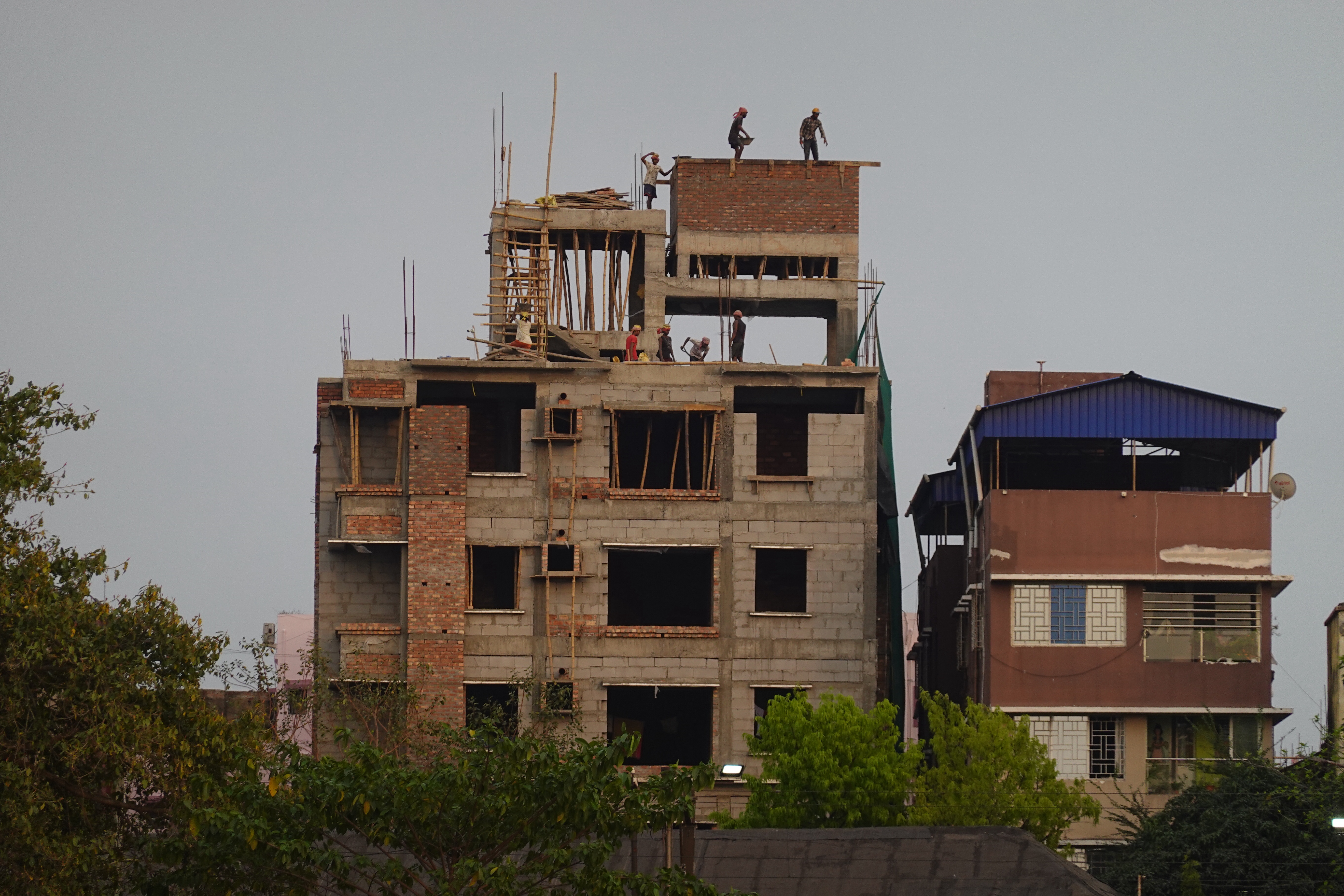
So it turns out that rerouting a pair of flights to get to Kolkata without laying over in a Middle East hub endangered by a capricious war begun by a modern day Dr. Strangelove results in our arriving at the unlikely hour of 4:00 AM. Ouch. But there was a kind of silver lining. The ride into town on a pre-dawn Sunday morning was like no Indian urban experience we’ve had: near empty roads that we moved along at what might have been the speed limit if there was one; wraith- like figures along the margins looming out of the gloom; half built apartments and the pillars of a soon to come elevated metro rise up – grey in grey – until they end in a Medusa coif of exposed rebar. And it was quiet…
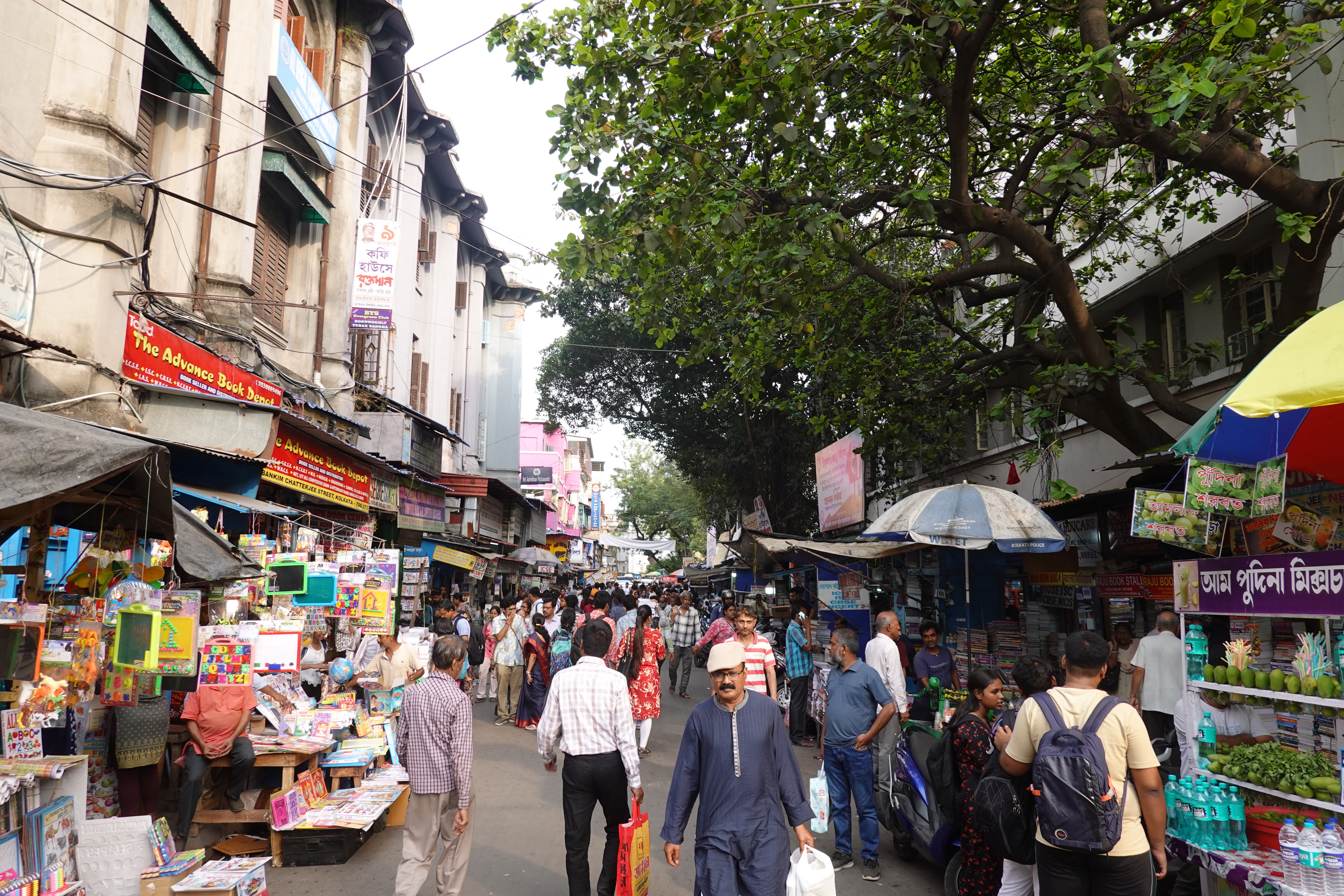
And then BANG! It’s Monday morning at 930, and we are in a car with our guide, and he is telling us that it is a bit early for Kolkatans to be getting into the swing of things, but the traffic is nuts and the noise is incredible and the chaos is everywhere and it feels like India again.
Now Kolkata, said our educated and erudite and eloquent guide – a Bengal booster if there ever was one – is a bit of a lost child when it comes to tourism in India. The capital of British India for over 200 years – until the Brits up and moved it to Delhi in 1911 – Kolkata went from being the political, mercantile and education centre of the place to being none of the above. It may be true, as our guide said, that what Bengal thinks today, the rest of India thinks tomorrow, but it may also be true, as our guide also told us, that Bengalis have no head for business. So, at least where we looked around, there are none of the well kept government buildings of Delhi or the sheen of money that one finds in Mumbai.
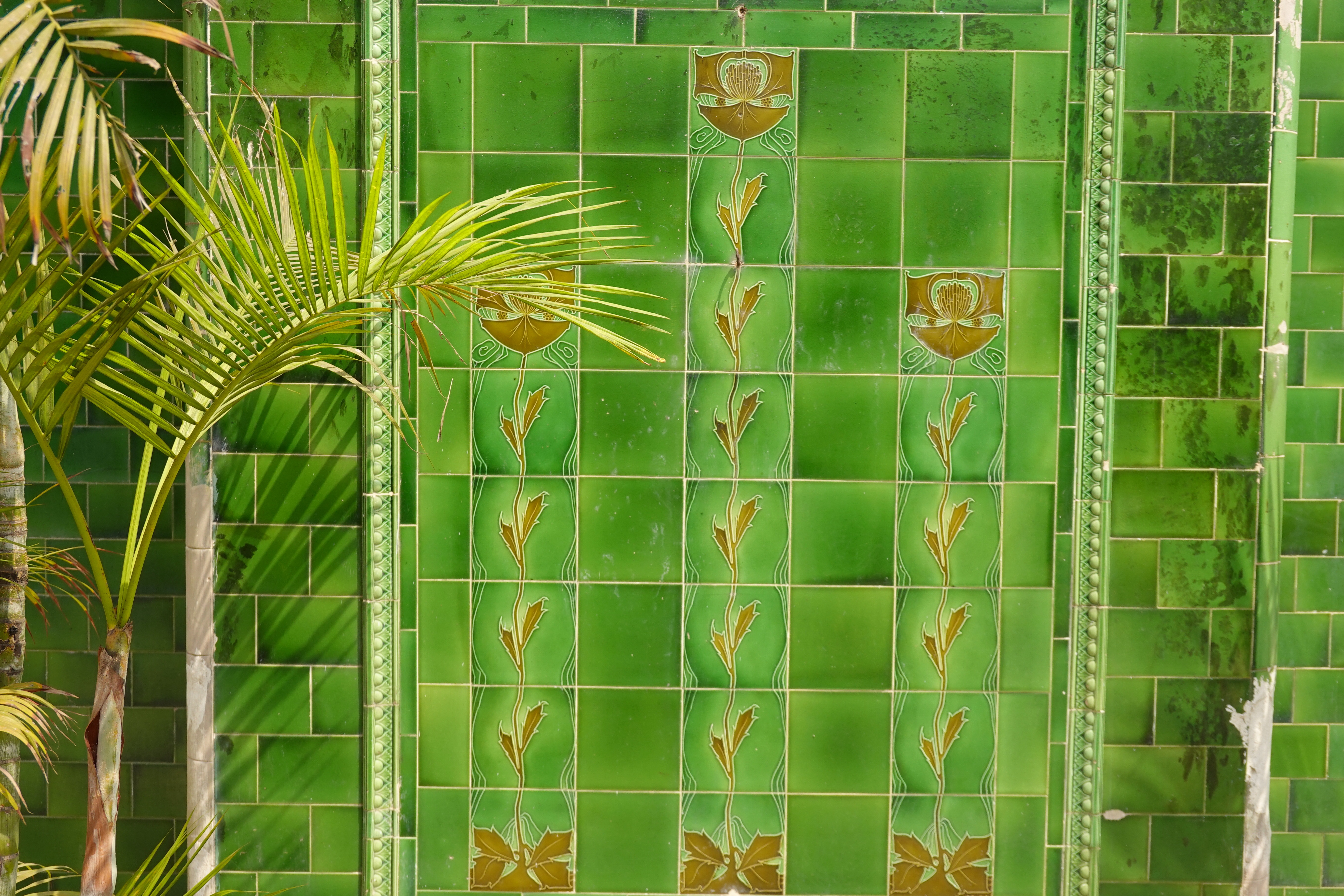
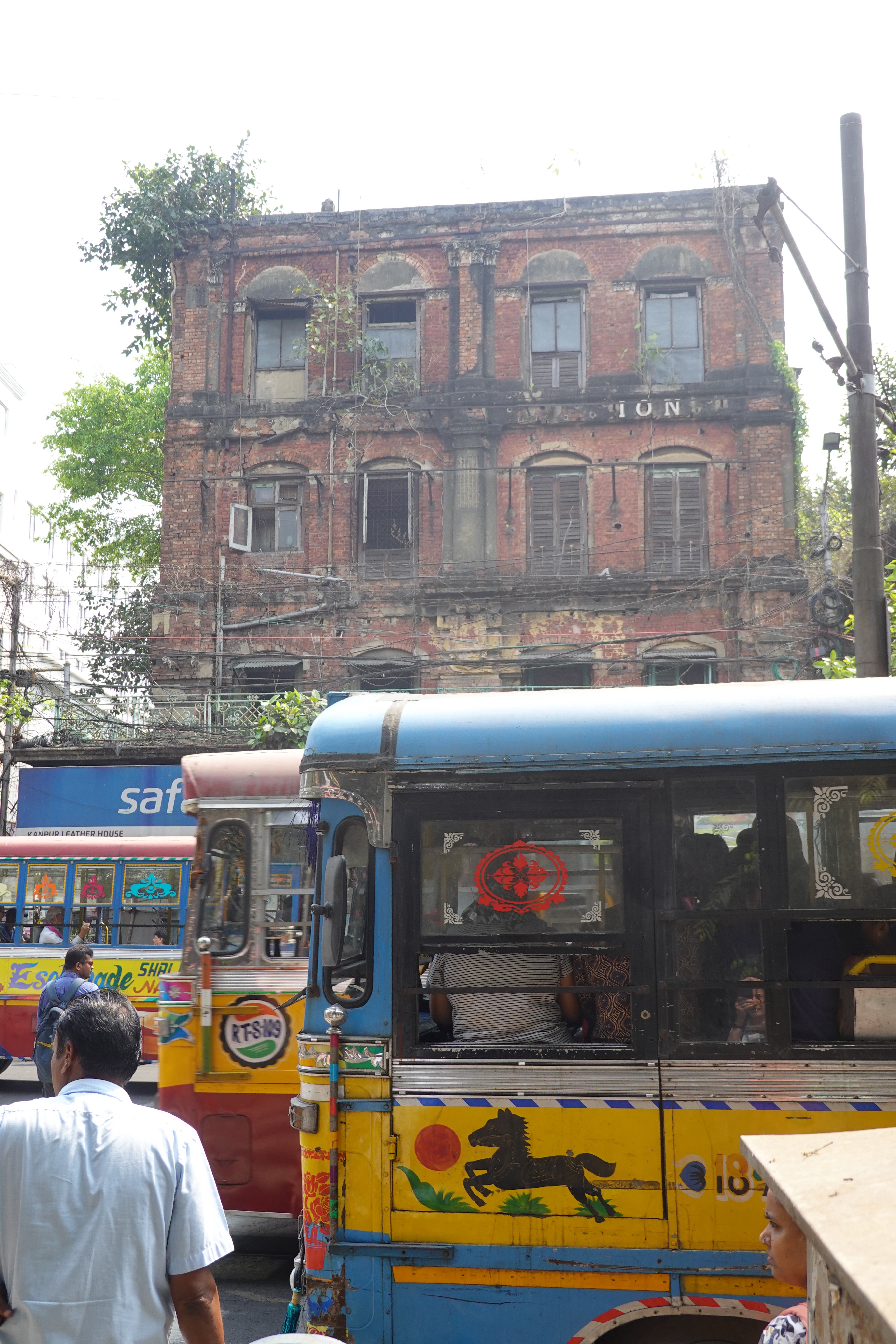
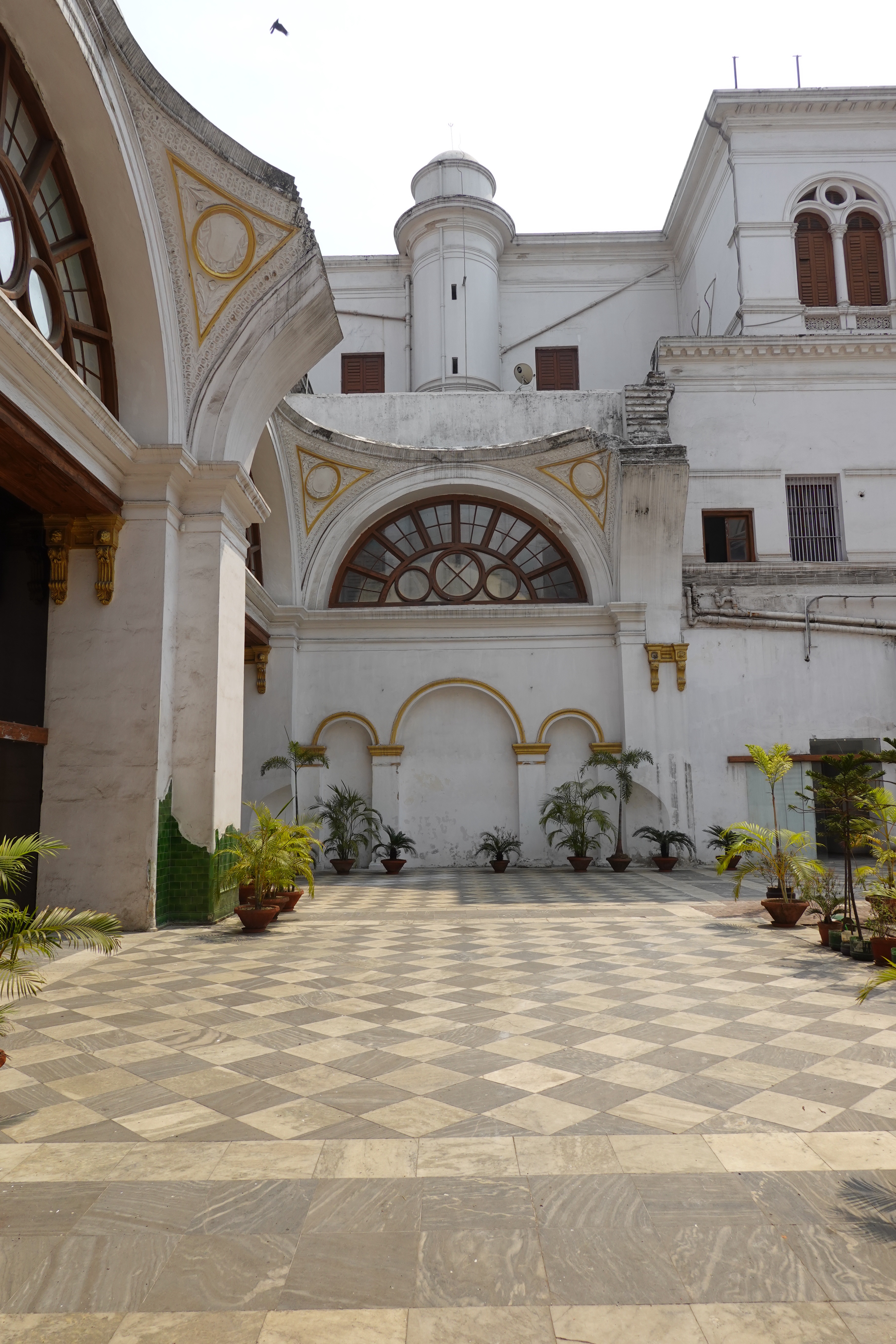
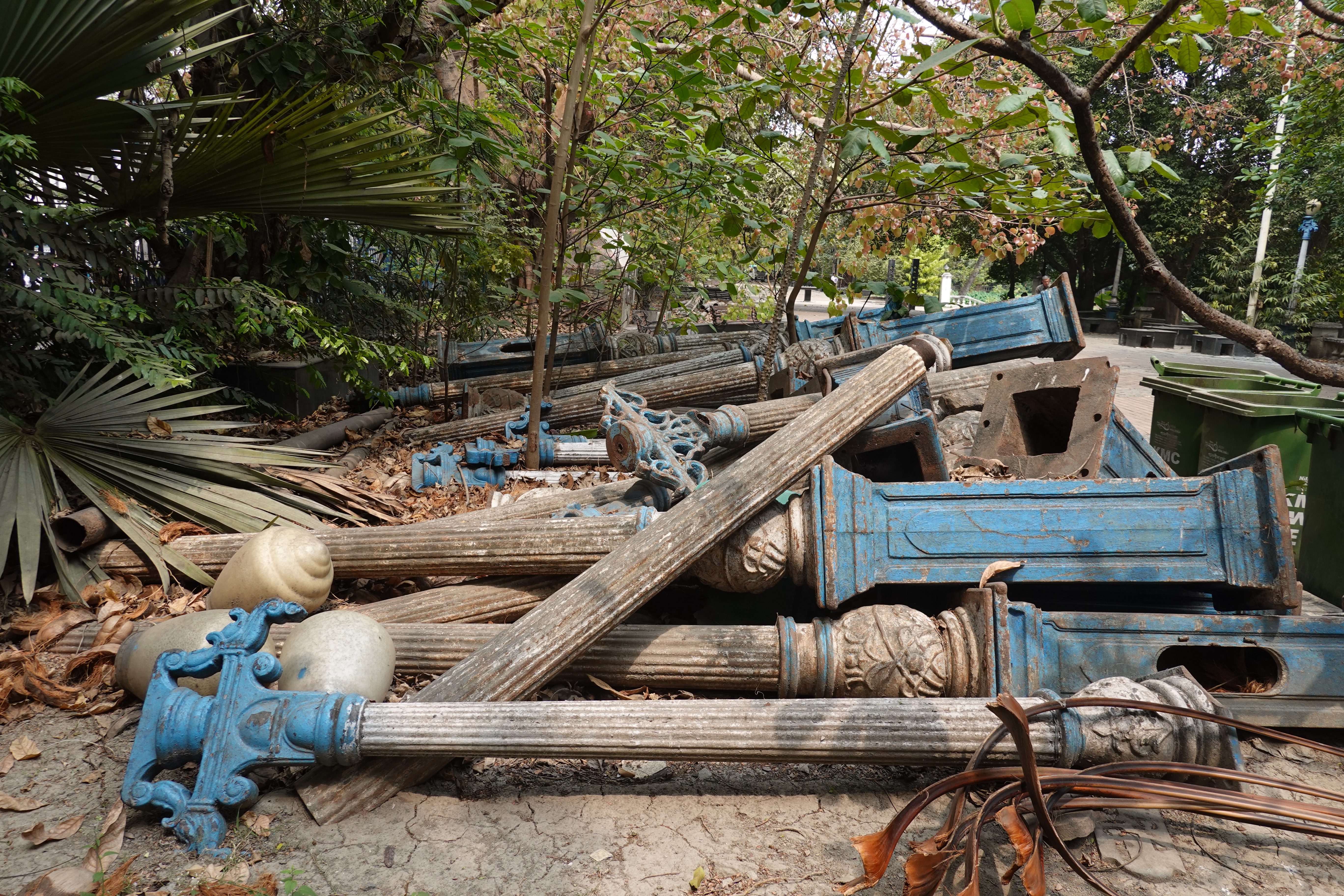
So first impressions. Well, among other places, we were taken around some of the former colonial parts of the city. The mercantile centre, including the rather fabulous Writers Building, where the government HQ was and the British clerks wrote in their ledgers all day long, was impressive but decaying. (Given that it fills an entire city square of land, it is inconceivable it was not named the Writers Block. But I digress.). In fact, many of what were once grand buildings around this area are in advanced states of disrepair, including the old reserve bank that once had an impressive vaulted ceiling but now has pillars tapering up to nothing but daylight, despite retaining some beautiful tiles. It is too hard, and expensive, to maintain or restore them, says our guide, but it also suggests a place that has passed or misplaced its prime.
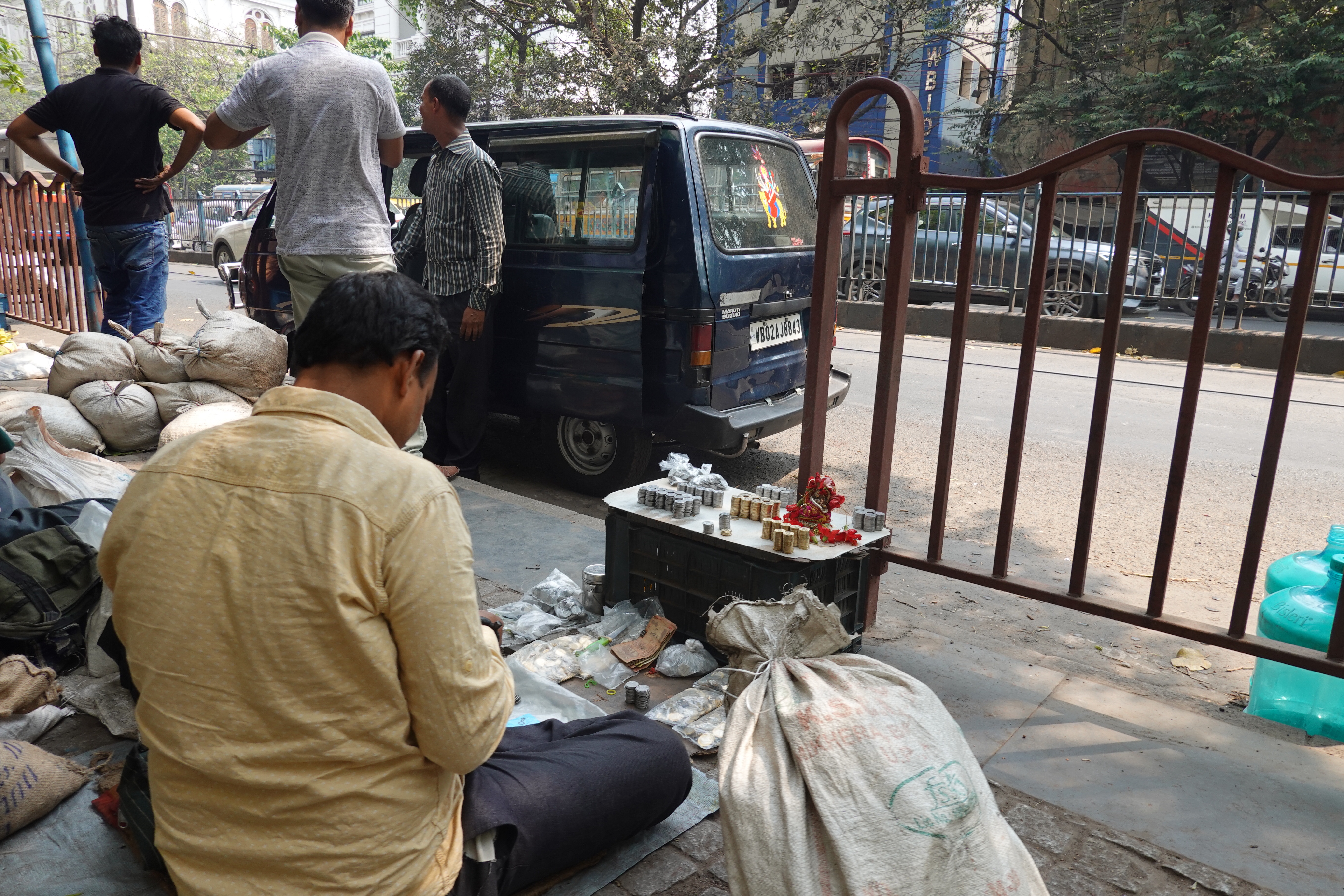
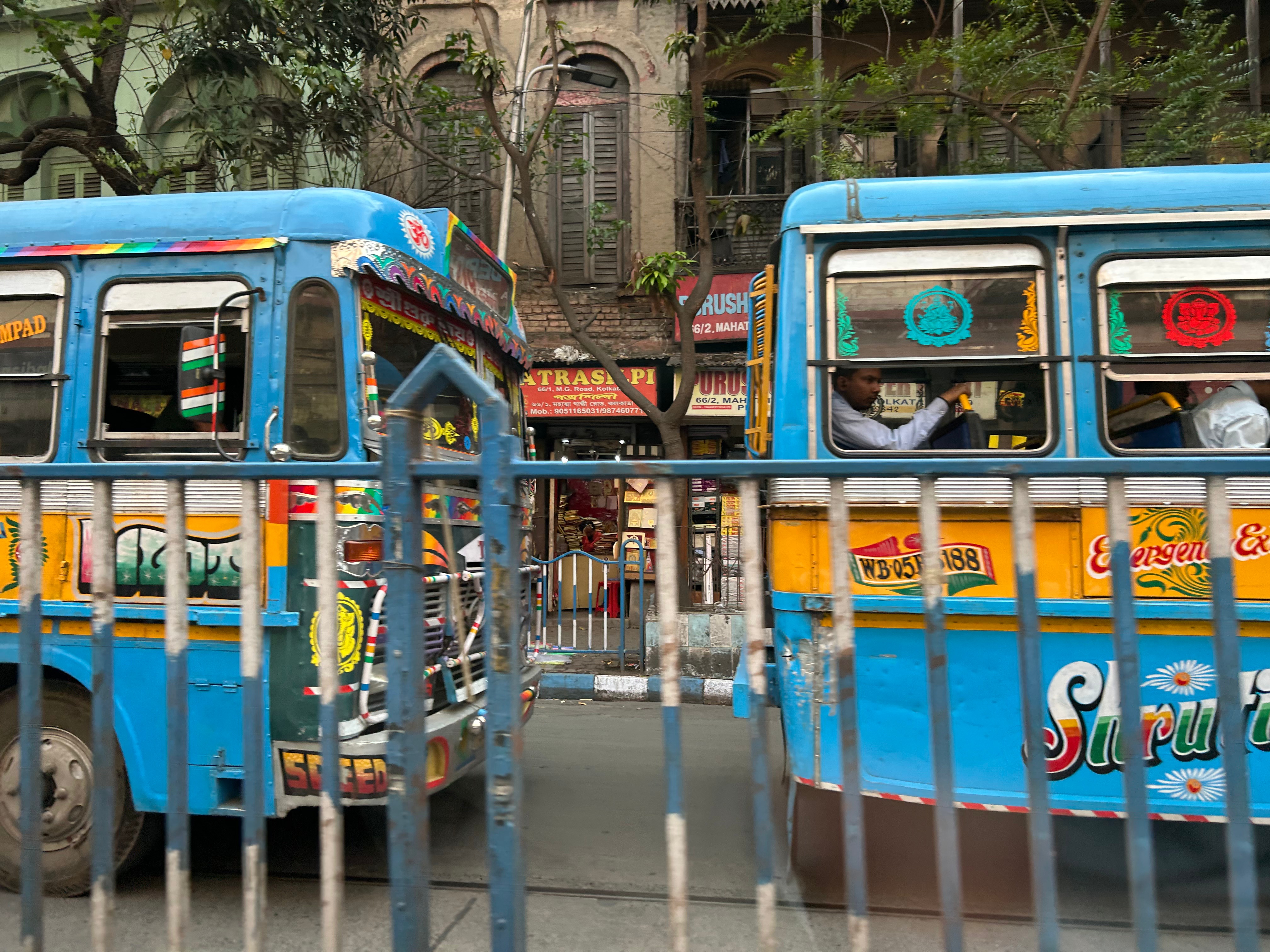
That said, no shortage of bustle – sidewalks full, the usual tiny shopfronts with customers checking in. We found two types of micro business we had not seen before, among the usual guys selling left front tires and cases for old Galaxy phones – a man whose business was taking bills from the bus conductors in exchange for big piles of coins for the next trip, and a guy who took in ripped or soiled banknotes in exchange for new notes. The busses seemed full and in the evening the sidewalks and roads were interchangeable with crowds of post dusk Muslims out to break their fasts.
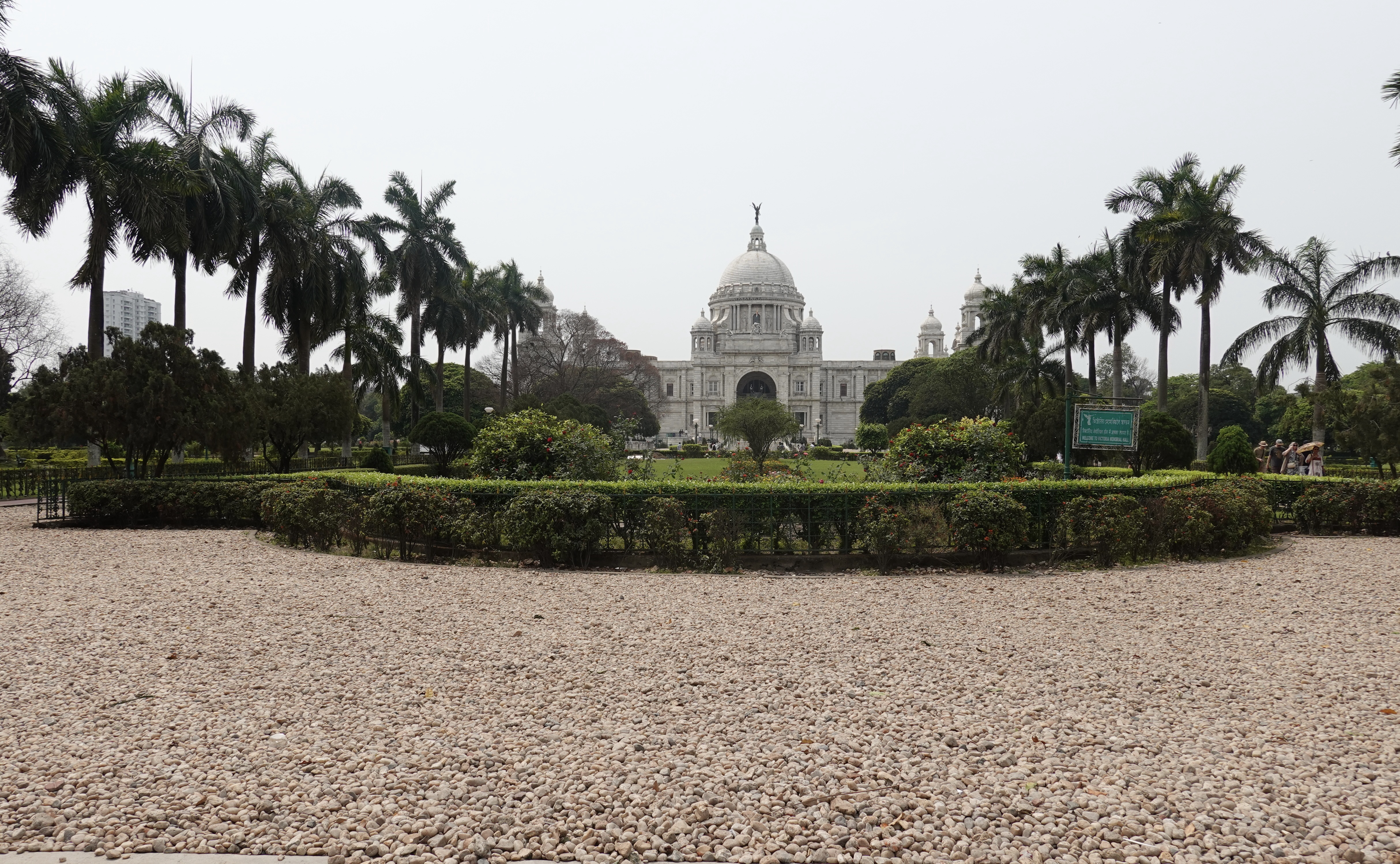
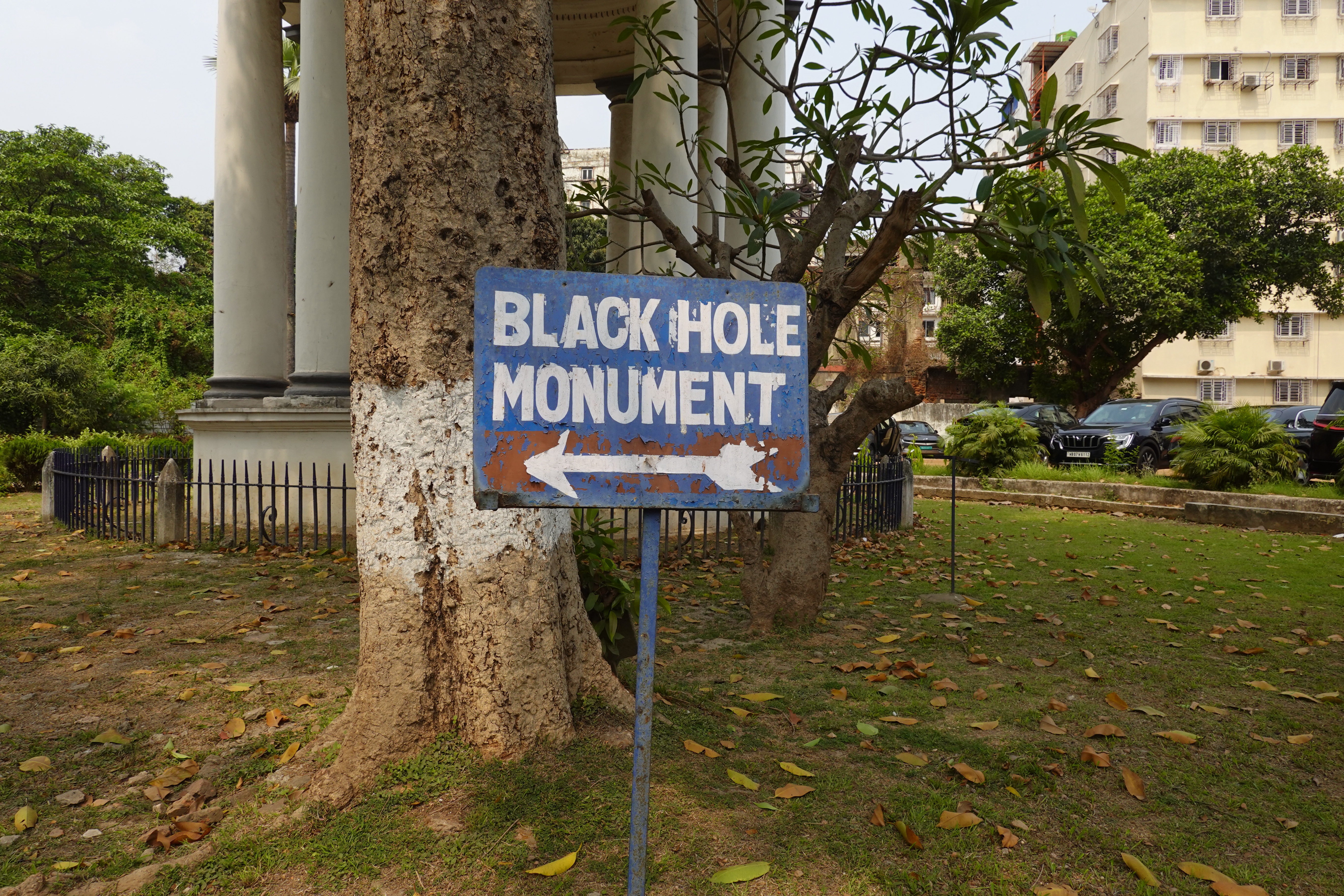
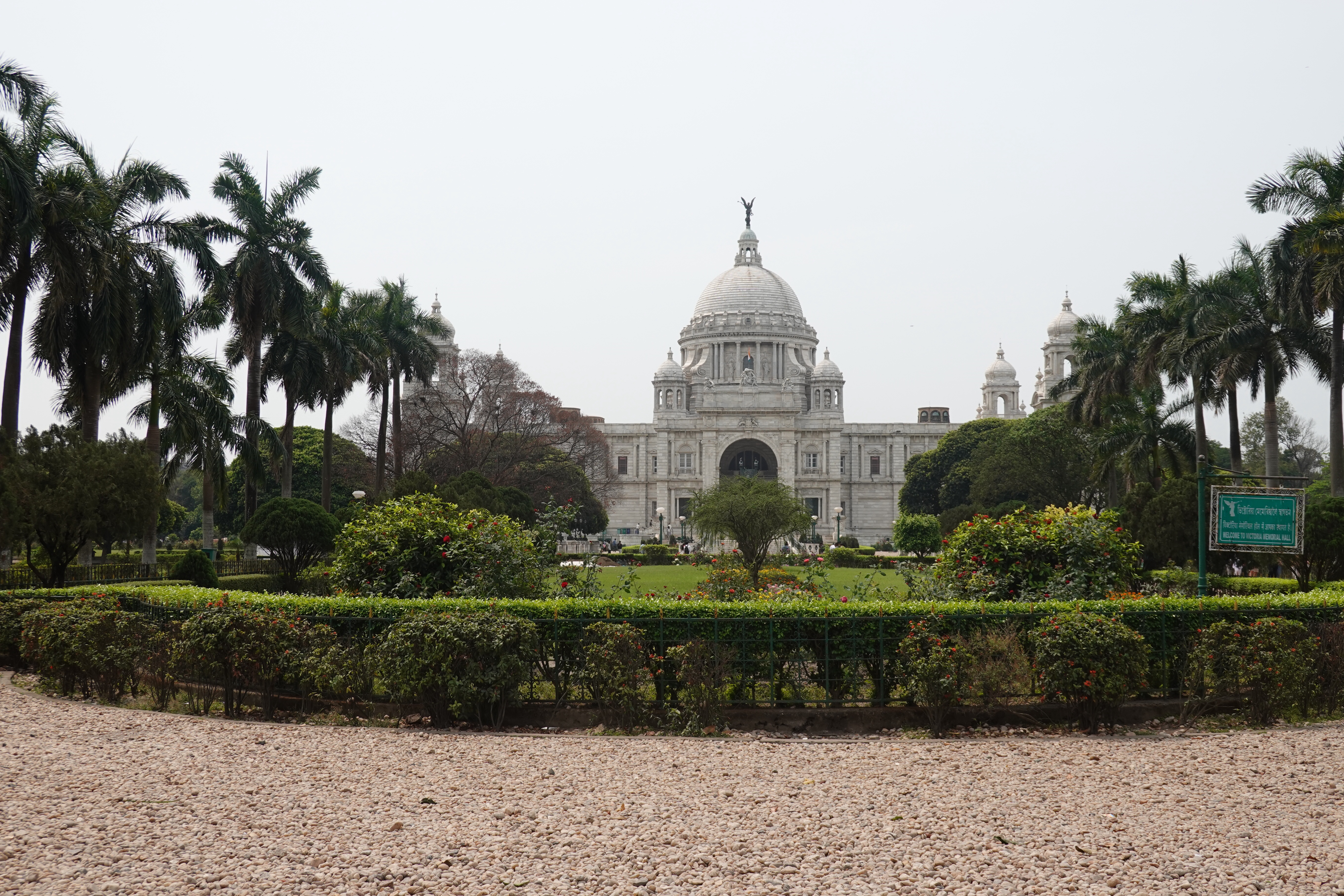
Last first impression, pointed out by our guide: Bengal, and its capital Kolkata, was colonized by a company and then a country for 250 years but has largely left intact all the monuments raised by the Brits to themselves. Even the monument to the so-called black hole of Calcutta – an event not so much made up as energetically embellished to whip up support in England for a military intervention to subjugate the Bengali Niwab who had had the temerity to wonder why a foreign company that had been given trading rights needed to build a fort in his territory – remains. As does the Victoria Monument, a rather beautiful Taj Mahal influenced heap of marble erected at great expense in honour of someone who never actually bothered to visit. Perhaps it is enough that, at least since independence in 1947, India at least gets to write its own history.
 bengalbhutanblog.ca
Leave a comment