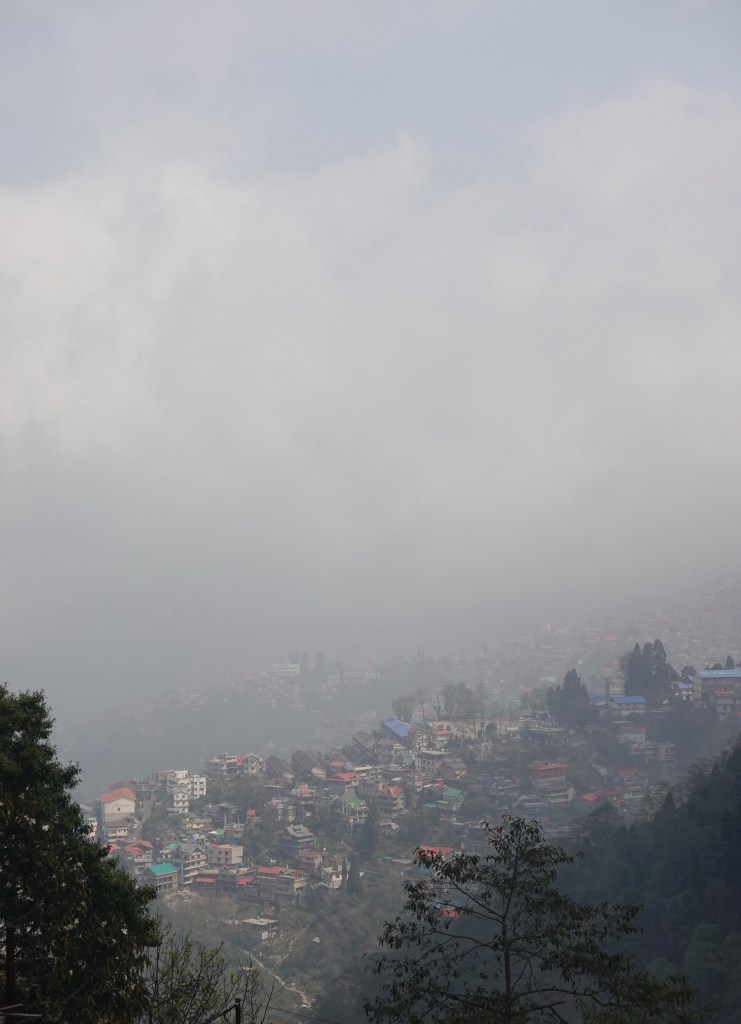
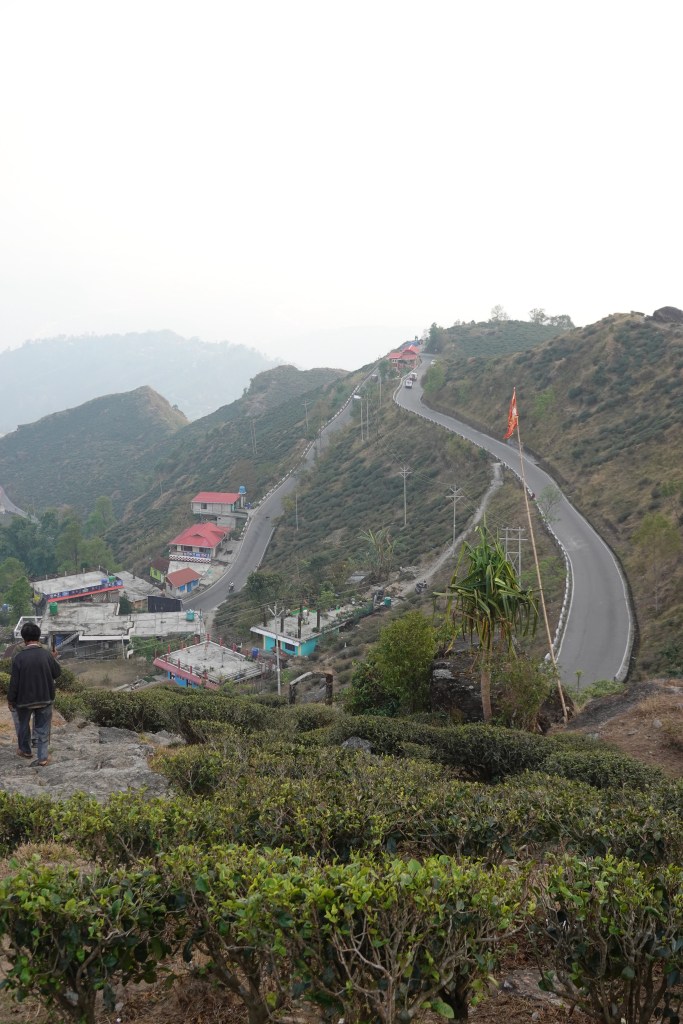
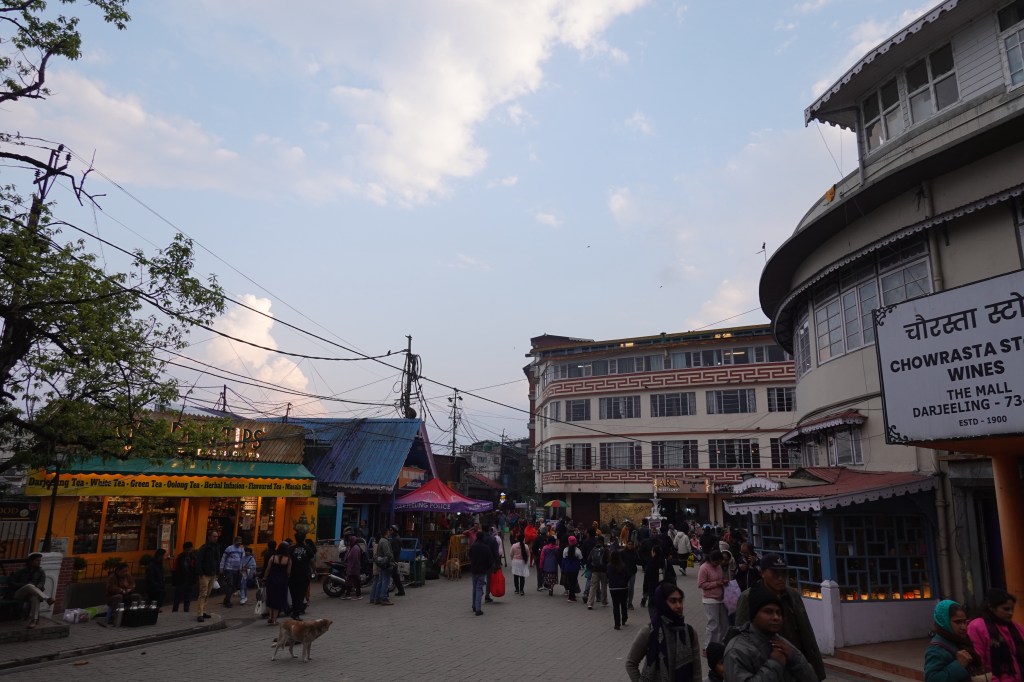
Well we managed to find our way from Kolkata, down in southern Bengal, up to Darjeeling, in the Himalayan foothills to the north. Simple enough – a one hour flight substituted for the early morning train, on which we were booked, after it became a late afternoon train owing to philosophical differences between the Indian National Railway and its timetable. Then a drive that started on some straight flat roads at about 400 feet above sea level until we yanked hard right and our guide said that was it for straightaways and we climbed 6500 feet in 45 kilometers of nonstop hairpins in a little over 2 hours. And then there we were, in a bustling bursting bouillabaisse of a place perched precariously on the spine of a very steep ridge.
Fun fact about Darjeeling: despite its association with the English, it actually used to belong to someone else. Imagine. Seems it used to be part of the Kingdom of Sikkim, as was. The English discovered it (no one else knew about it except the entire population of Sikkim and everyone else who lived thereabouts) when they were hunting about for some cooler places to hang out in the summer, it not having occurred to them not to wear three piece woolen suits and long dresses with crinolines in the Kolkata summers. Anyhow, the King was apparently pursuaded by the Brits to hand over the area as a gift to the East India Company, the Brits then annexed quite a lot of the surrounding area to safeguard the gift, and before you could say Bob’s your uncle the place was a British hill town.
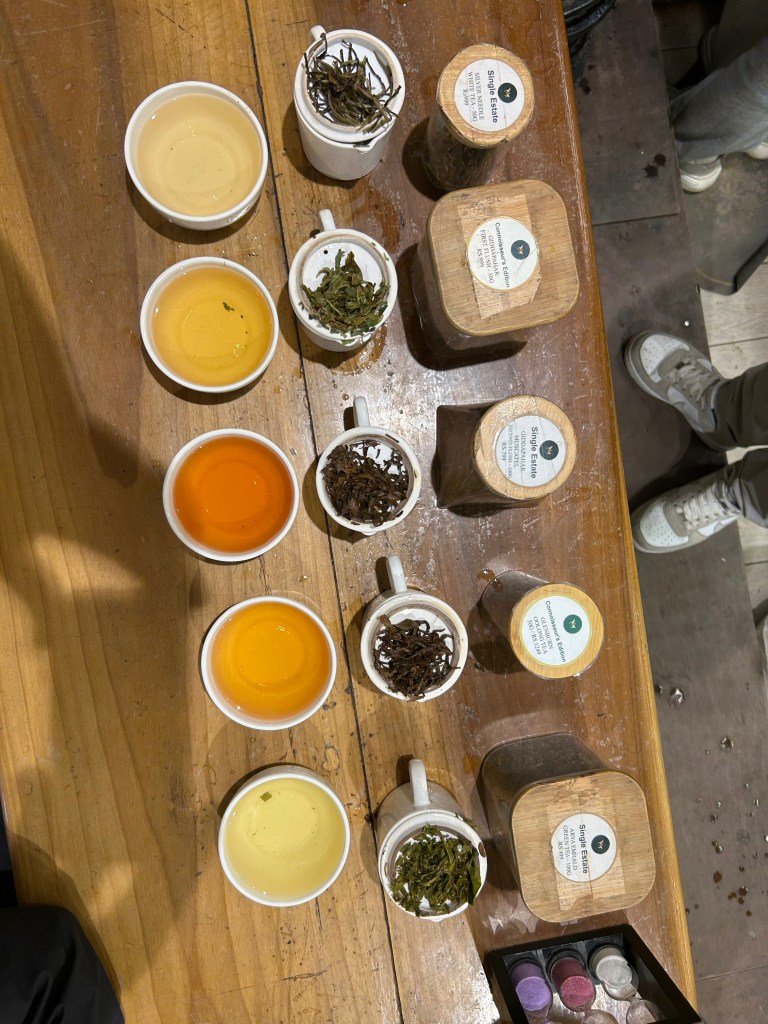
Darjeeling is the home of English tea growing, owing its start to a Brit who smuggled seeds out of China and began cultivating them here in the mid 1800s. And tea is all around. Our guide has patiently schooled us – after pointing out that we were not even at grade one one the subject – about the many stages of getting tea from the plant to the pot. He was born on a tea plantation and has lived in Darjeeling his whole life. We are working hard at it. We are also being schooled on the different kinds and colours and tastes – only of Darjeeling tea of course – and had a tasting that took us through the intricacies of first flush, second flush, oolong and the like.
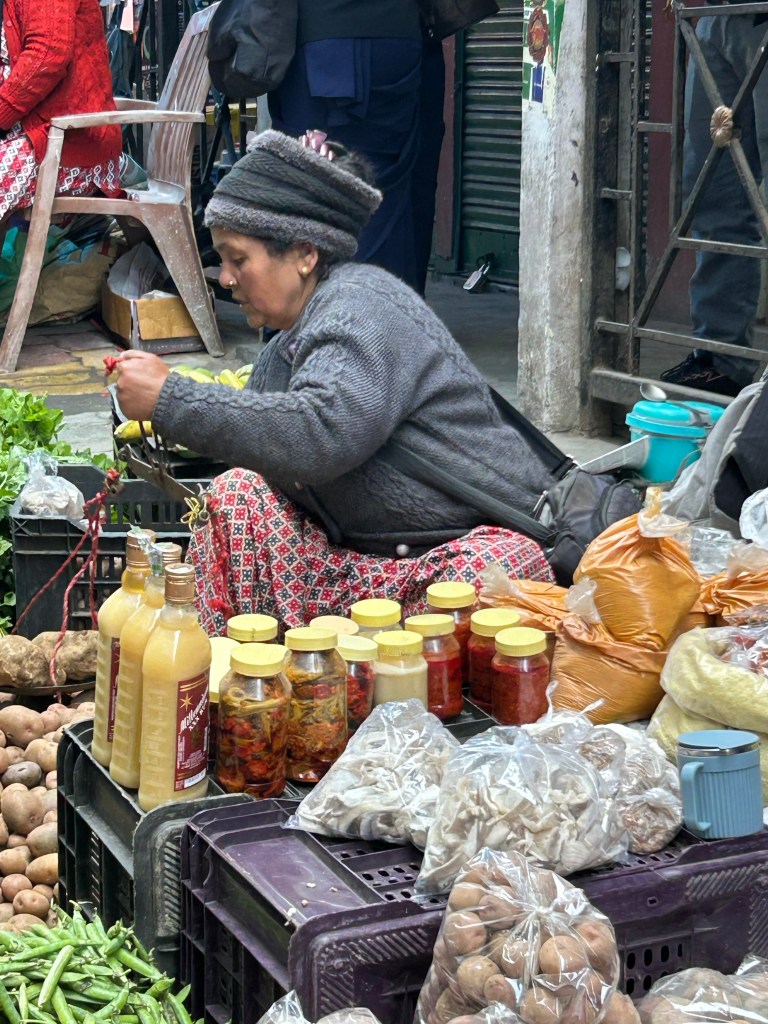
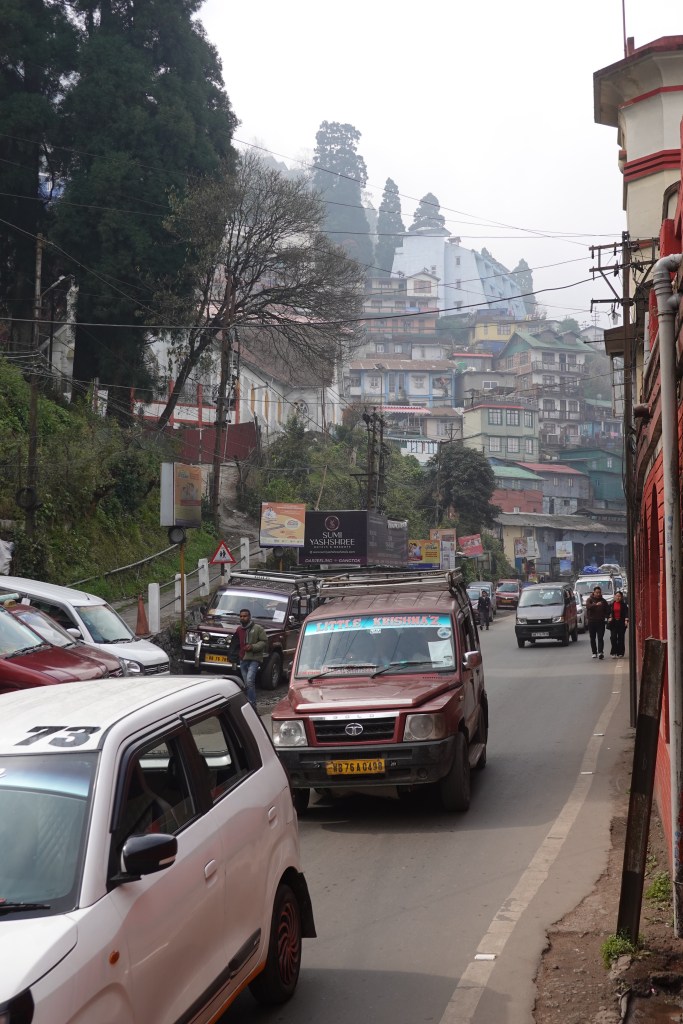
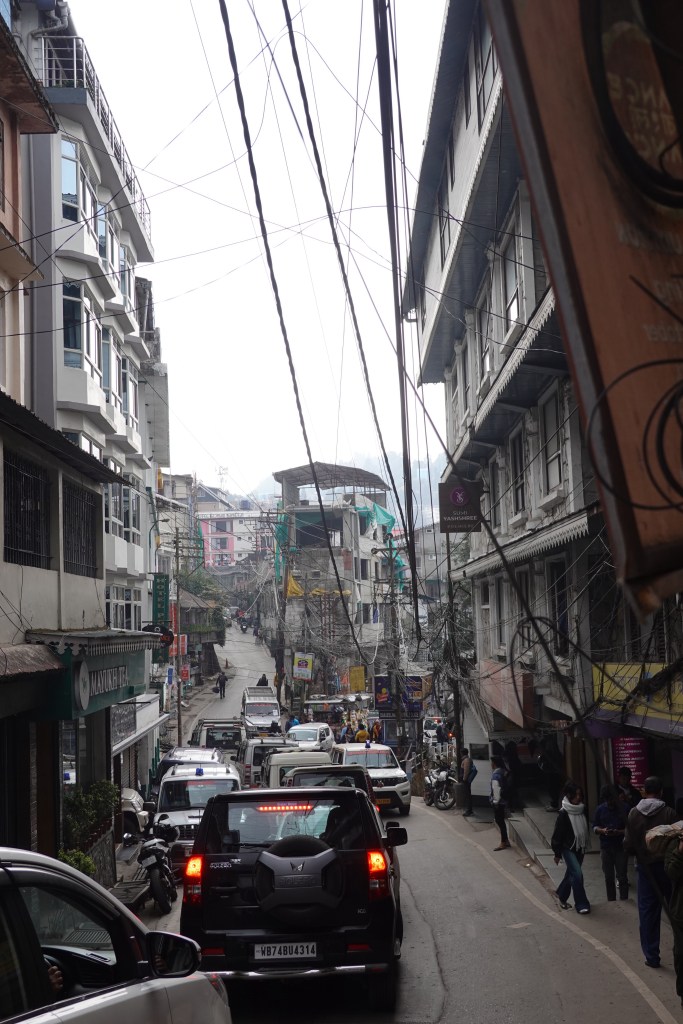
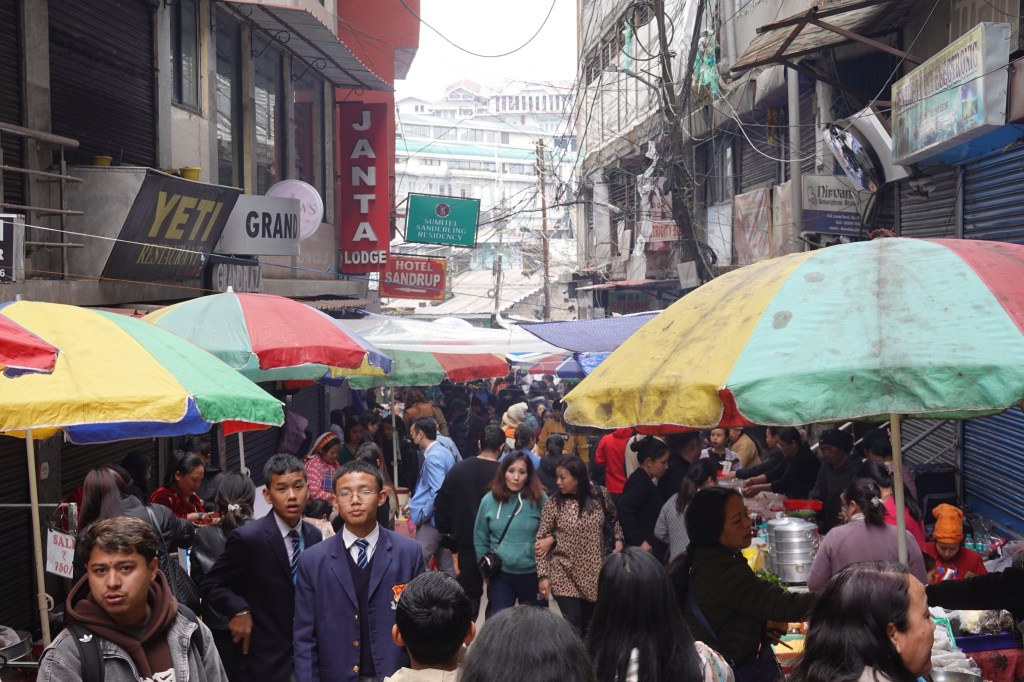
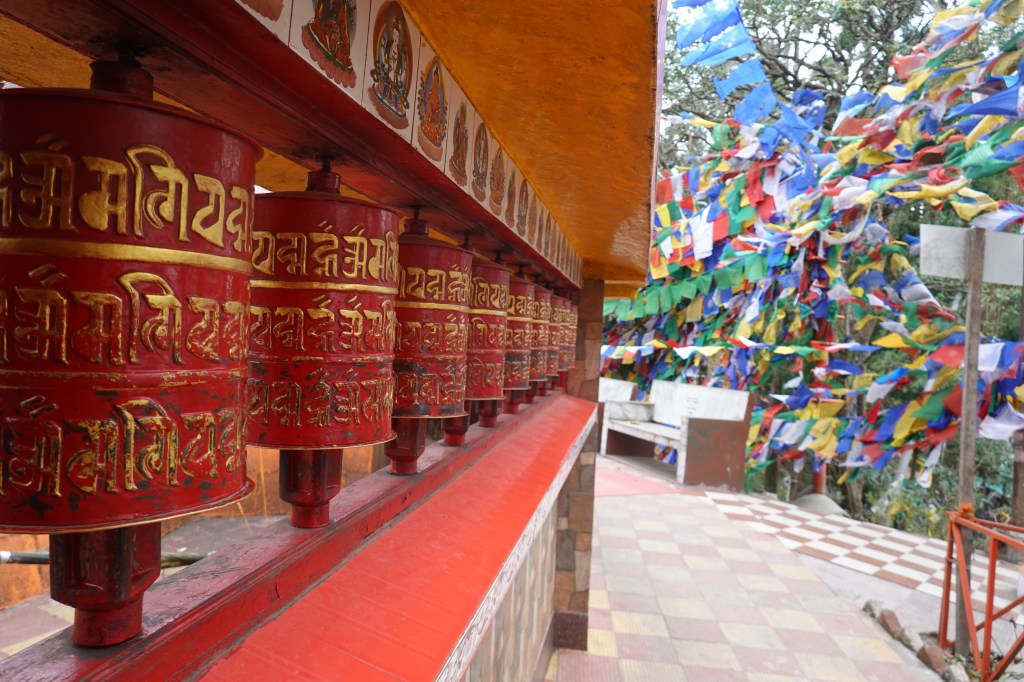
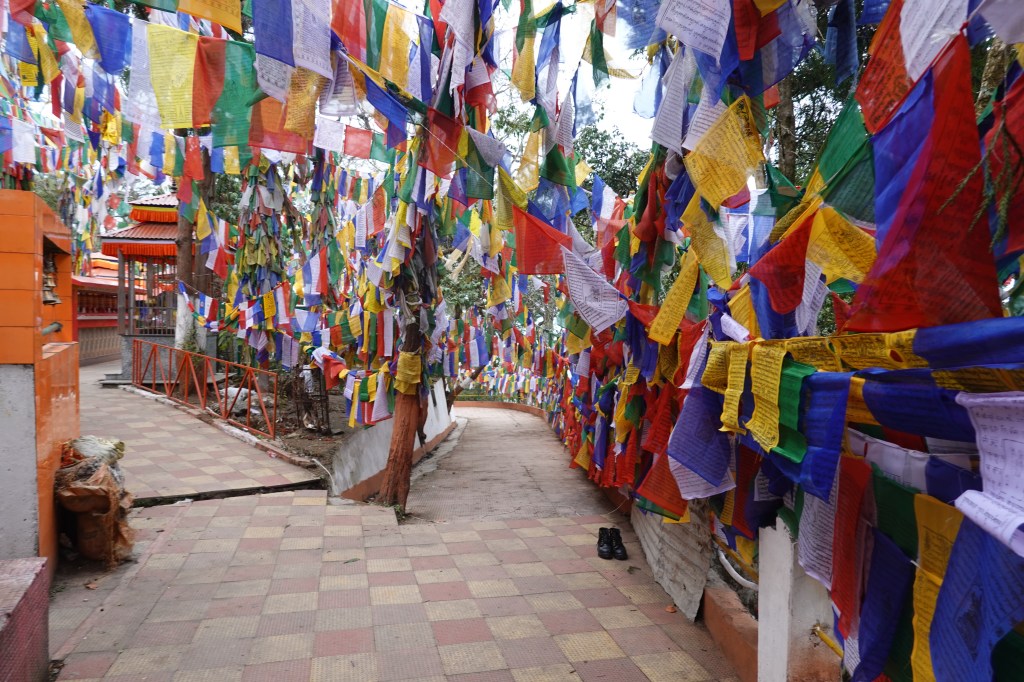
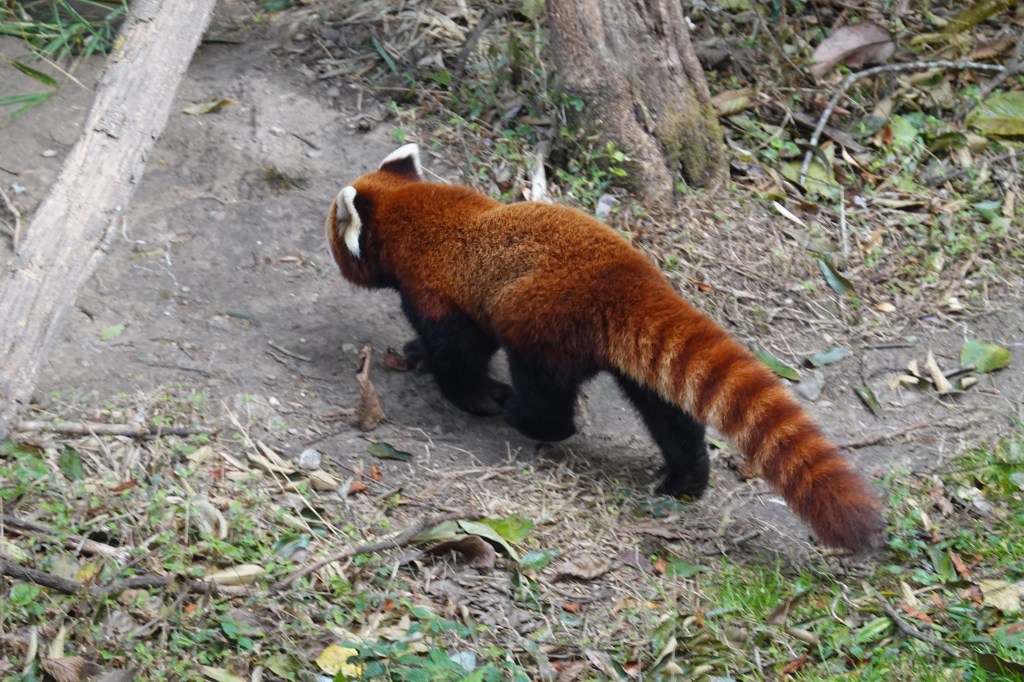
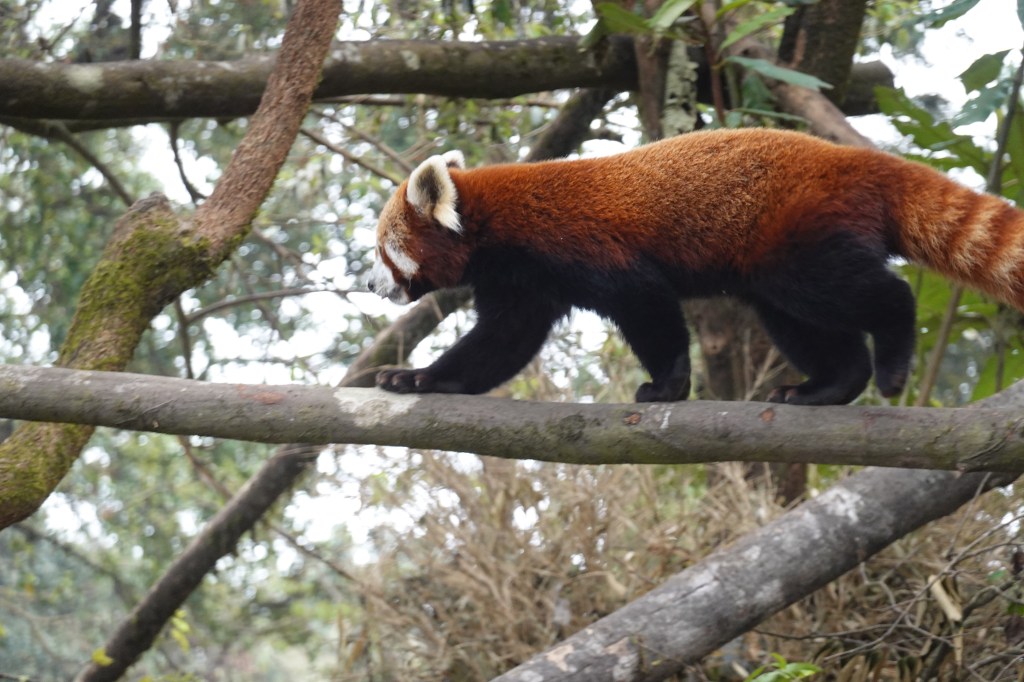
Anyhow, Darjeeling is a bit cramped, the few roads are narrow and steep and crowded, and the traffic is crazy, but they have a street market where you can get fresh momos that are rolled, filled, crimped and steamed while you watch, and a summit-top shrine that features both Hindu and Muslim priests and icons in the same place, and a zoo that features the most self aware red pandas as part of a local breeding and repopulation program. Who cares about the traffic.
 bengalbhutanblog.ca
Leave a comment