Well, from Sikkim we headed south to West Bengal in Northeast India. Try saying that three times fast without becoming disoriented. We were headed to Kalimpong, our last stop in this part of the Himalayan foothills. For reasons known only to Glen Campbell, I am condemned to humming the tune to Galveston while substituting the name Kalimpong instead, and I worry that this augurs poorly for our visit.
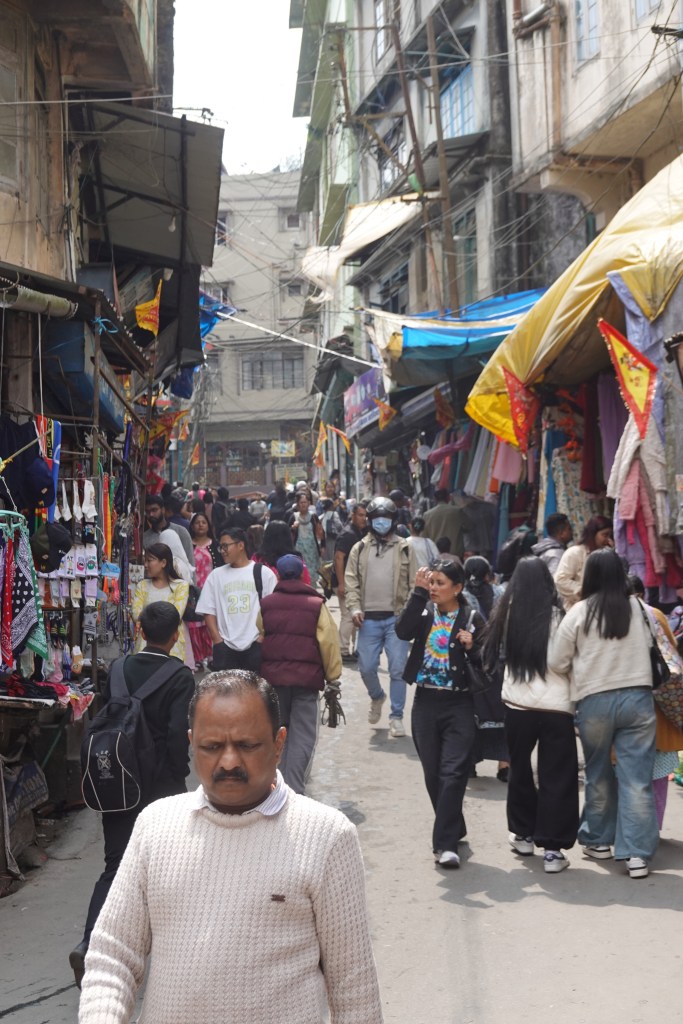
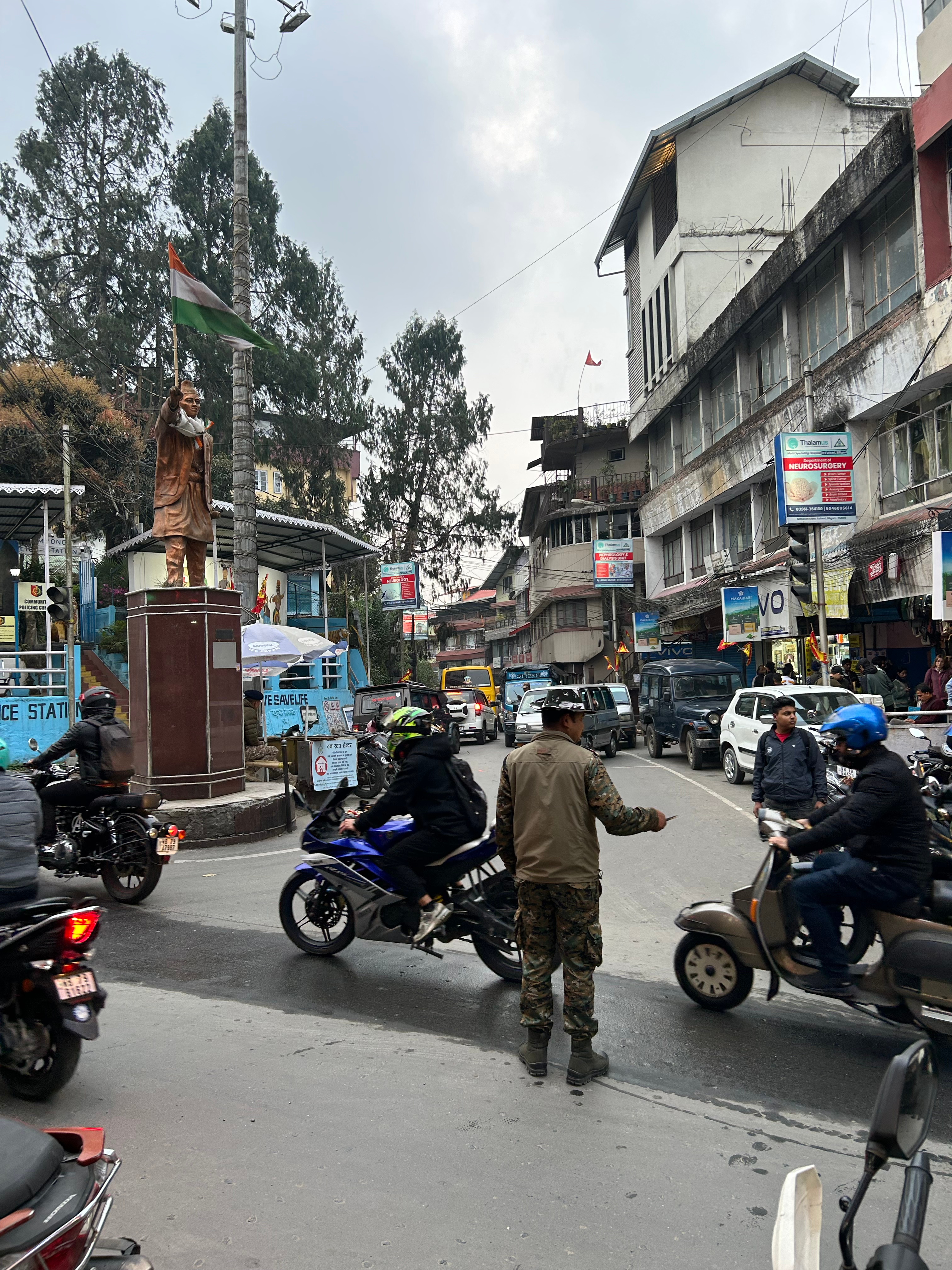
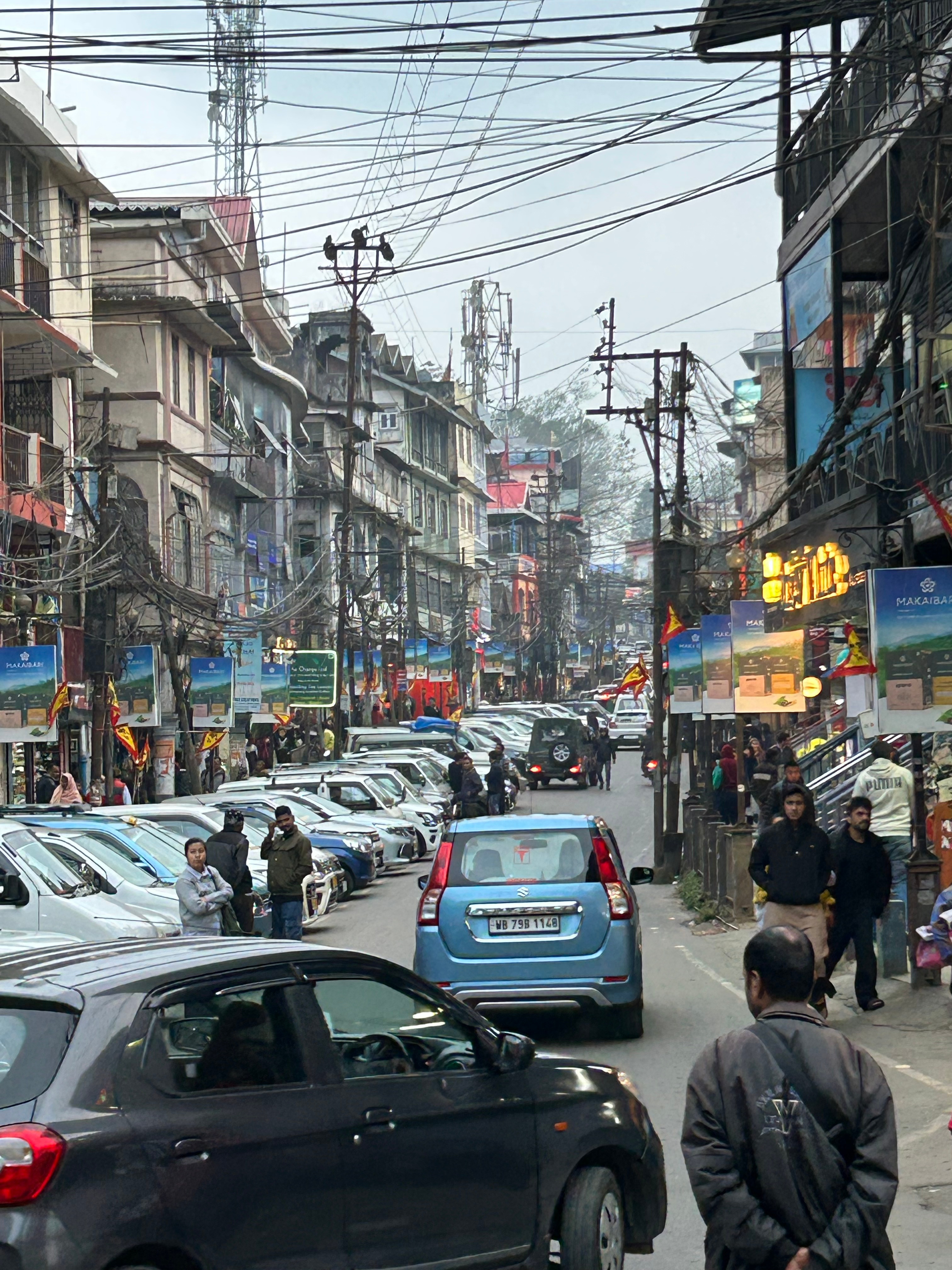
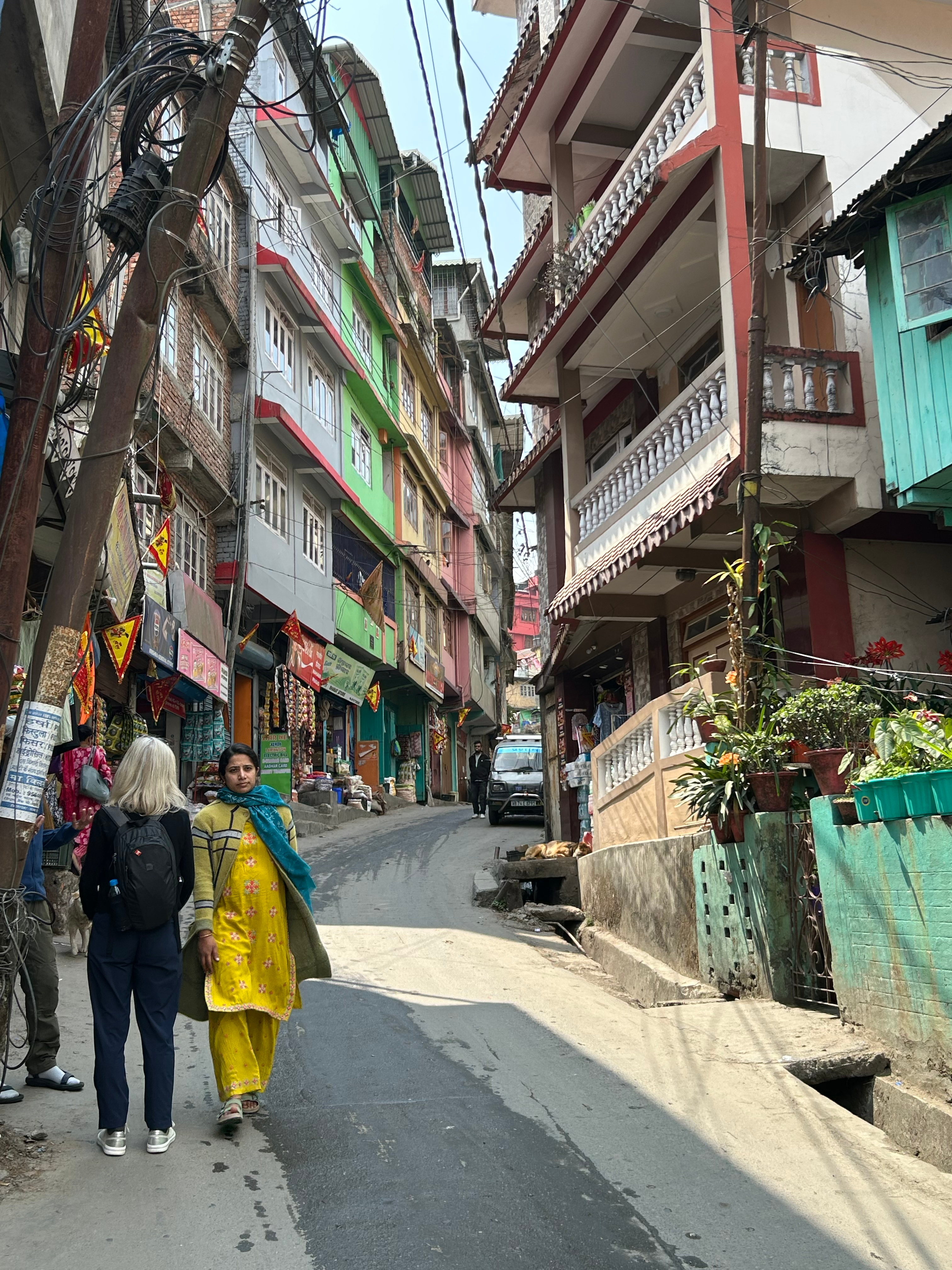
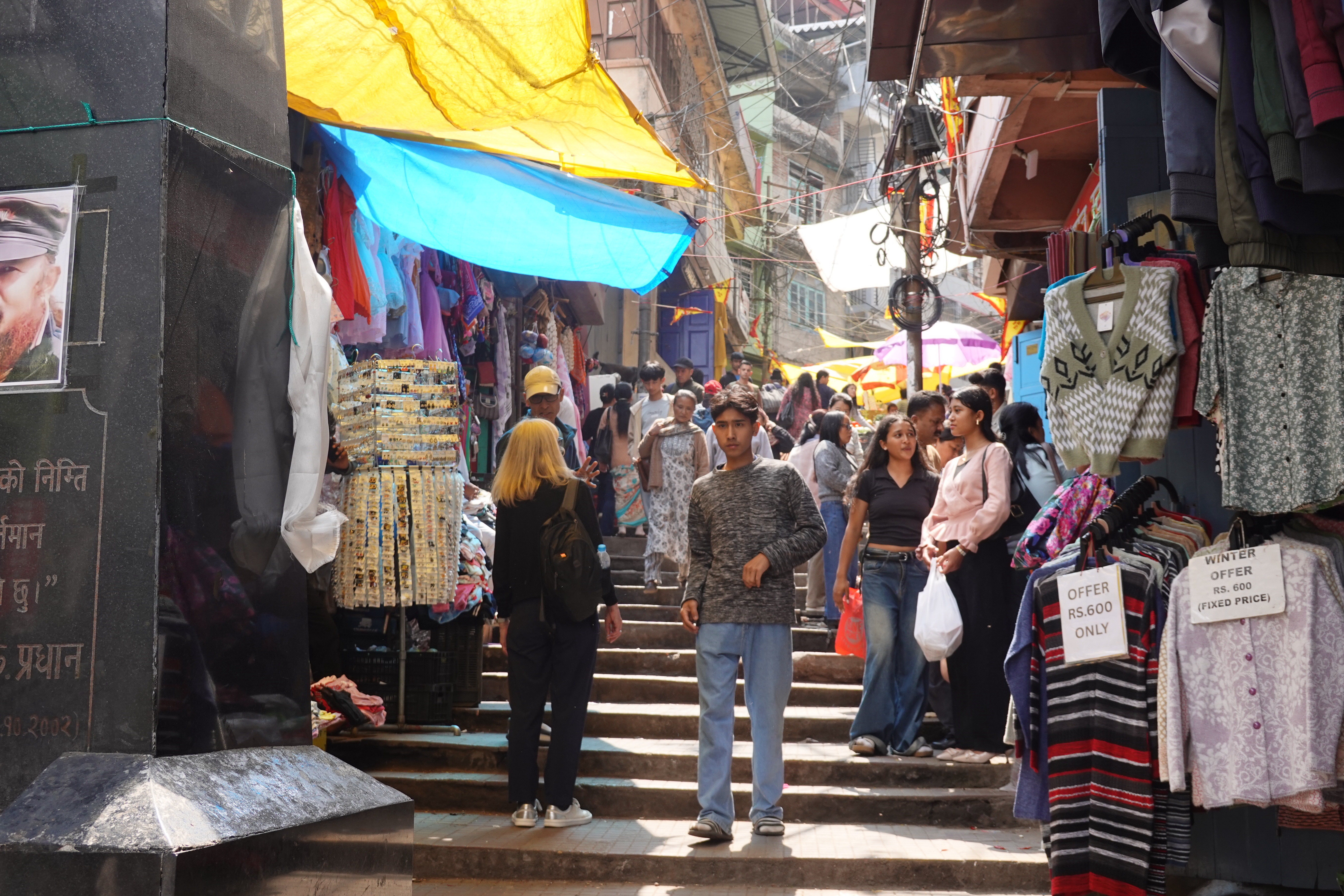
But I needn’t have worried. Kalimpong is a grittier take on a hill town than we have seen so far, but is not without its charms. It has a few sidewalks, which makes it relatively easy for the western tourist to go out for a walk looking for bottled water and a packet of plain crisps, though without success on the crisp front, as the closest thing to plain in any of the pocket-sized stores that were consulted was spicy prawn or one of the other hallucinogenetically conceived and chemically induced flavour combinations. Of course you need to keep an eye out for heaved pavers and steep stairways to the side that actually start halfway into the sidewalk and the occasional dangling electrical wire that may or may not be live. Everything is relative.
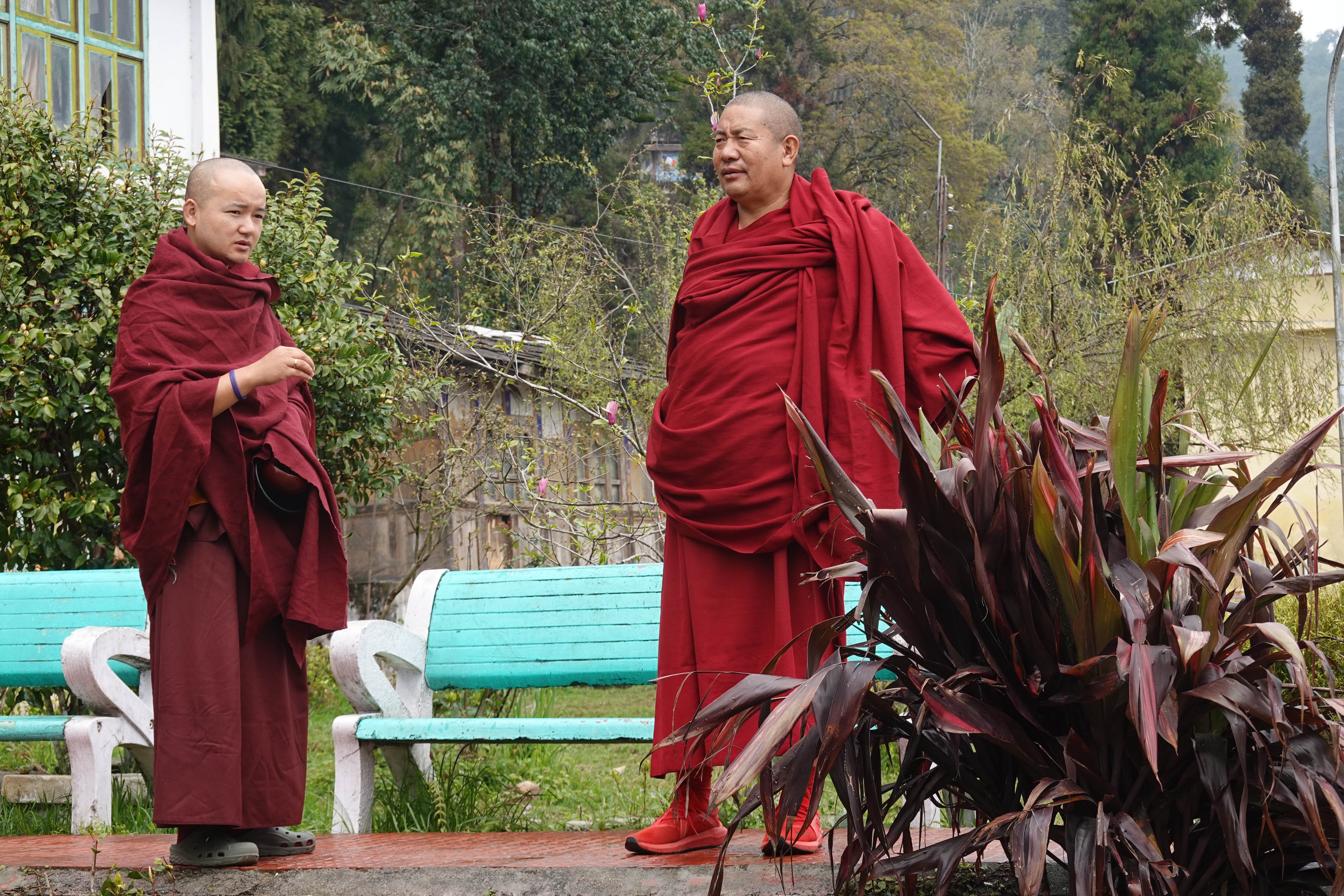
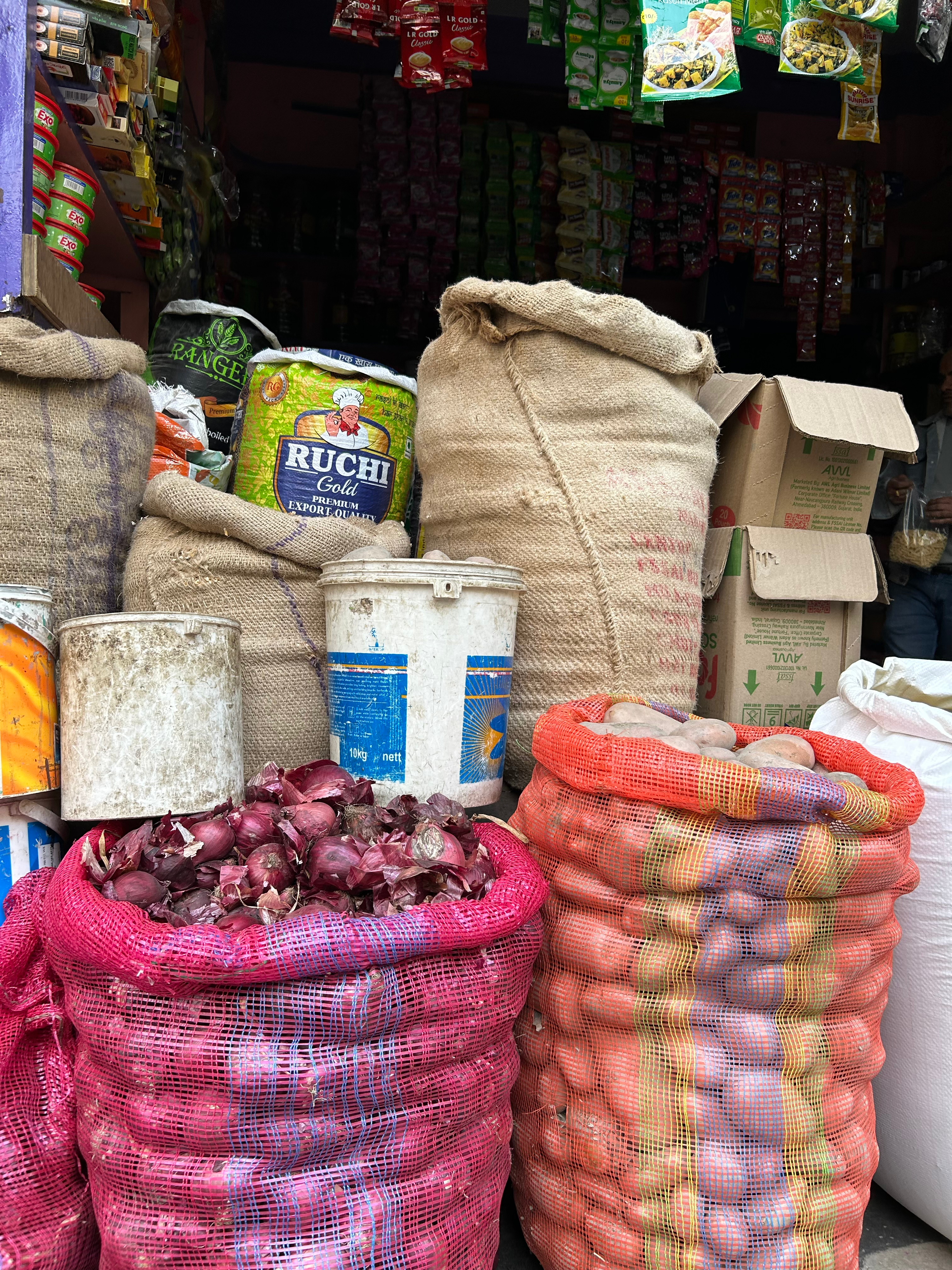
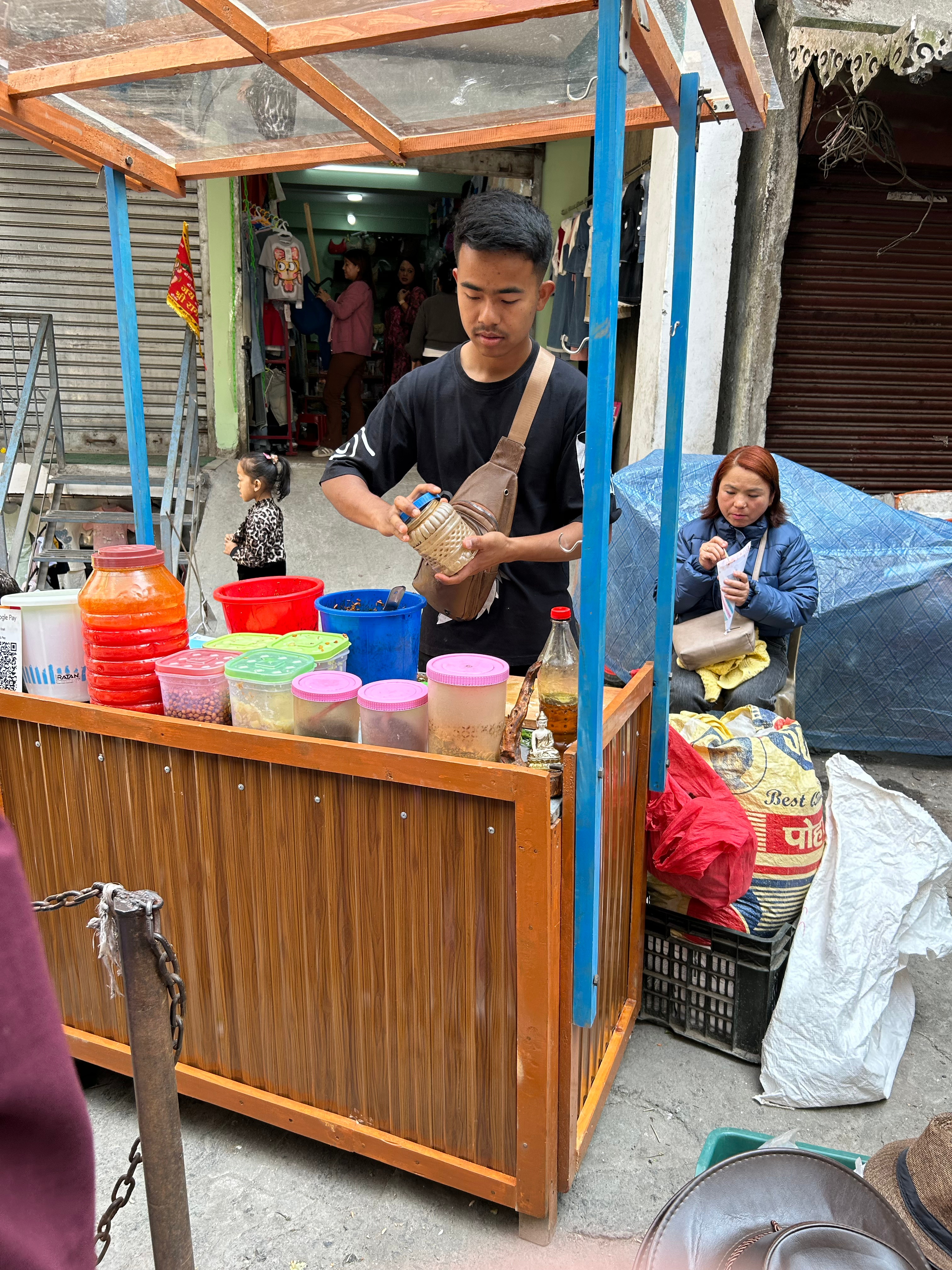
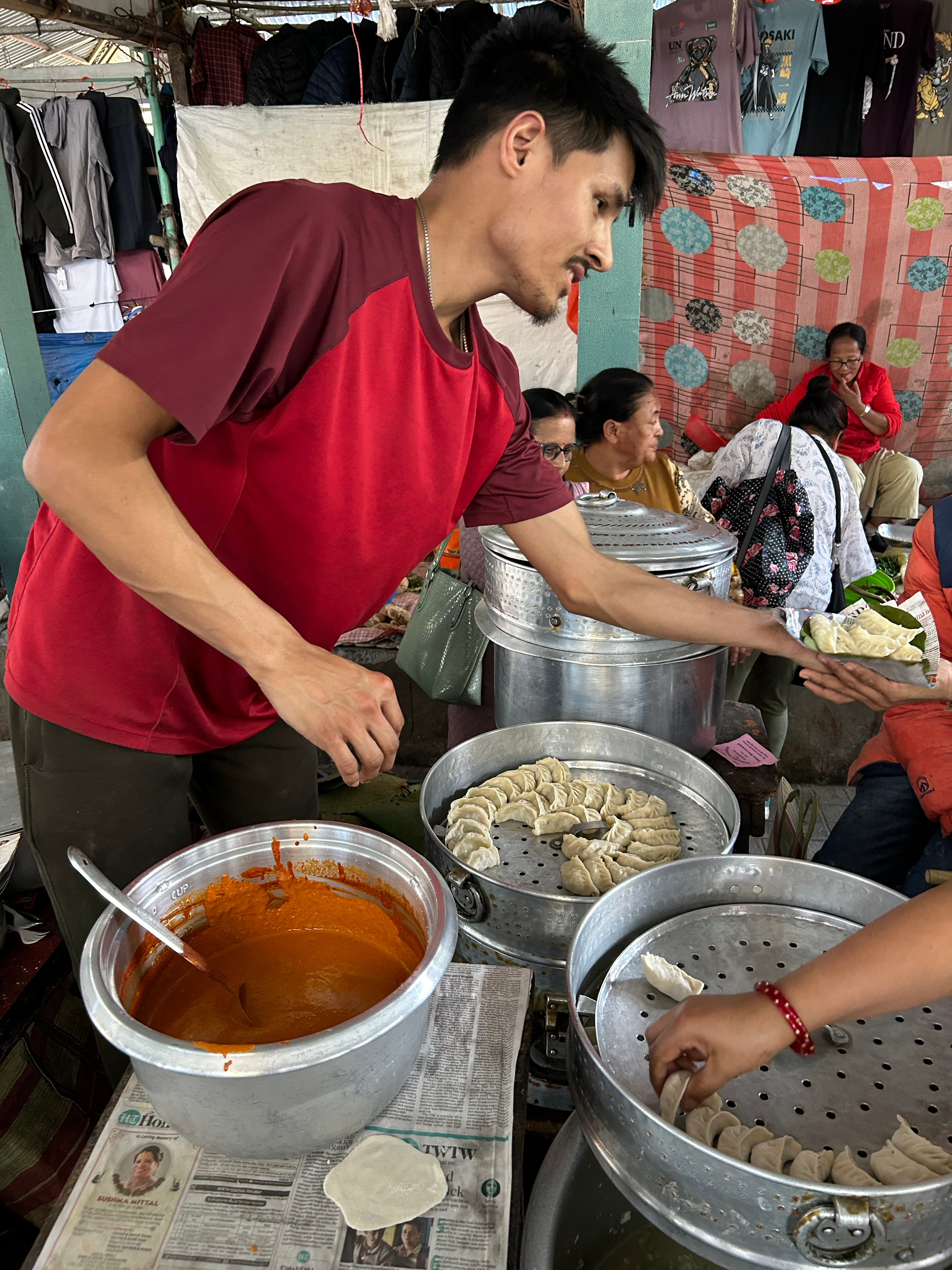
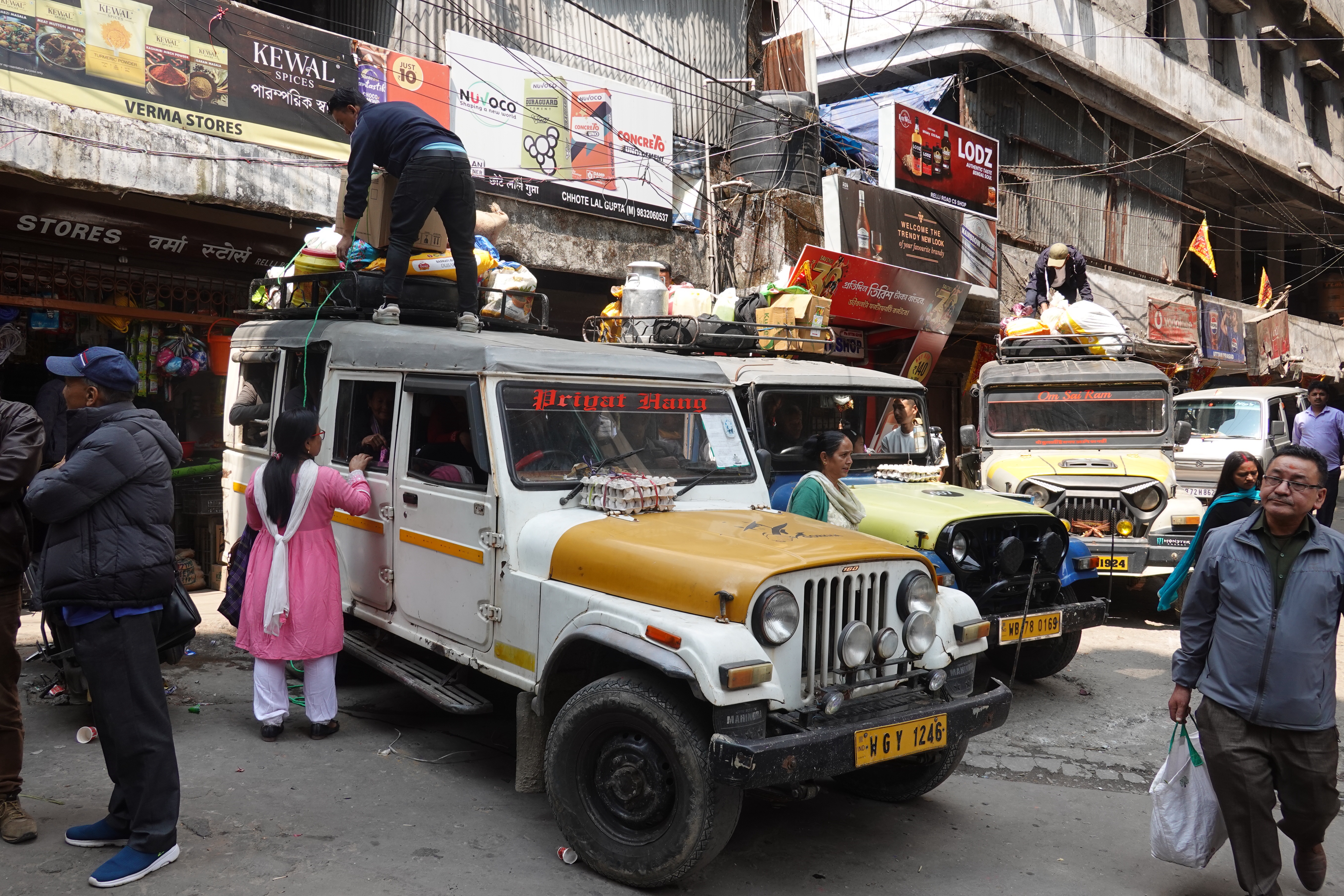
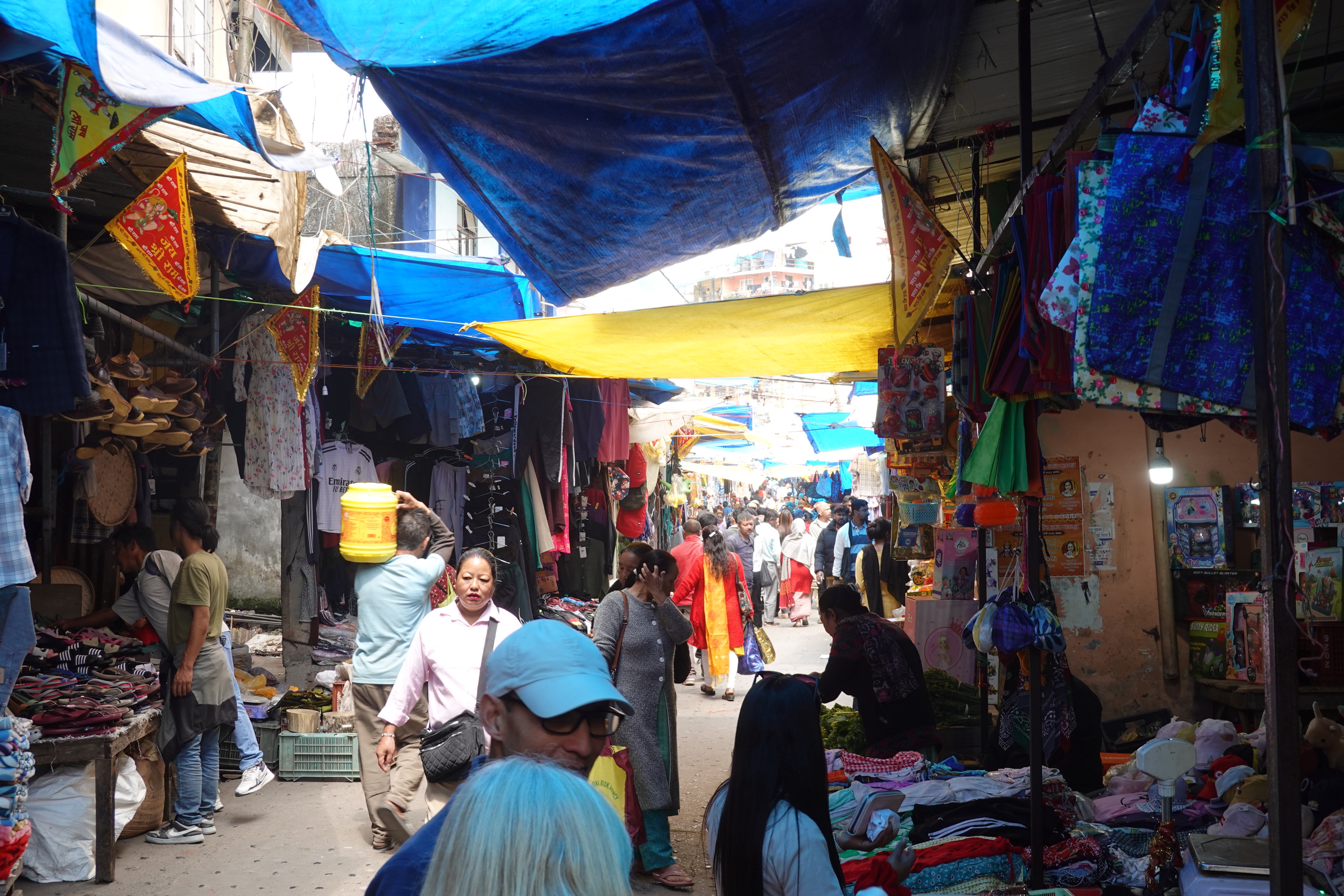
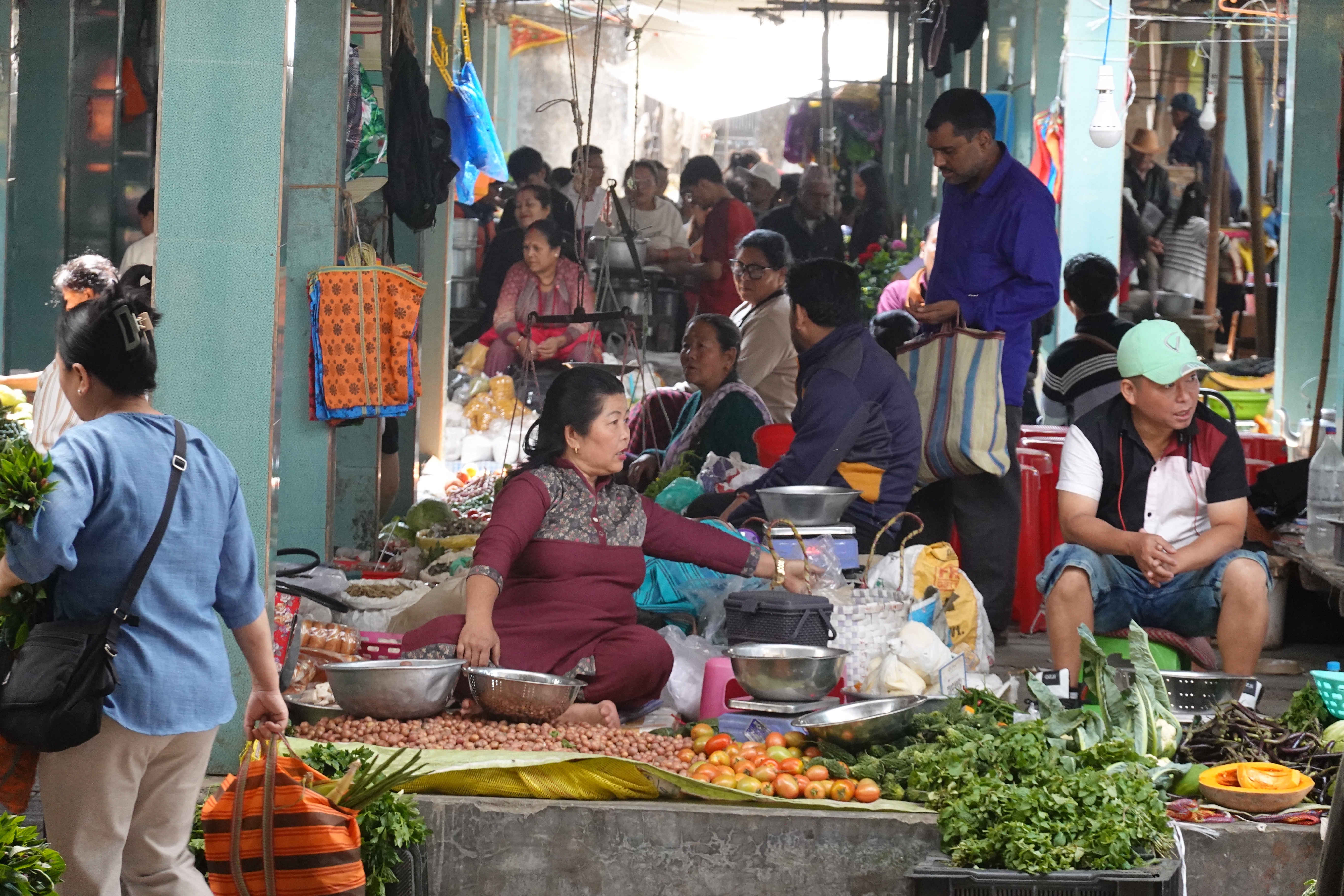
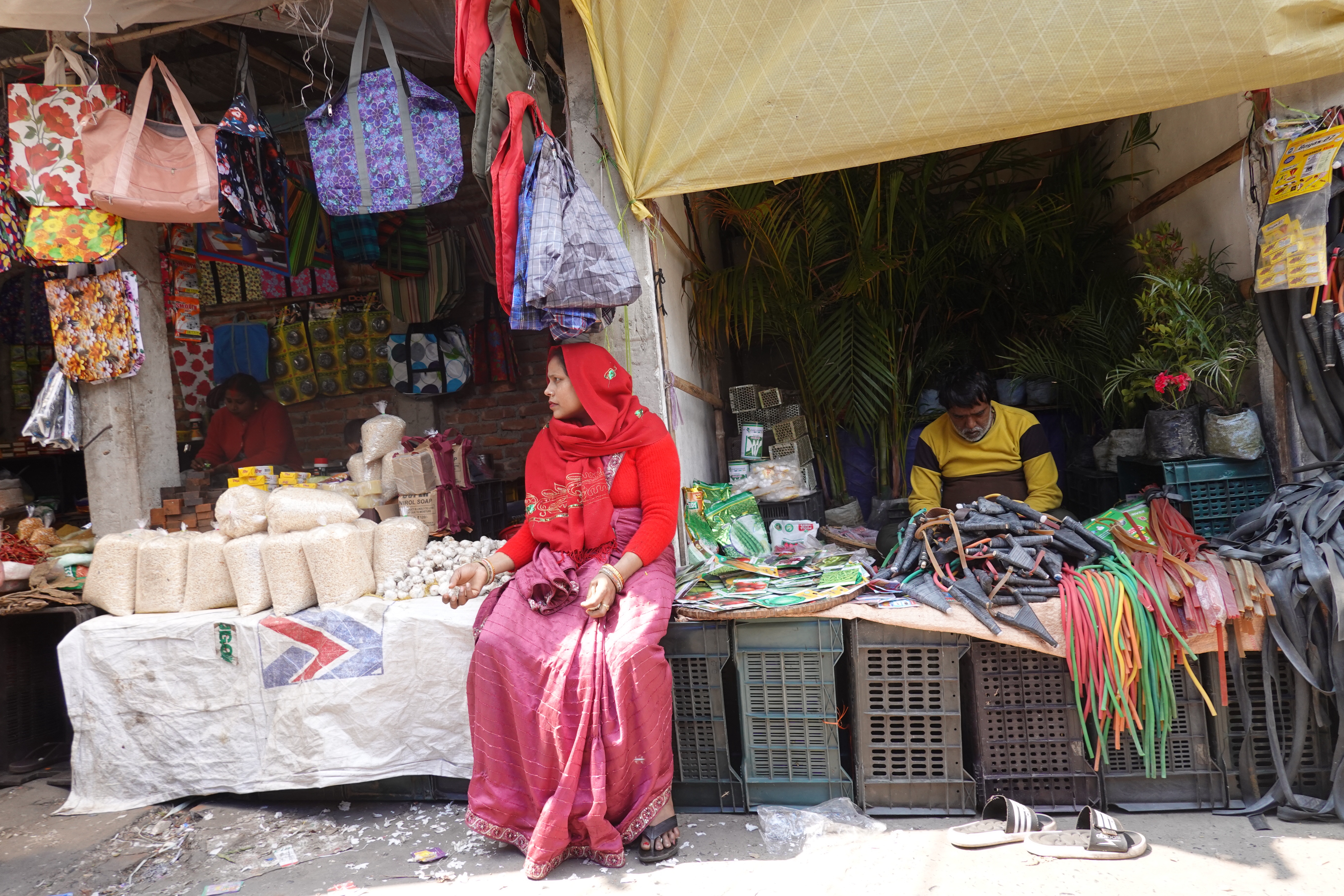
We had been told, by less insightful travellers with less discerning guides, that Kalimpong was a bit of a nothing burger of a place, as they explained to us why they were skipping it to get somewhere else more quickly. Not true. We made our own fun. We visited a Buddhist monastery, a Hindu temple and a Catholic church in a single morning. We saw the largest collection of South American cacti in this part of India. We walked through the cacophonously crowded weekend market, held on Wednesdays, which features a kick-ass momo stall from which we had dumplings that were just ingredients when we arrived and that we ate from a banana leaf placed on a piece of newspaper. We saw the shared taxis starting to load up with all of the people who had arrived in them in the morning from the surrounding areas – these taxis are what we would think of as three row seven or eight seater Jeep equivalents that carry an official maximum of 10 passengers plus the driver and that represent at least half the cars here as the roads are too narrow and twisty for traditional busses. Shopping is stowed on the roof, except flats of eggs, which go on the hood, lashed to the windshield wipers in the hope that it will not rain. And we went to a local paper maker, which involved what seemed to be a descent down steep stairs through a series of back yards, and met the owner, who explained that the guy who actually does the paper making had not come to work that day, but who kindly showed us around the tiny facility anyway – “here is where the wood would be boiled if the worker was here, and here is where the pulp would have been made before your eyes if it was actually being made today” – you get the idea.
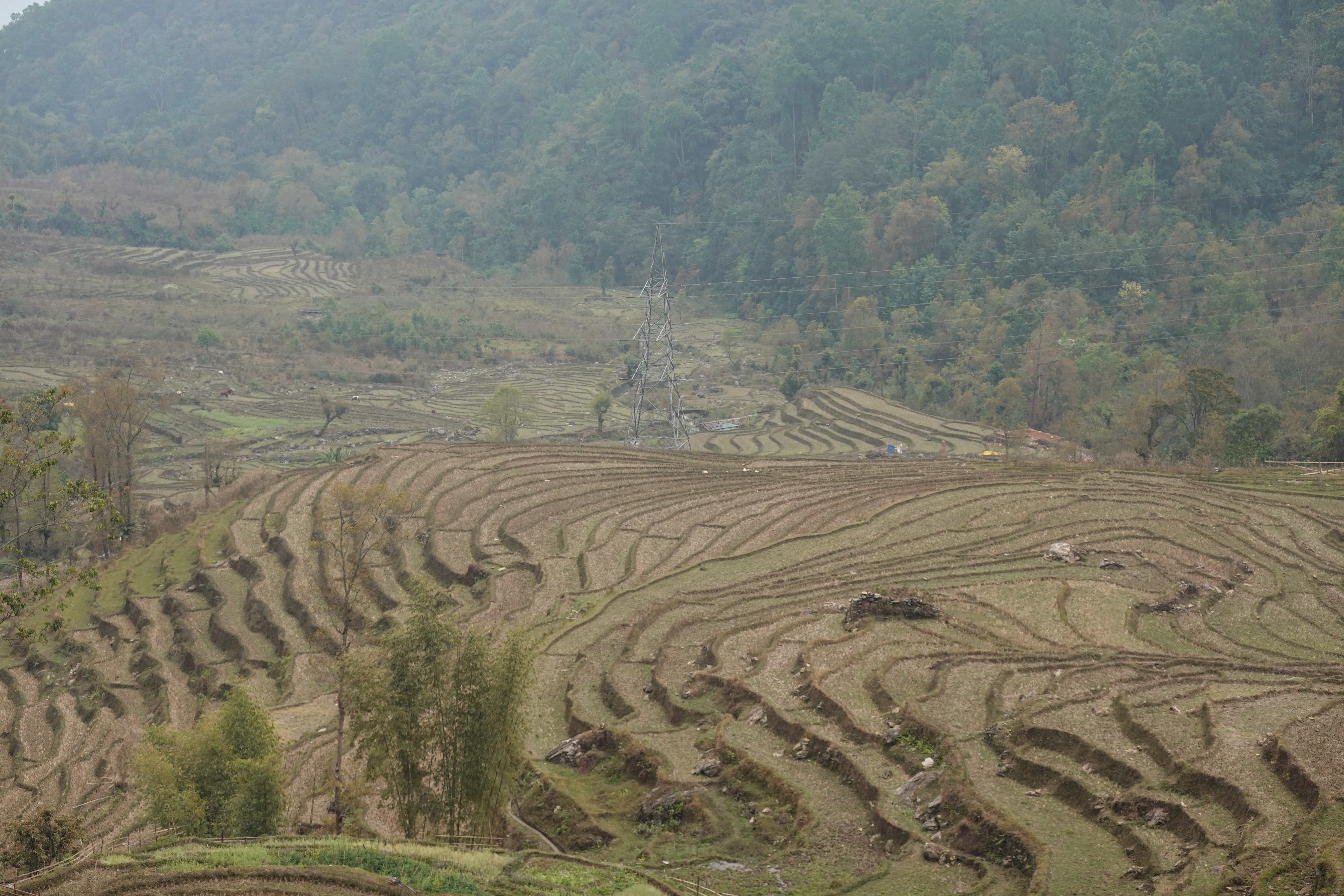
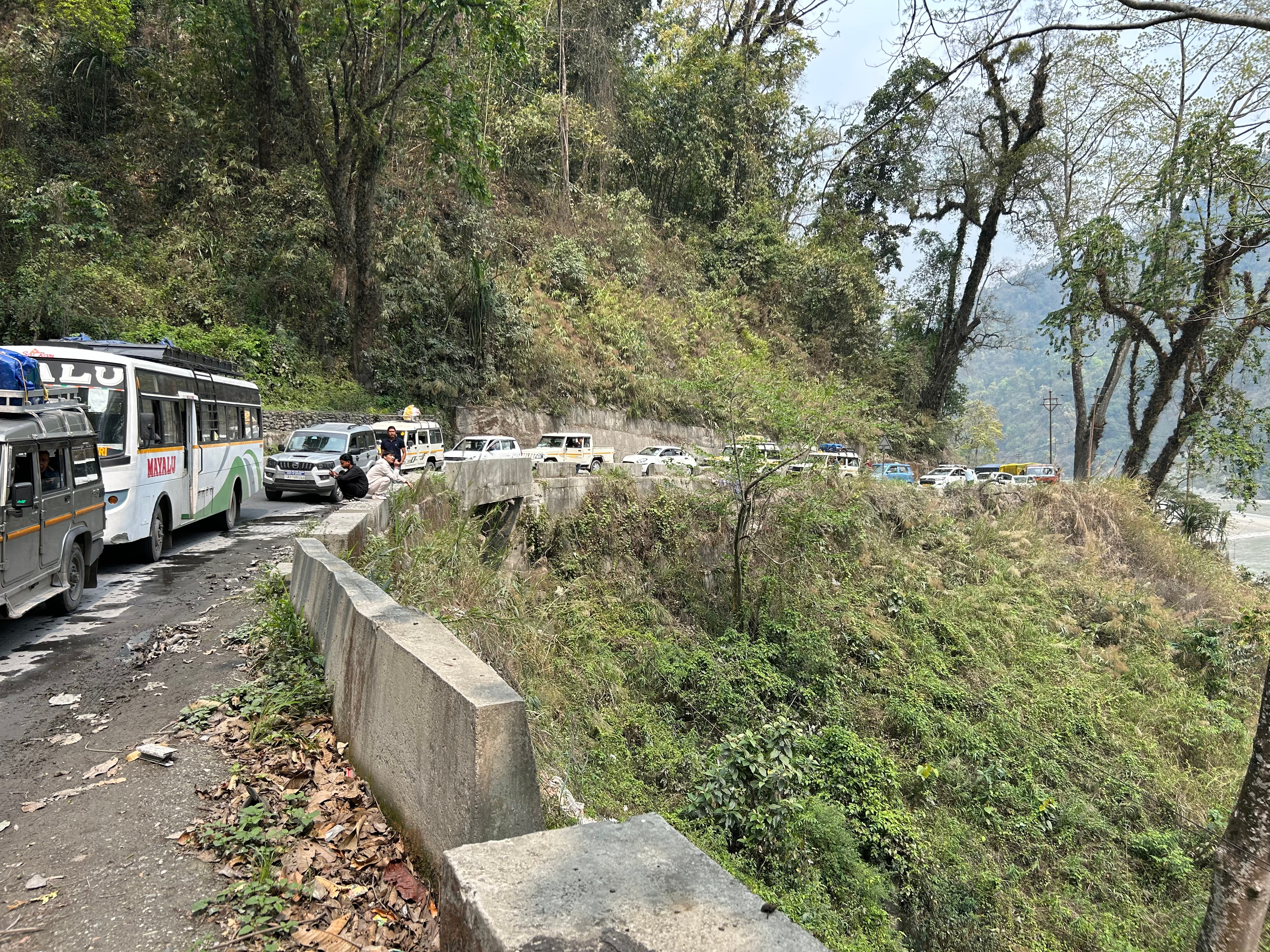
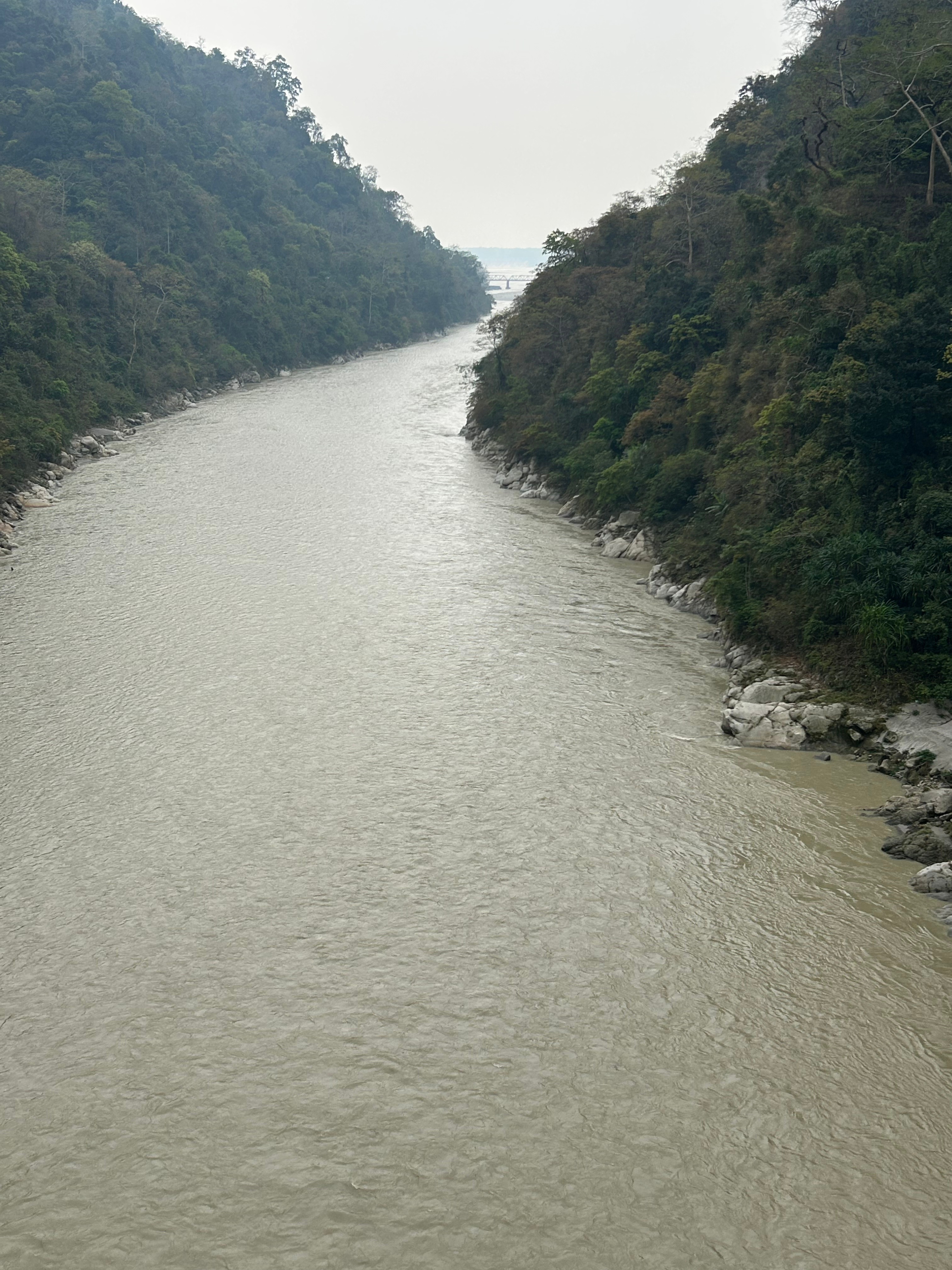
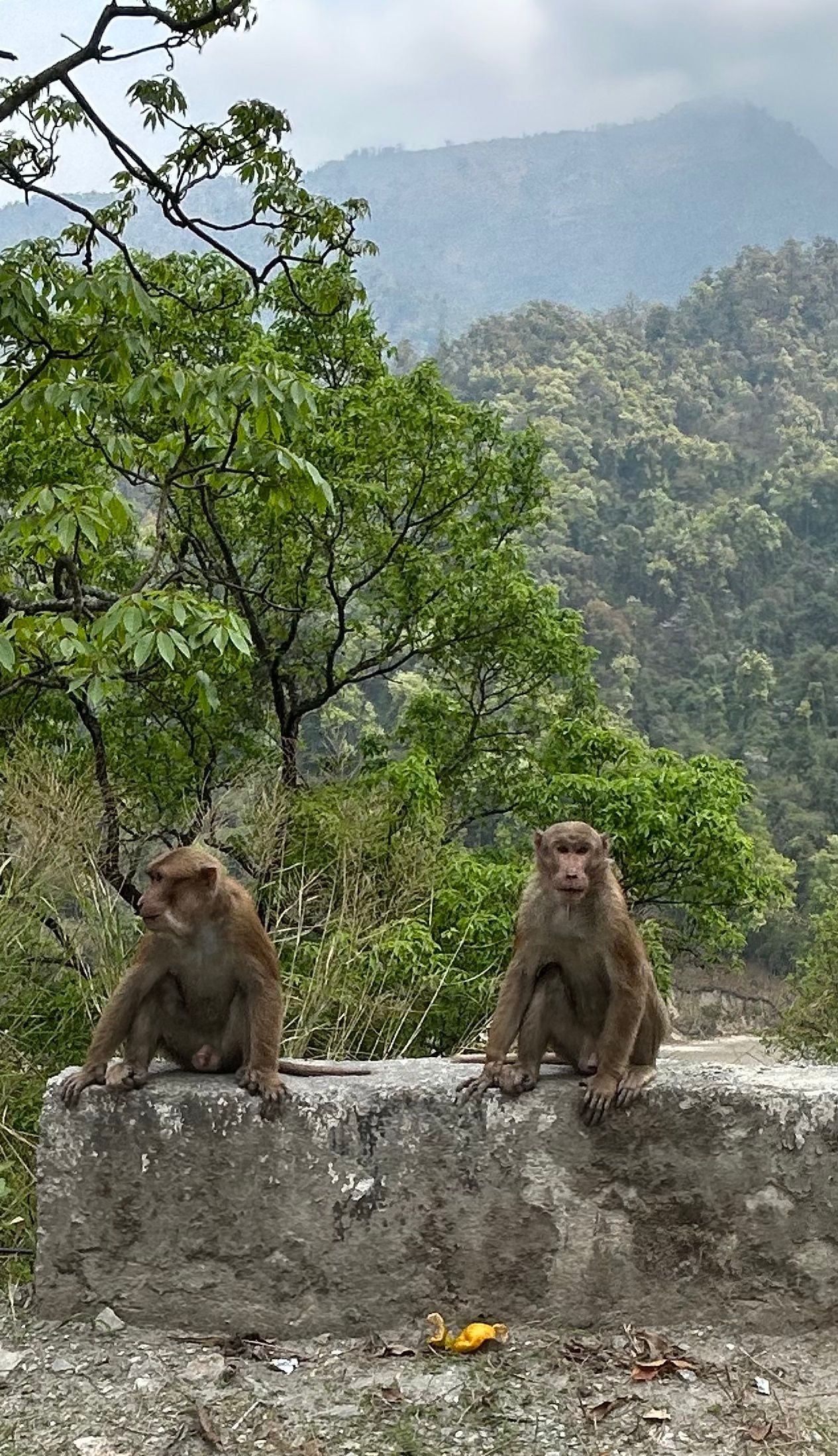
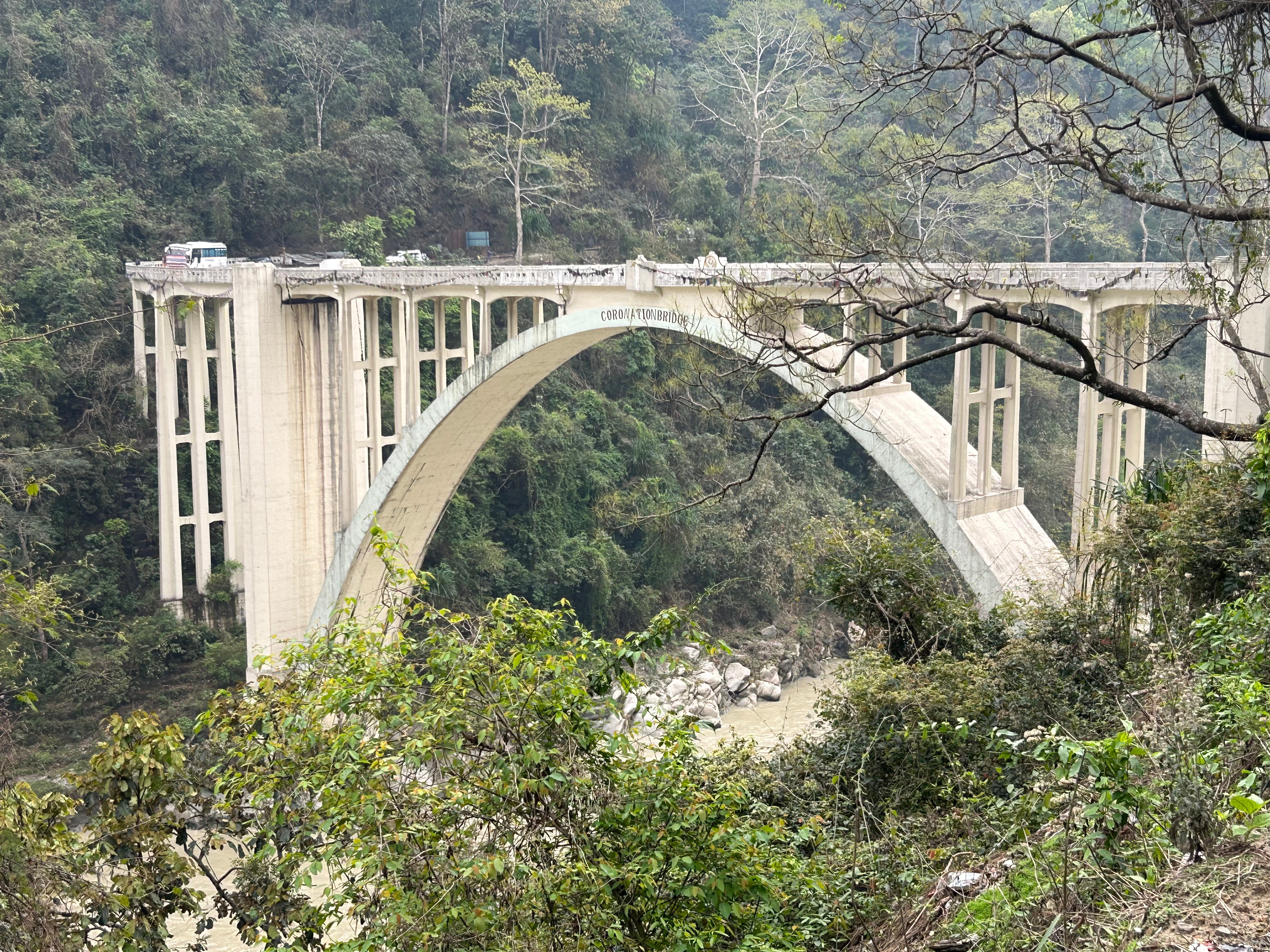
And then all too soon we were gone, heading down out of the foothills toward the lowlands one last time. A last Indian mountain road; a last traffic jam, this time for construction to repair landslide damage from recent storms, which was good because in places the downhill side of the road had washed away right into the edge of the outside lane; a last cadre of roadside monkeys, casting a baleful eye on us as we crept past in traffic, as though sizing us up for a quick smash and grab. Then onto level ground and straight roads, which were disorienting. And heat and humidity and palms and betel nut trees and towns that were much more like the India we had seen in other parts of the country. But sitting in the back of an expertly driven car gives the passengers a kaleidoscopic view of all this, which is endlessly entertaining – if the video at the end of this post loads and plays, you can see a tiny bit of it.
 bengalbhutanblog.ca
Leave a comment