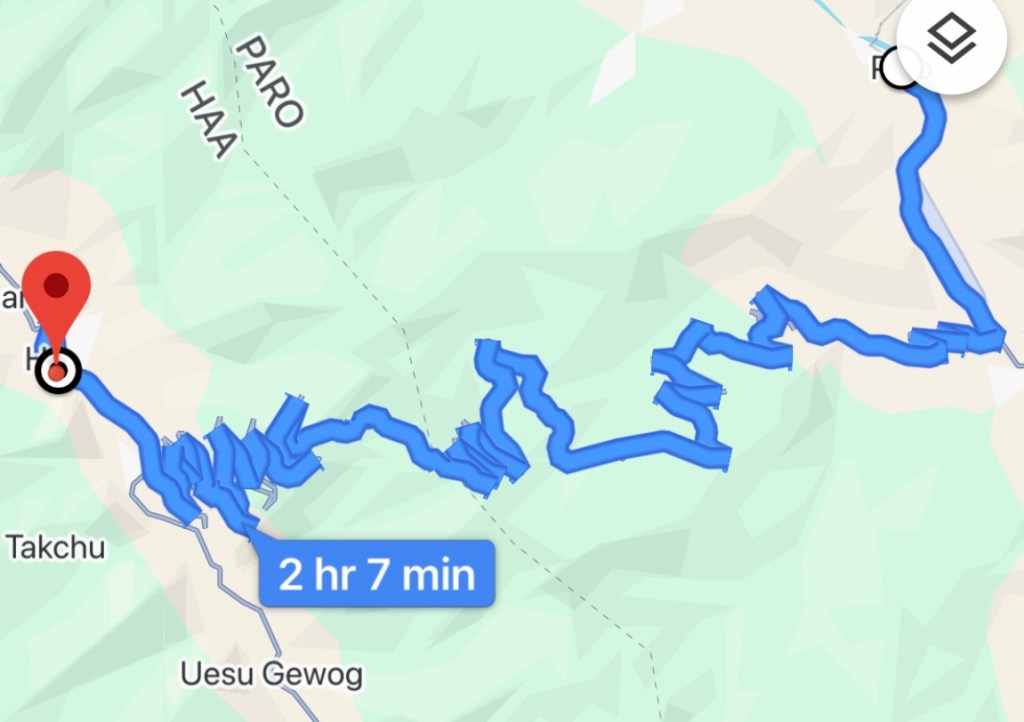
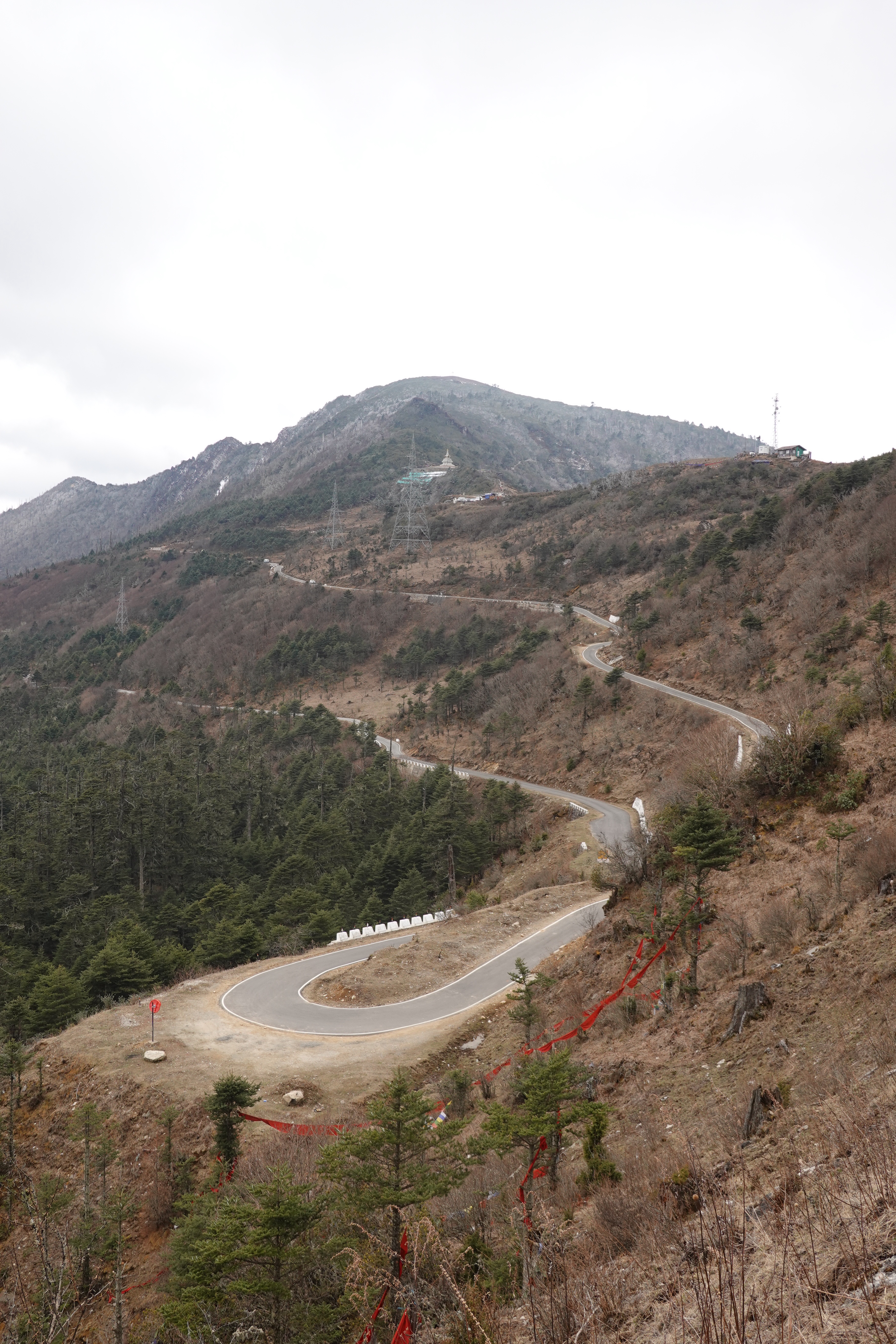
As someone once said, the road to Haa is paved with good intentions. But at least it’s paved. This one lane corkscrew, from Paro to Haa, has the highest crow to drive ratio we have found so far – 14.5 km for the crow vs 69 km for the driver. And it crosses the highest motorable pass in the country at almost 4000 meters (over 13,000 feet), a full mile or more above Paro. So it had better be worth it.
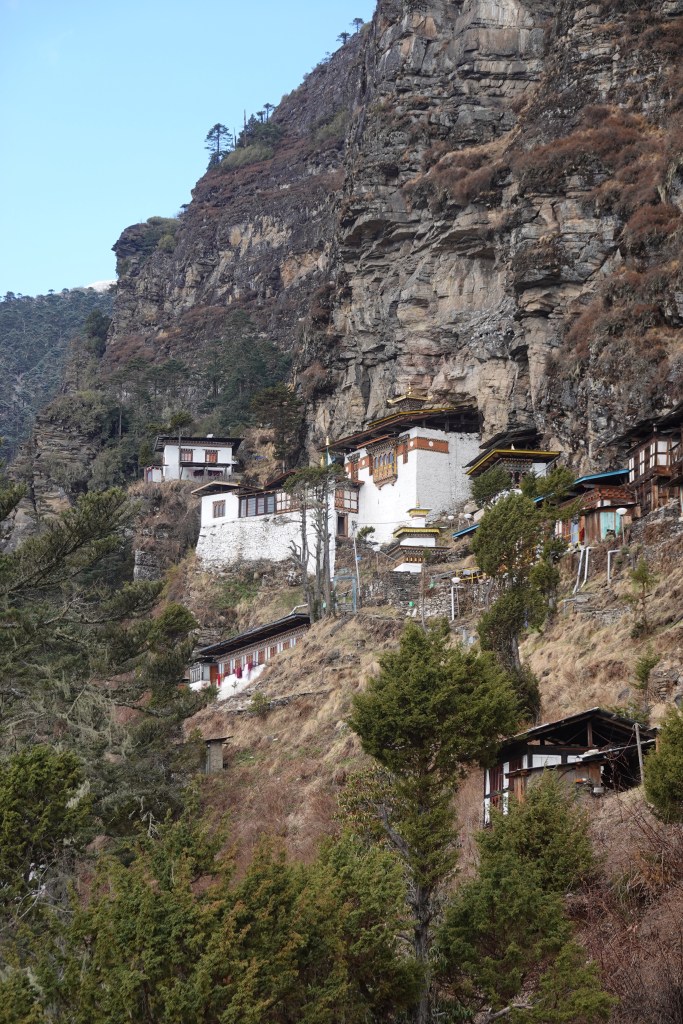
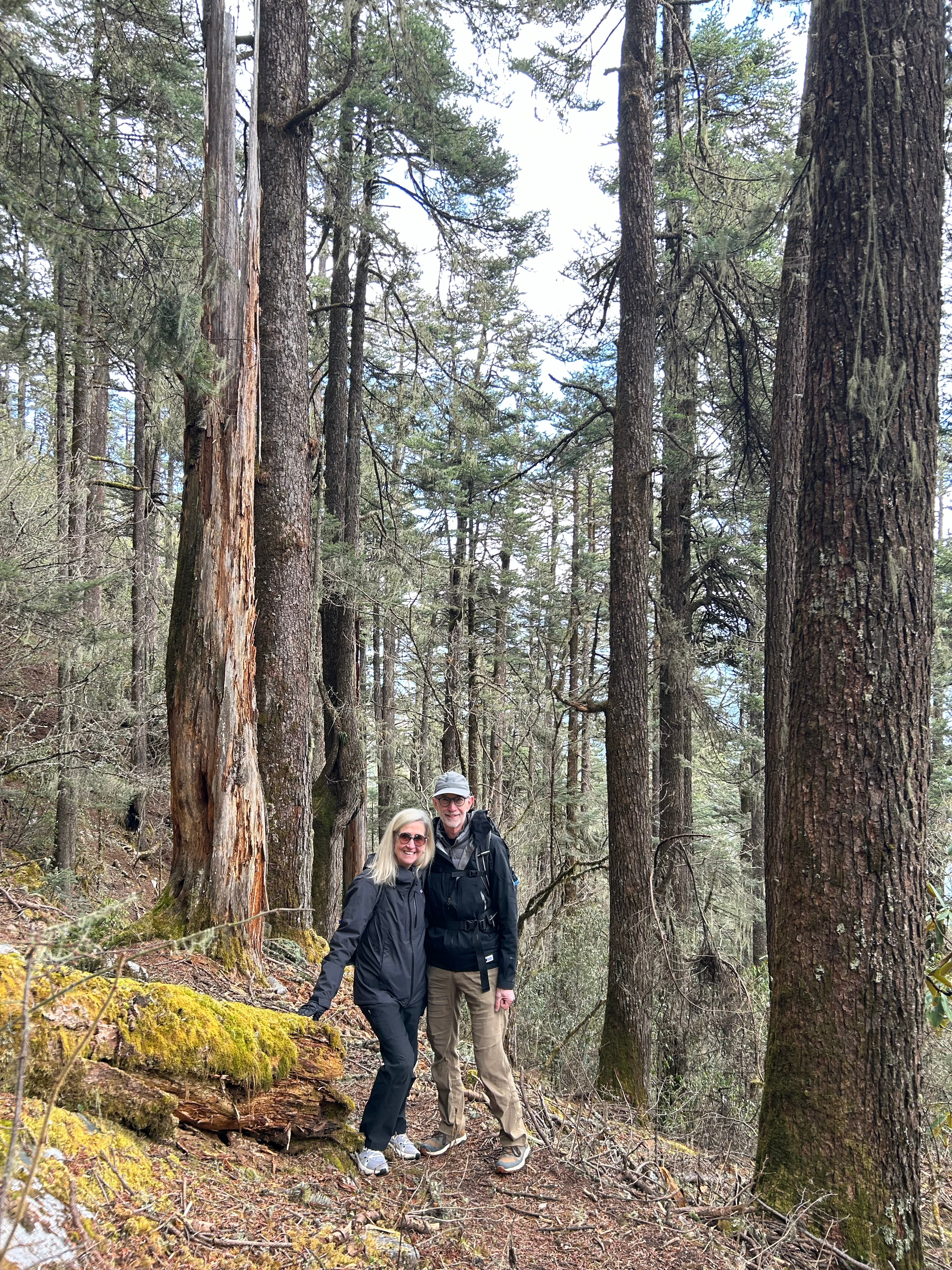
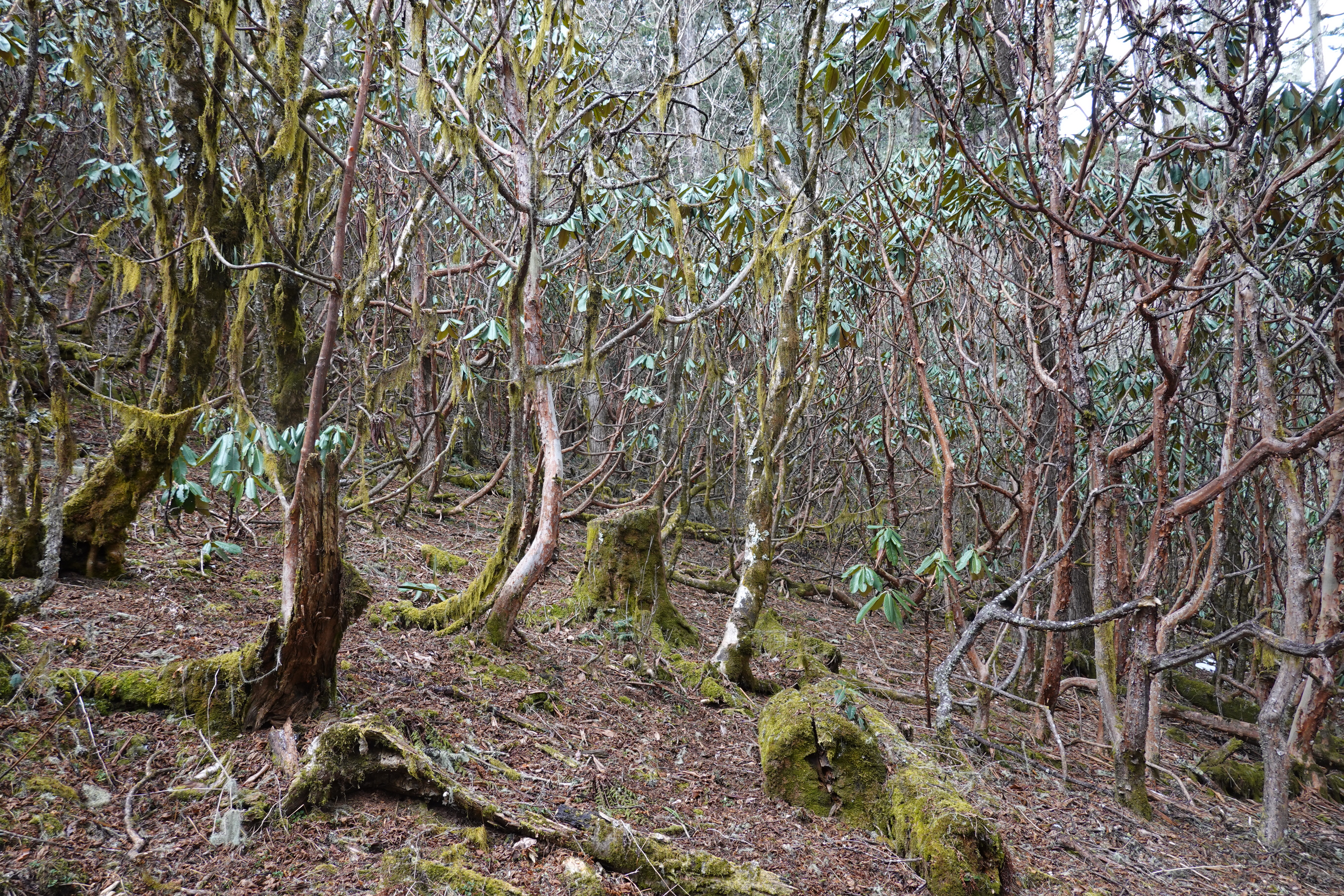
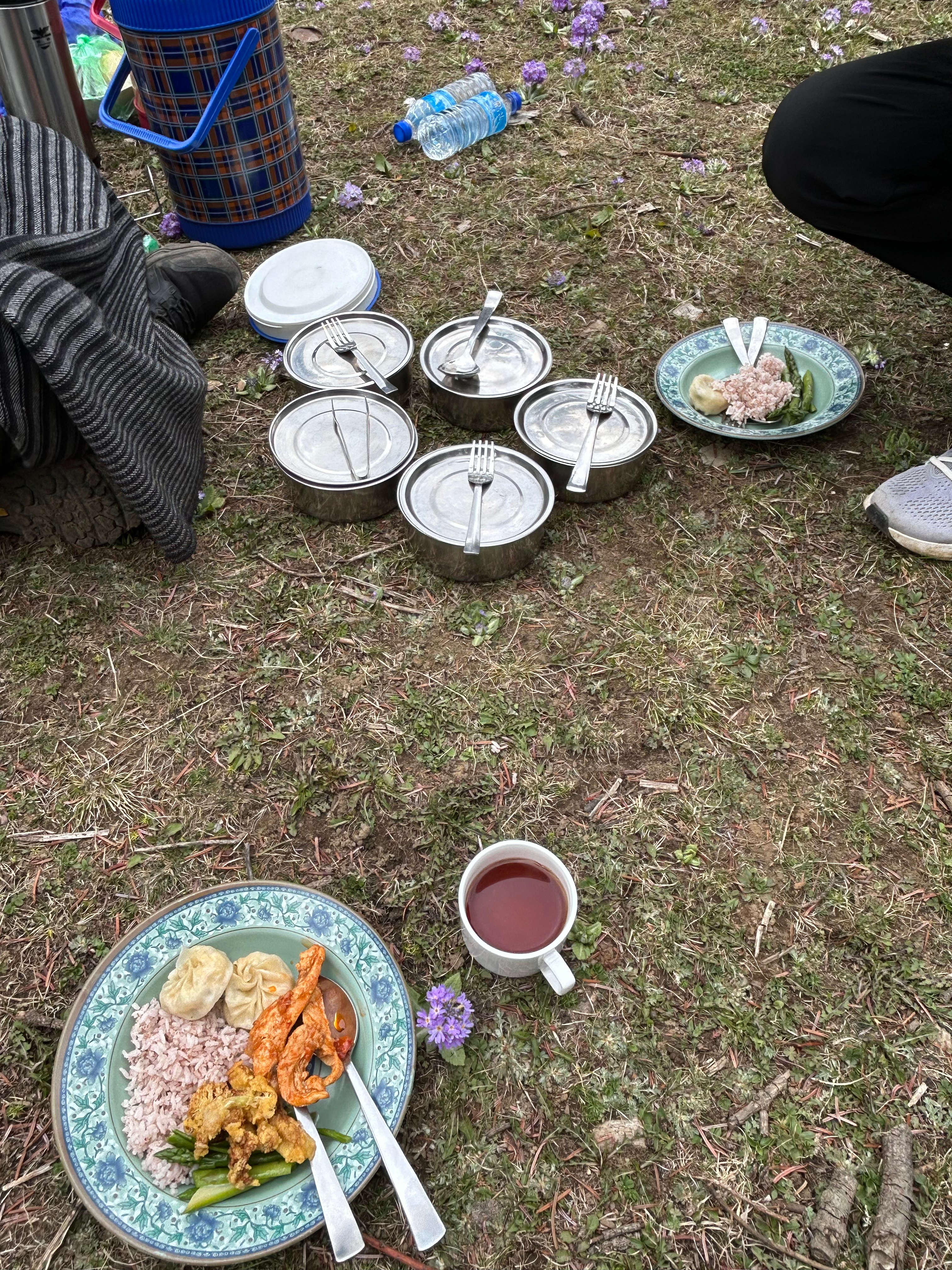
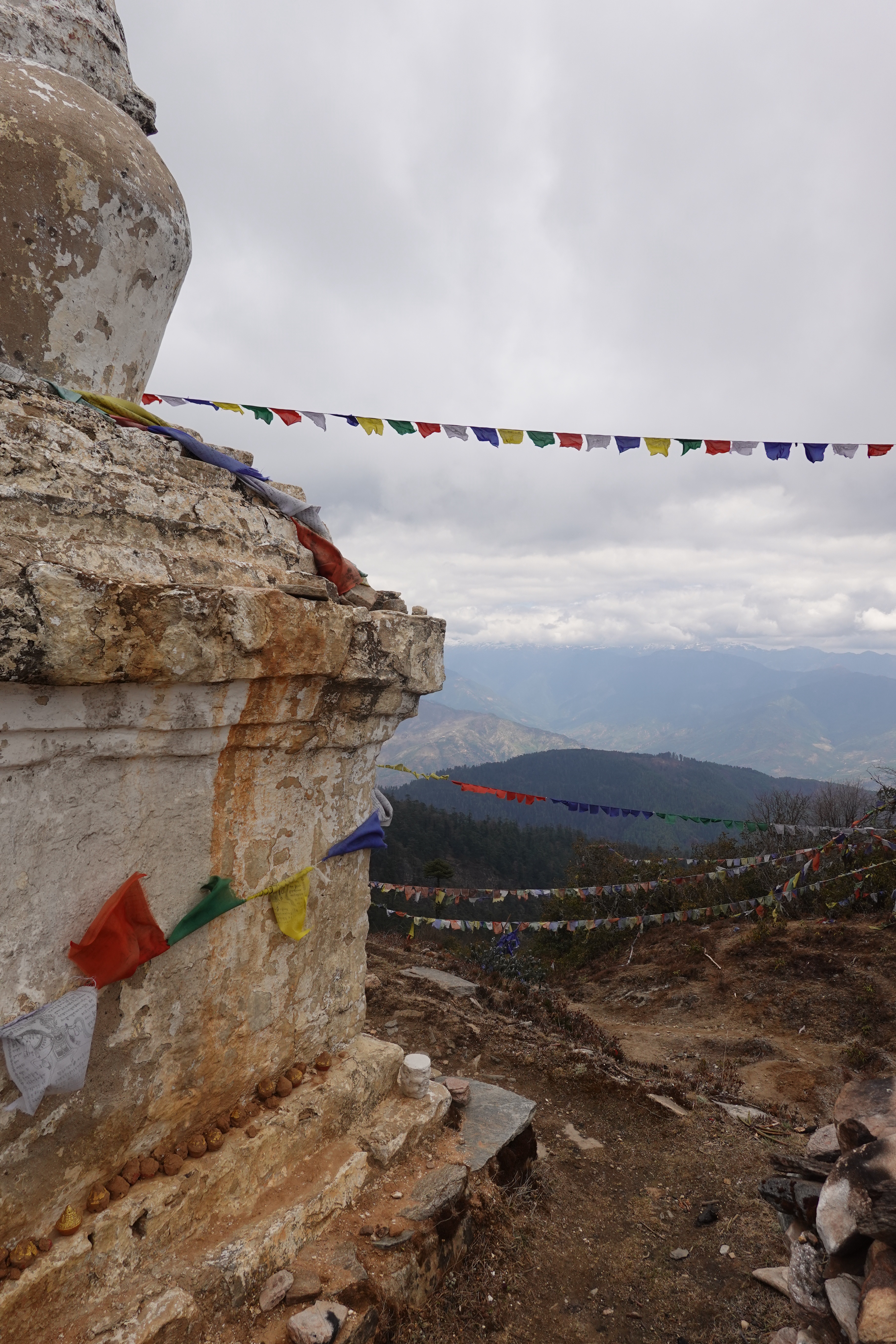
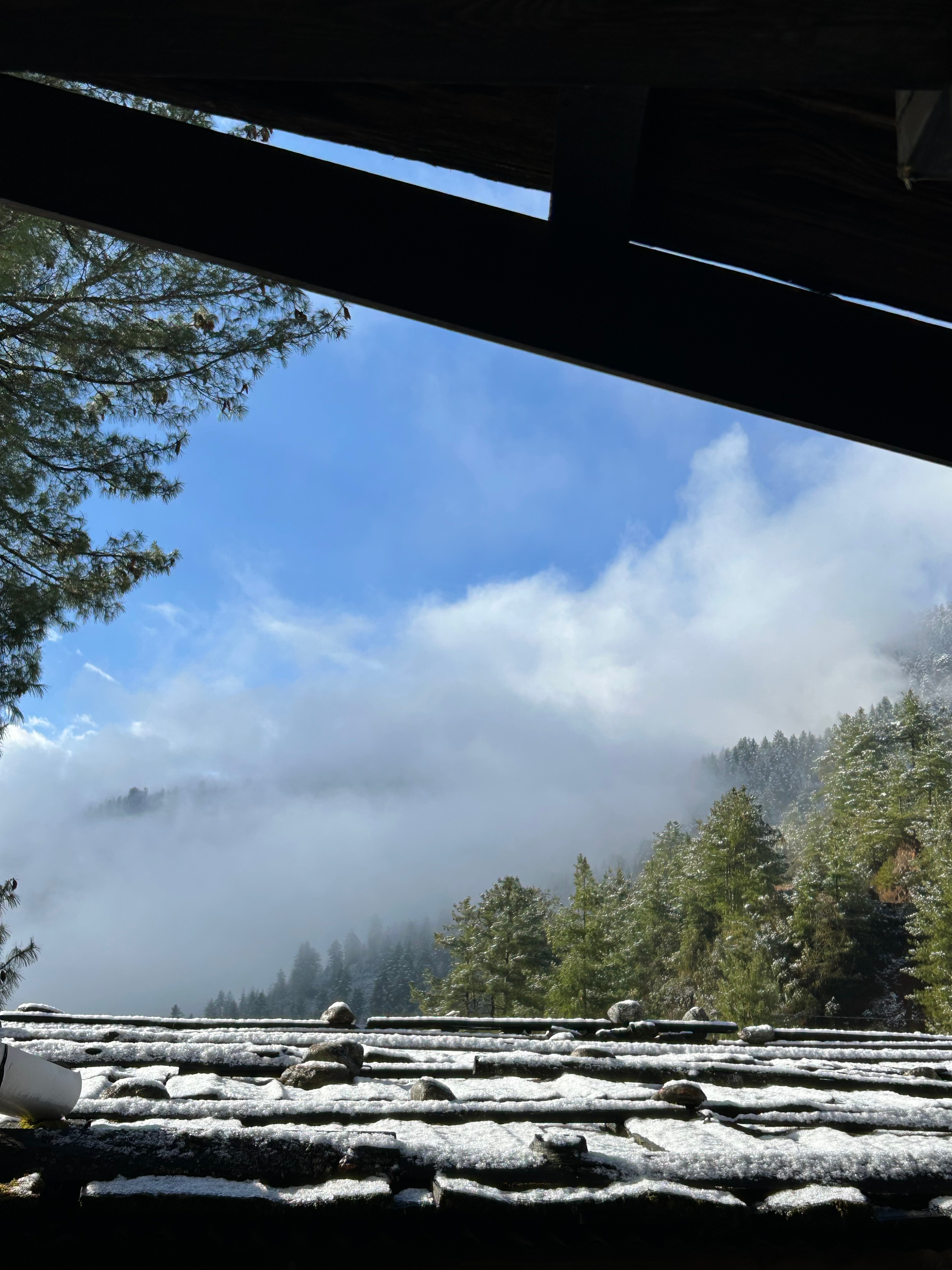
But worth it it was. We drove up a lot of the way to the pass, and then turned off onto what we once would have called a crazy rocky rutted dirt road that was steep and laced with switchbacks, but that we now just refer to as a dirt road. This took us to the start of a path, and that took us in short order to a nunnery hanging off the side of a cliff and established in the 9th century as a meditation site. Still used for meditation, except that nuns have replaced monks as the residents. We were offered chai and the strangely addictive Bhutanese biscuits by one of them. (It haas been noted that we have visited a LOT of monasteries, but no monk has offered us anything.) And then we headed on up the trail through a pine and rhododendron forest for a couple of hours until we reached the pass, with the wind suddenly howling and whipping the zillions of lines of prayer flags so hard that their flapping set up a low bass moan around us. Small shelter at the top with a wood stove and a woman selling tea to the tourists gawking at the view of snowy Himalayas to the north. Then back in the car and down for a bit to what a local yak herder used as a camp site, and what we referred to as a picnic spot, and this time 10 tiffin tins were produced and we and our guide and driver wolfed it all down quickly so as not to freeze to death before making it down to the much more hospitable climes of Haa.
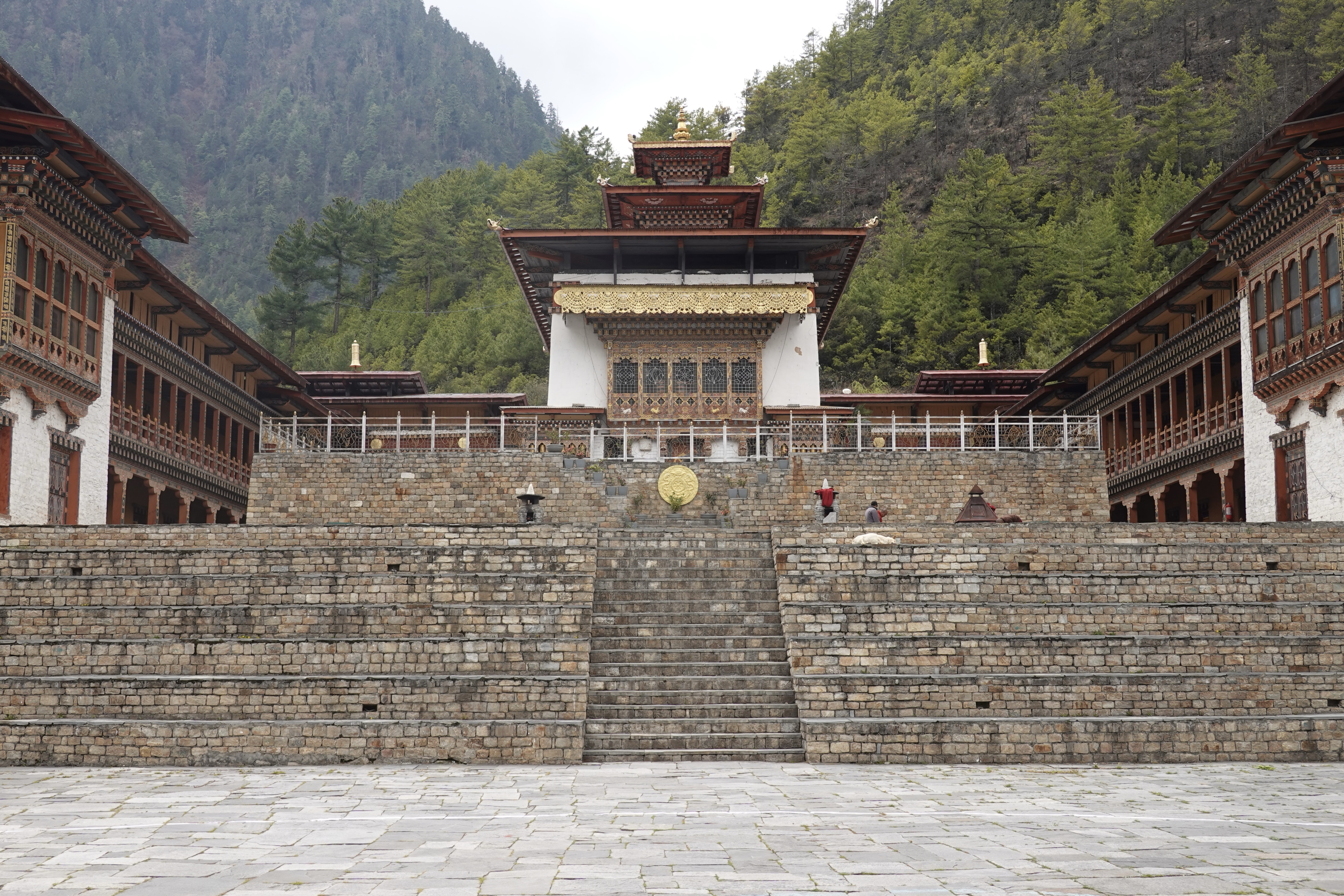
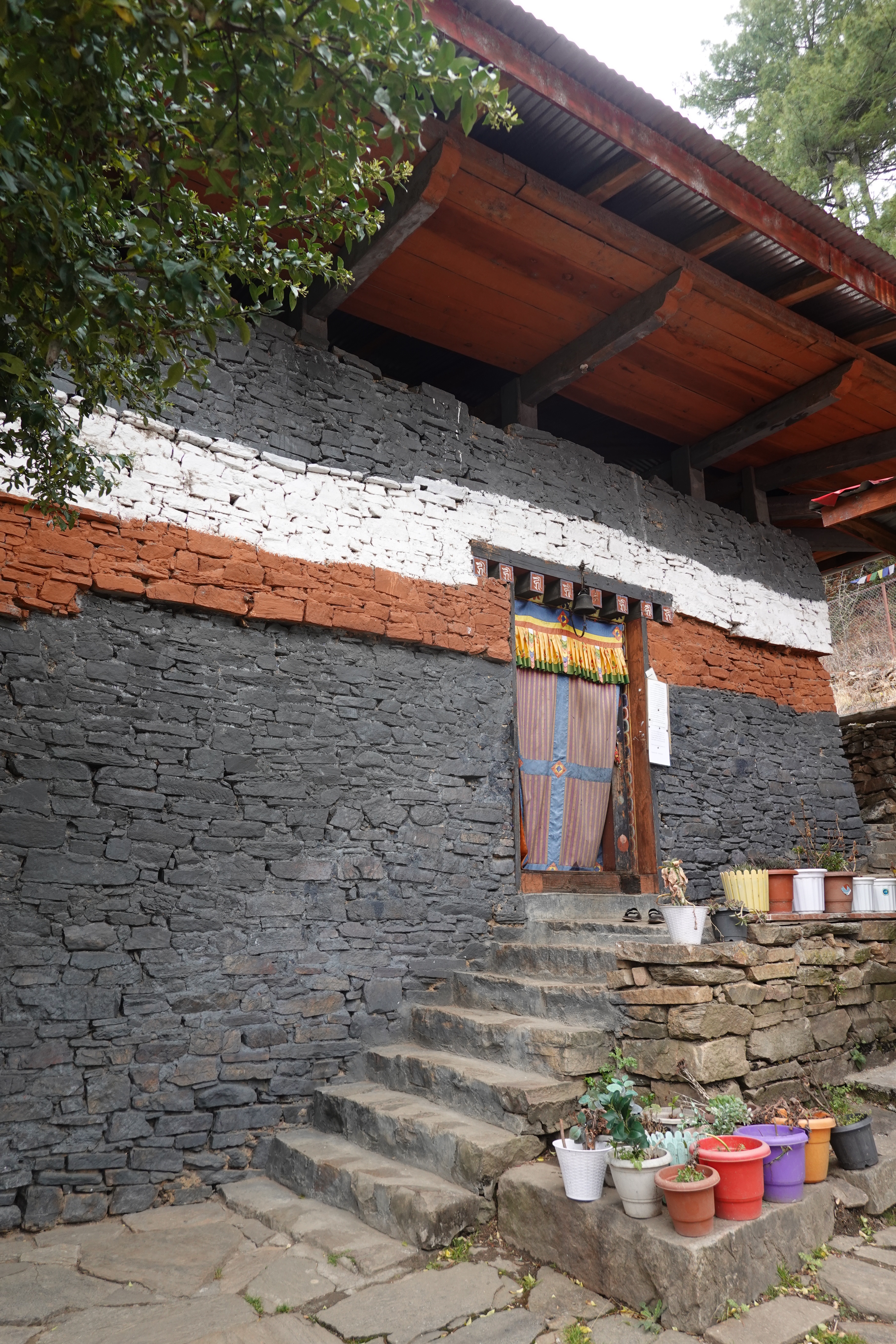
Not a lot going on in Haa. There is a large white temple and a small black temple, each erected eons ago after white and black birds were released and identified auspicious sites where they landed. Otherwise a couple of blocks of nondescript local restaurants and stores, though one of them had that rarest of foods – plain potato chips. This valley is not just remote, but basically a dead end from a transport point of view – the roads peter out before getting anywhere else. Part of this relates to the fact – though we are not sure which is cause and which is effect – that China is as close as either 15 km or 45 km away, depending on whether you are looking at a Chinese map or a Bhutanese one. Despite centuries of overland travel between Bhutan and Tibet, things became a bit fraught once China flexed in Tibet and after it leaned its elbows on the backyard fence between it and Bhutan and admired the view and oh so casually shifted the fence posts southward when it thought no one was looking. Bhutan is nervous about China, given what happened in Tibet, the fact that Bhutan is very Tibetan and the history of Chinese encroachment. Our guide says she learned in school from texts written in the 60s that Bhutan was 43,000 square kilometres big but the current estimate is, net of Chinese incursions, about 38,000. There is a full time Indian military base in Haa, in part to train the Bhutanese army and in part to defend both countries against the northern threat.
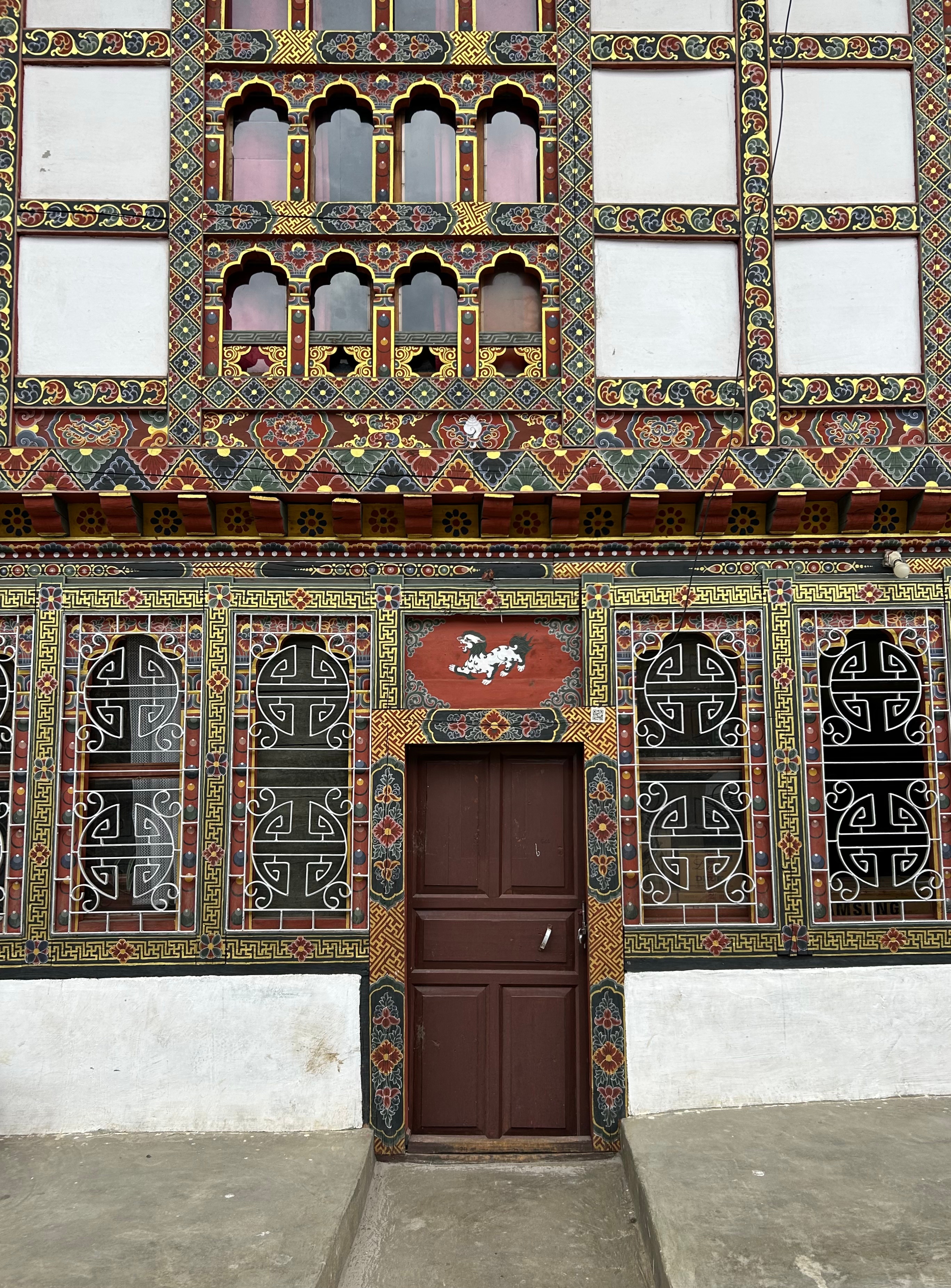
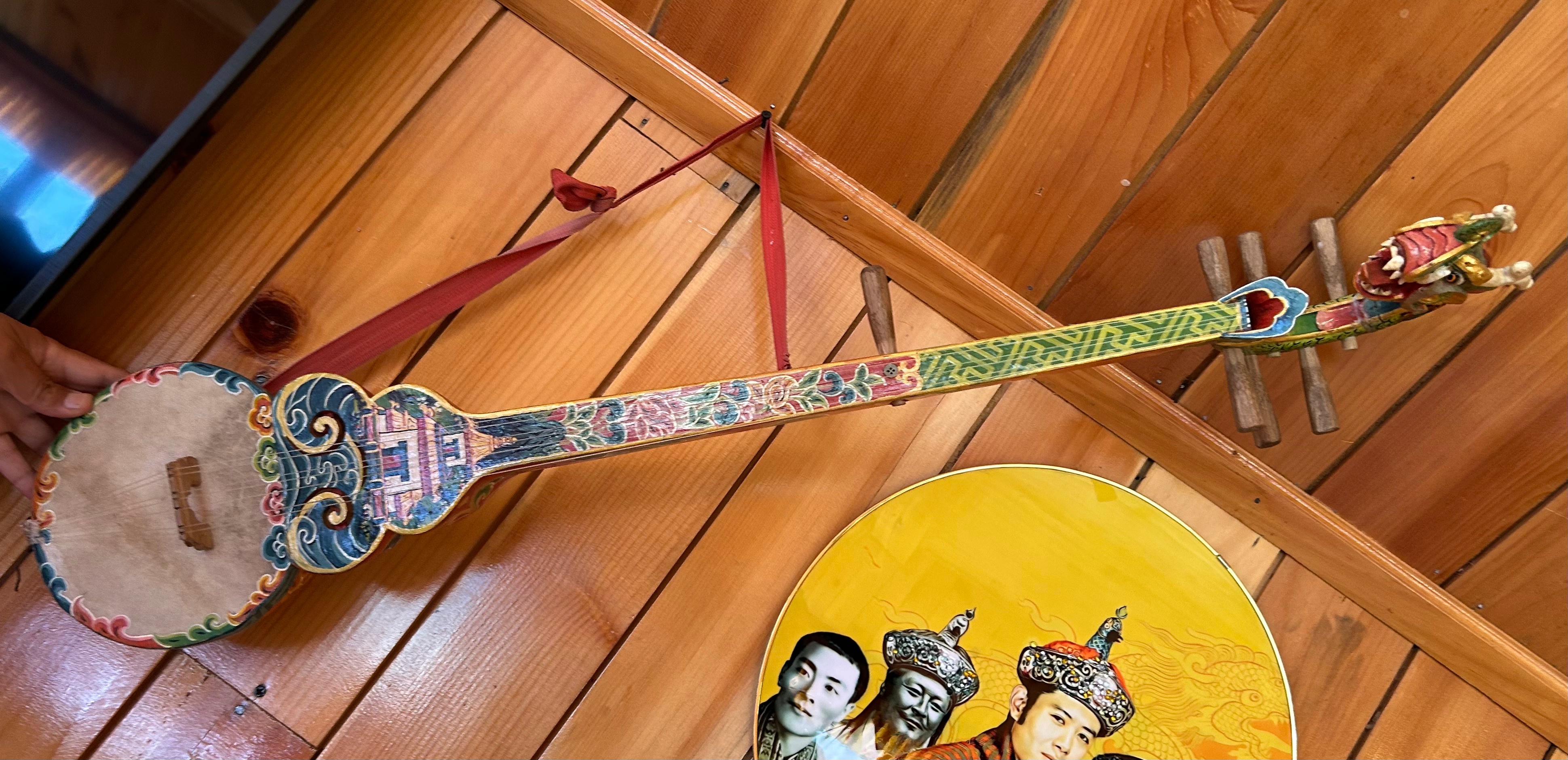
But like many places Haa had its quiet charms. We stayed in a 160 year old traditional house, and while lounging in the lounge the guide of another traveller came in, pulled a stringed instrument from the wall, and started playing and singing traditional Bhutanese songs for us all. This thing had seven strings, one of which only goes half way up.
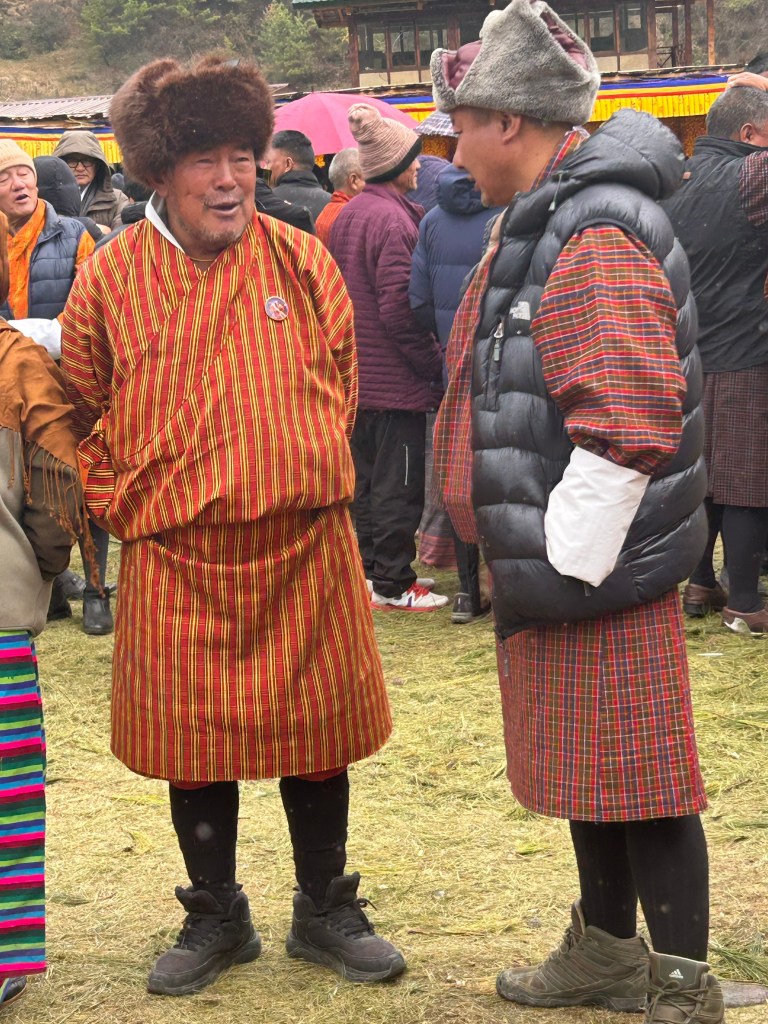
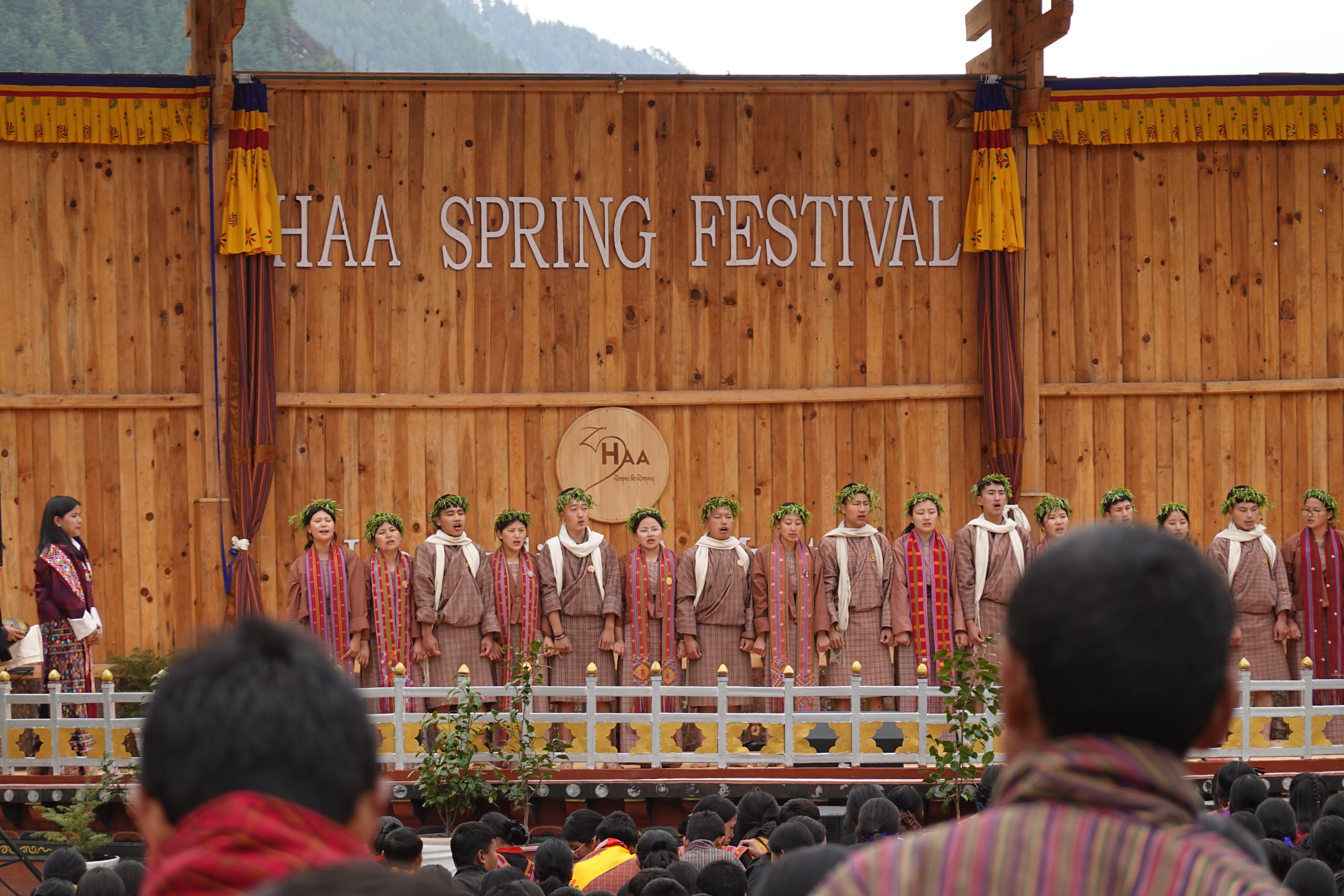
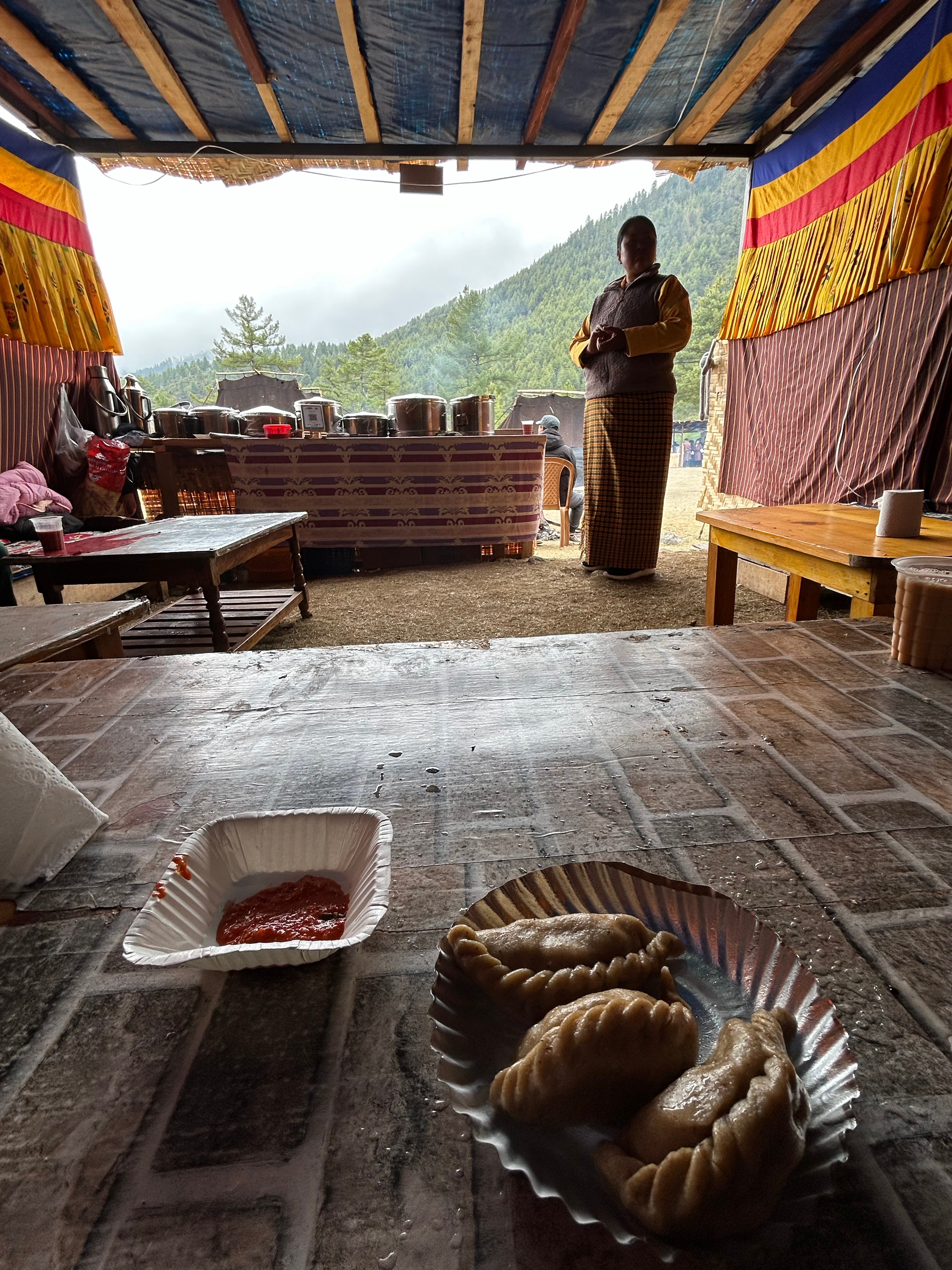
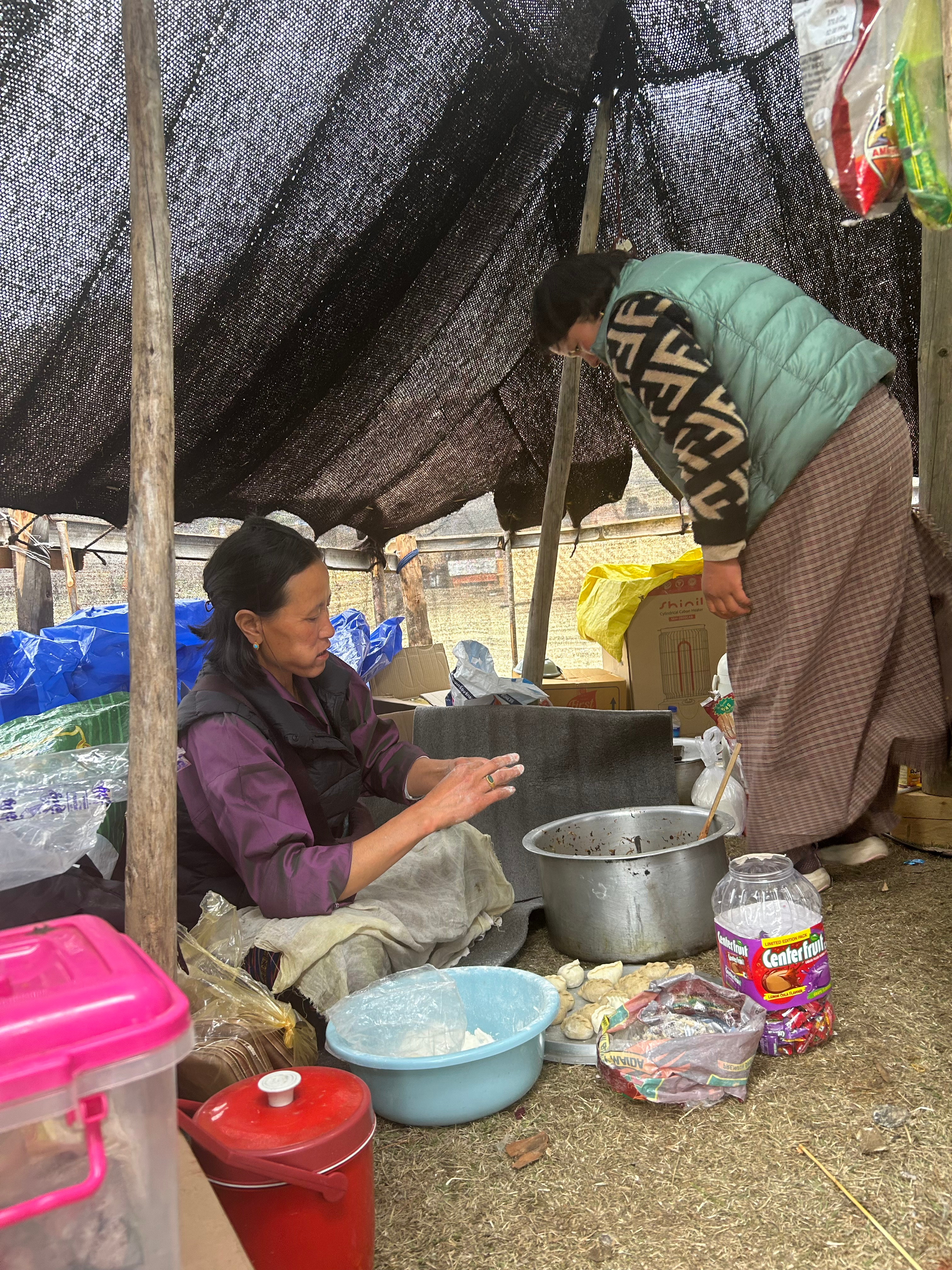
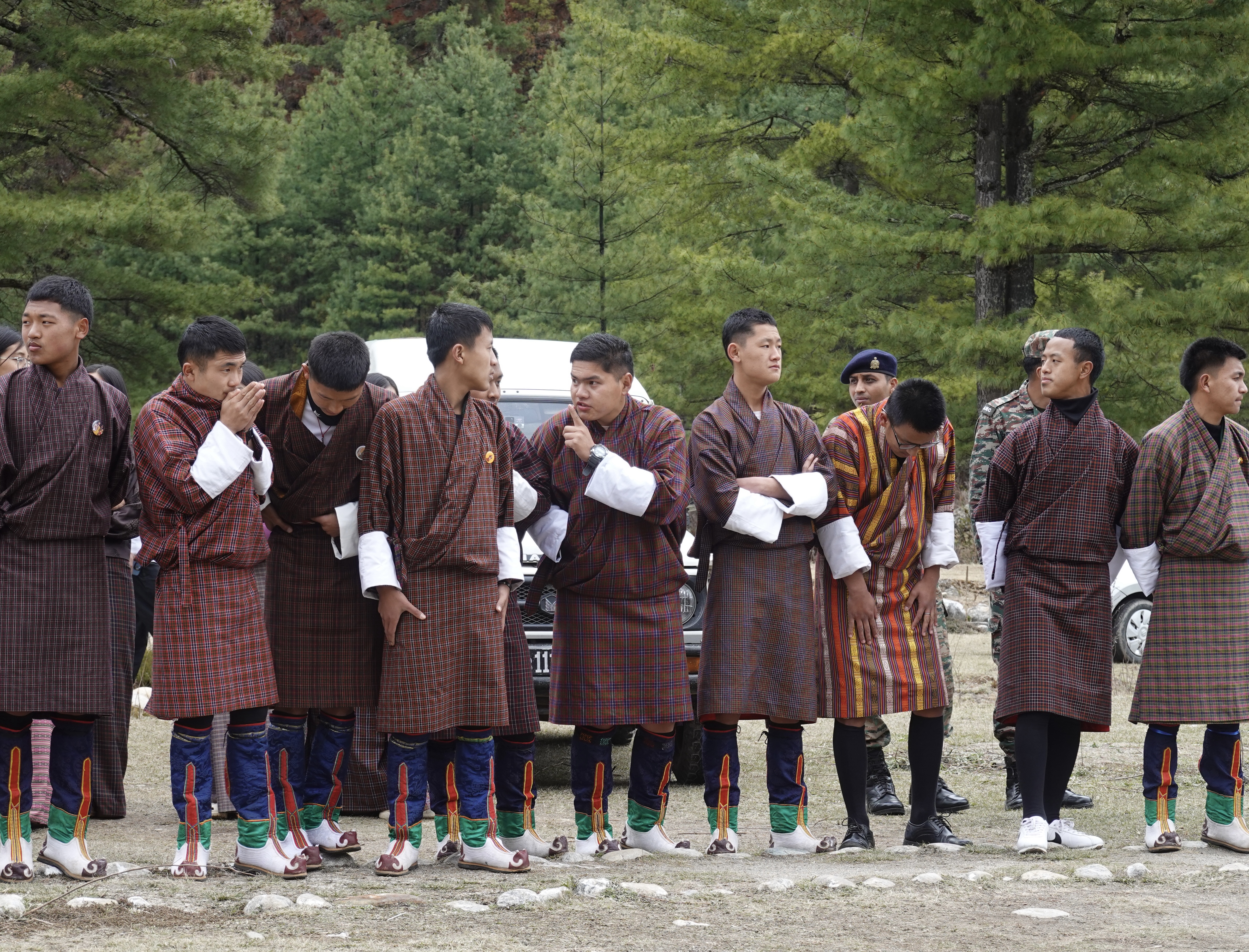
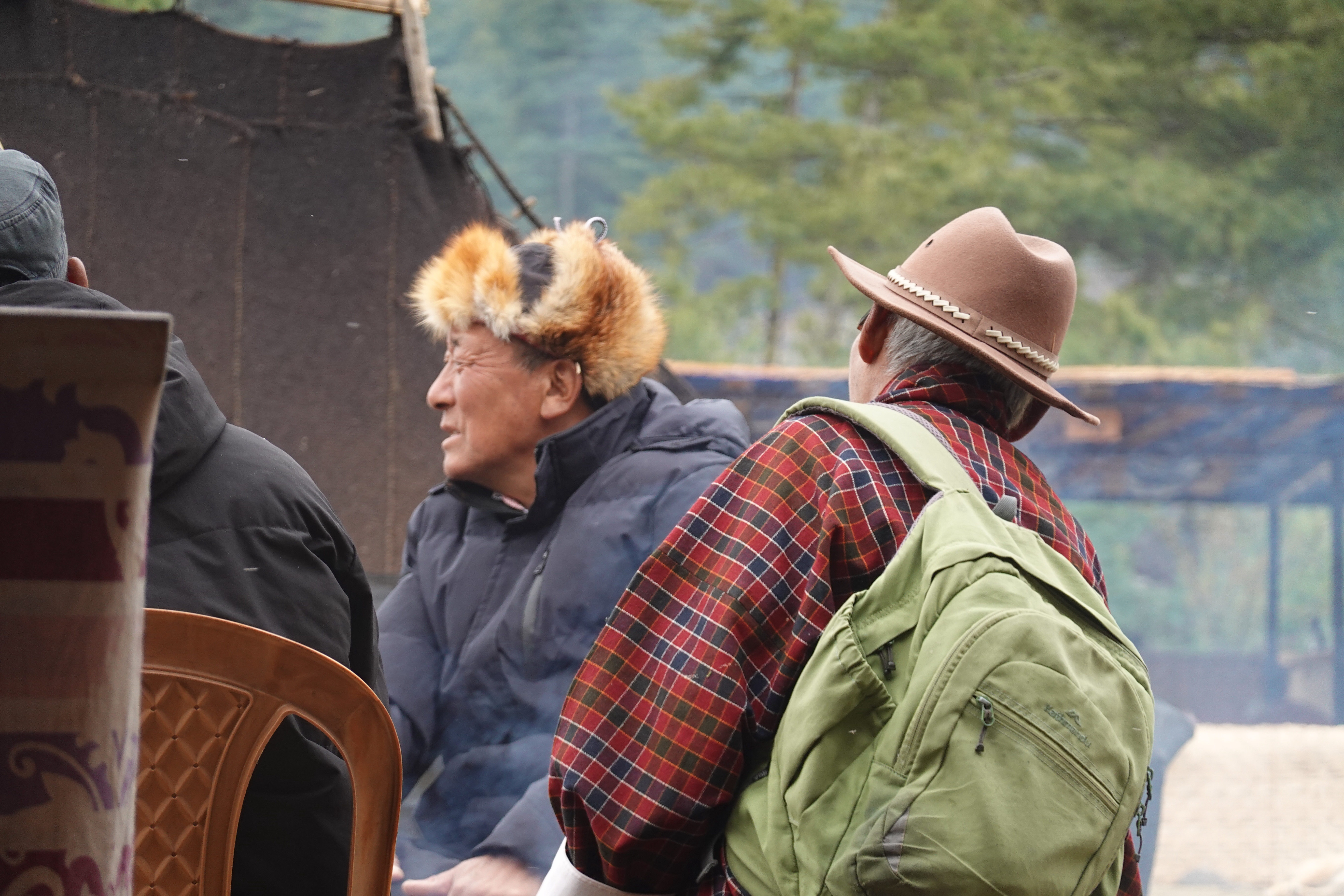
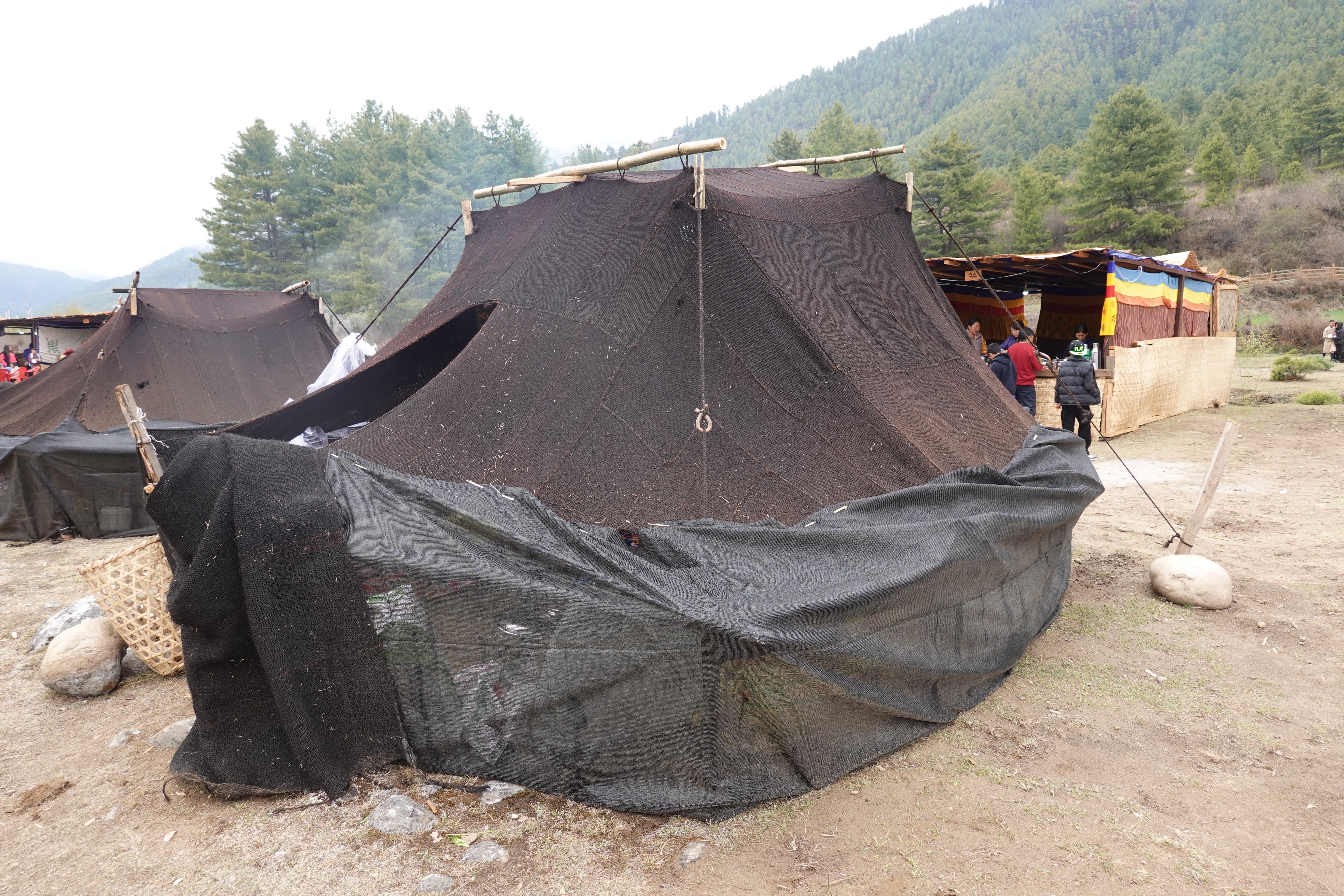
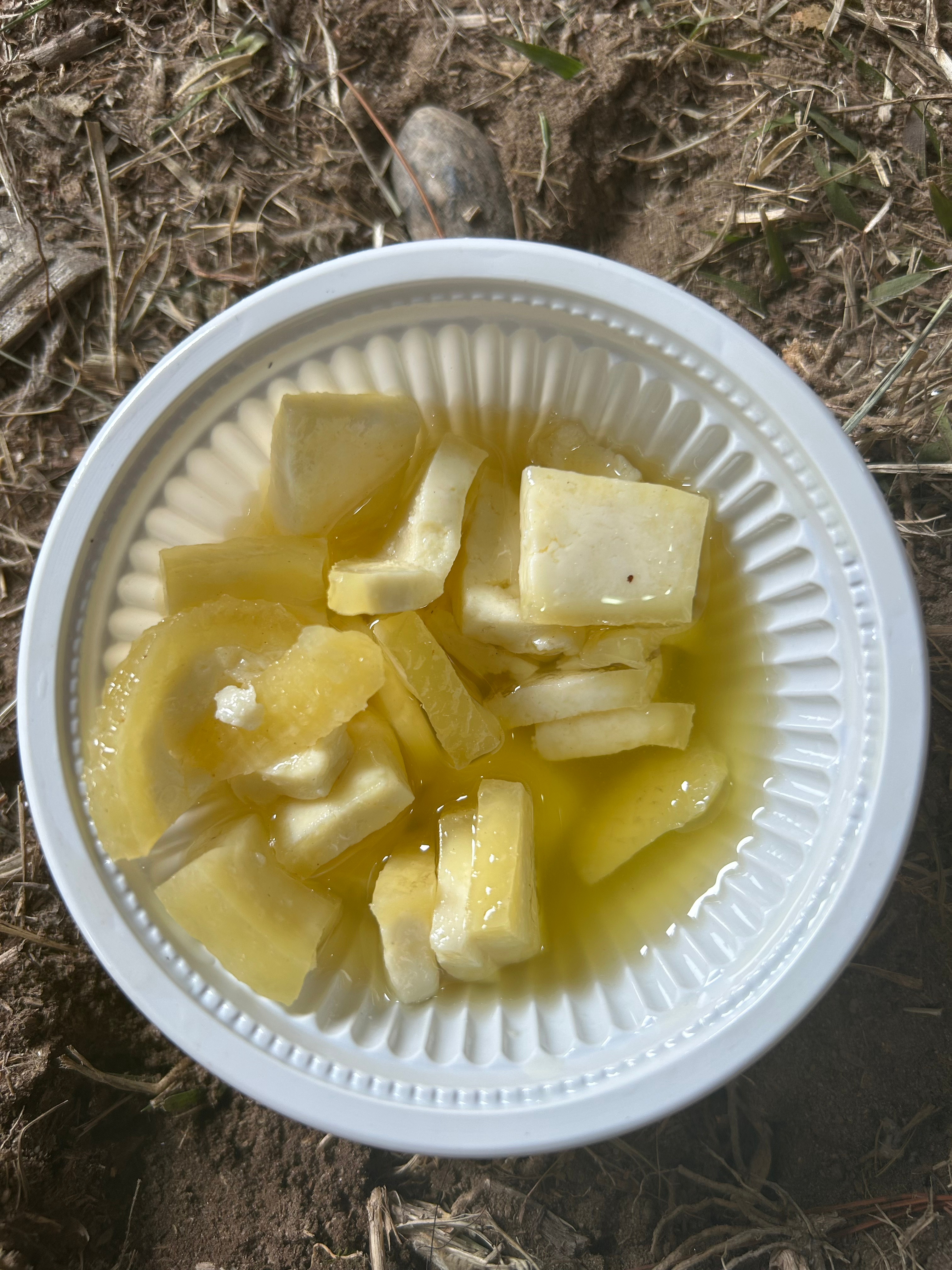
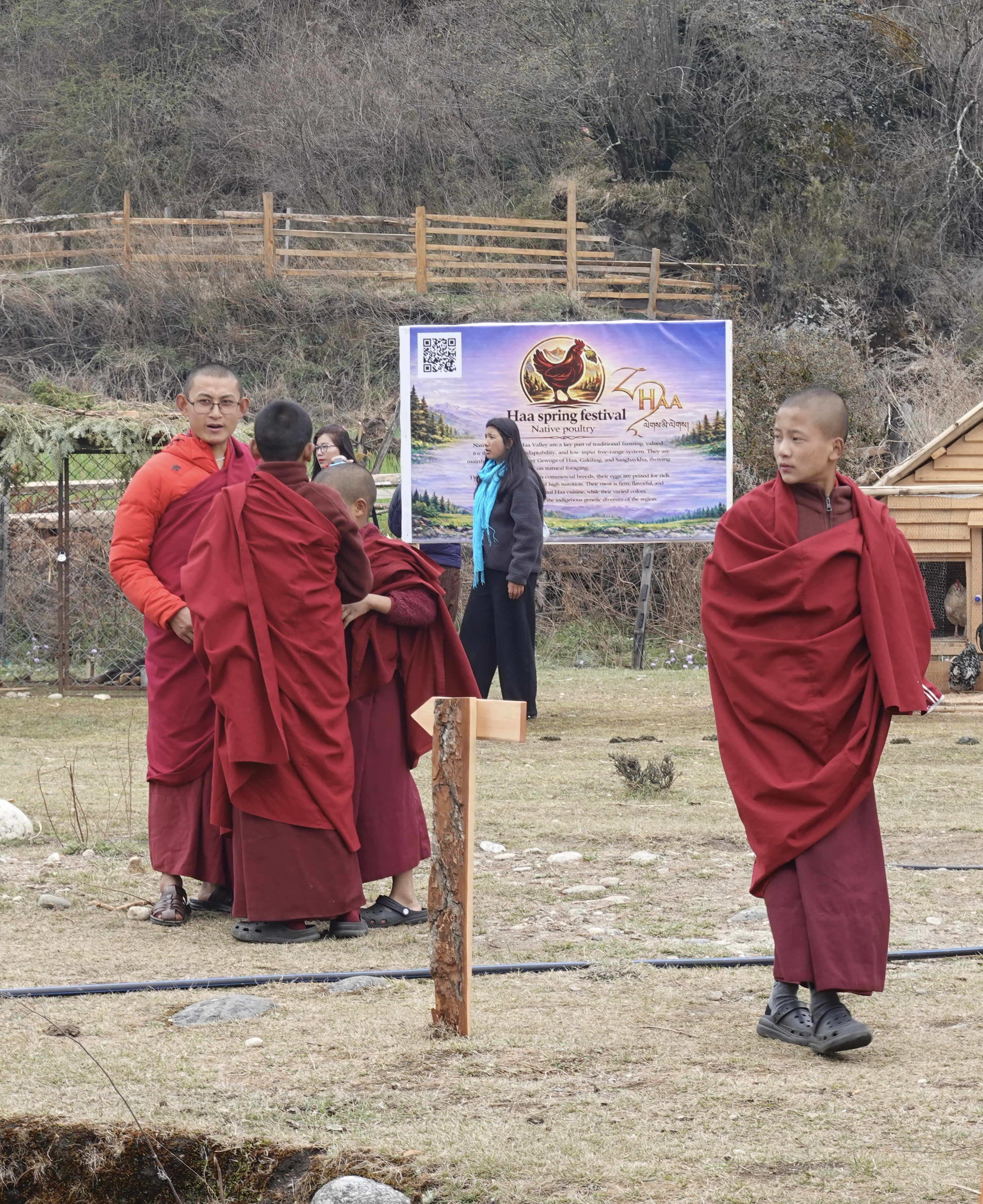
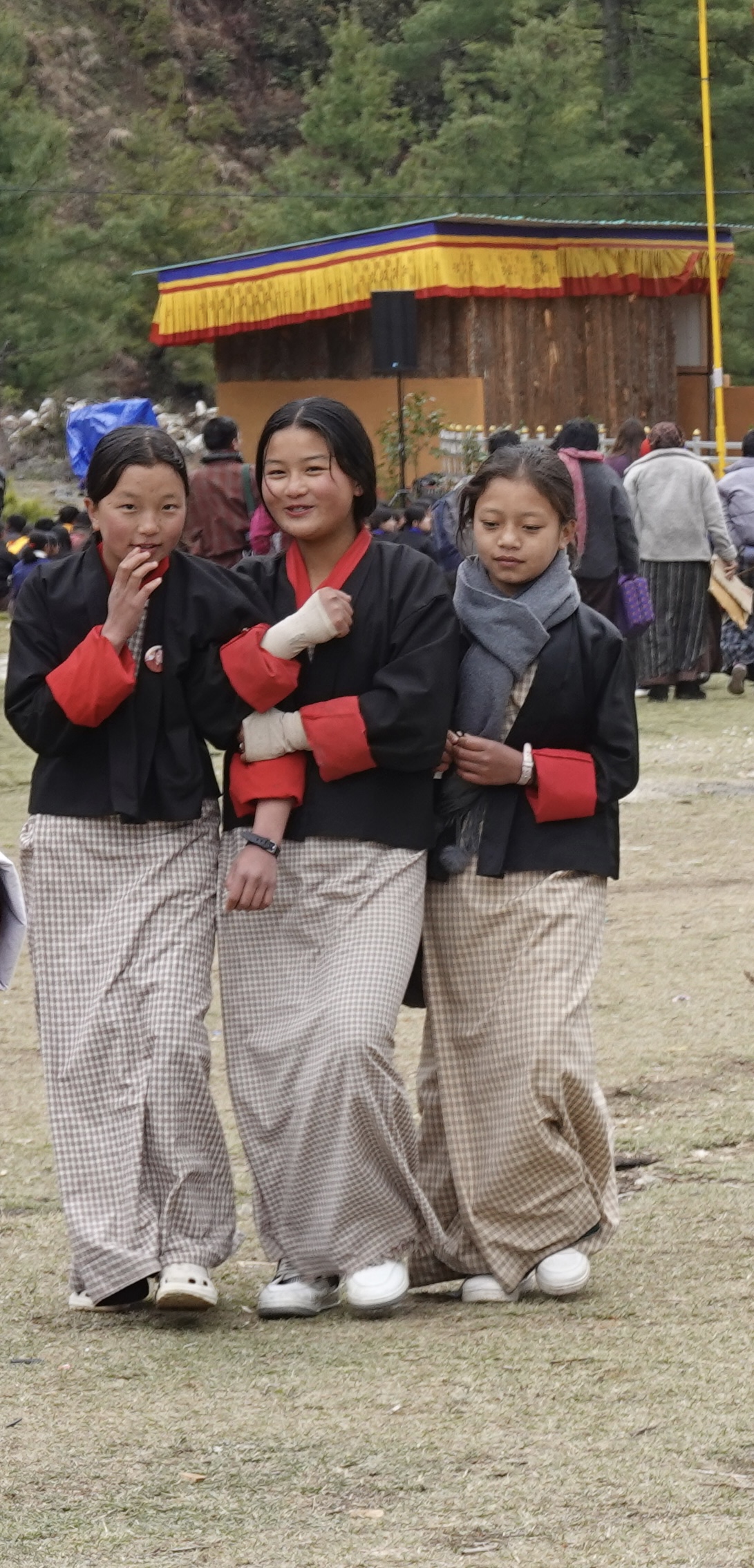
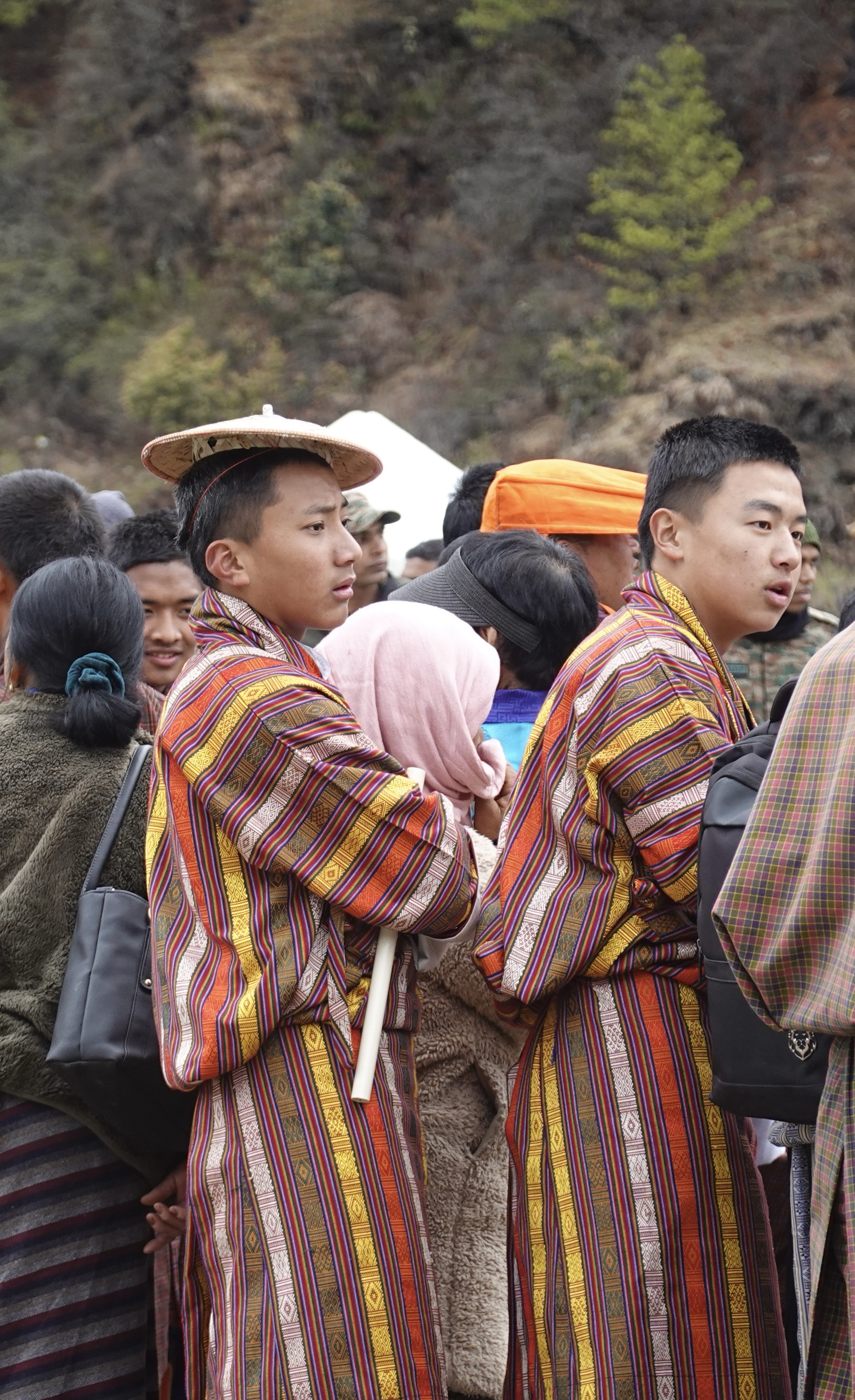
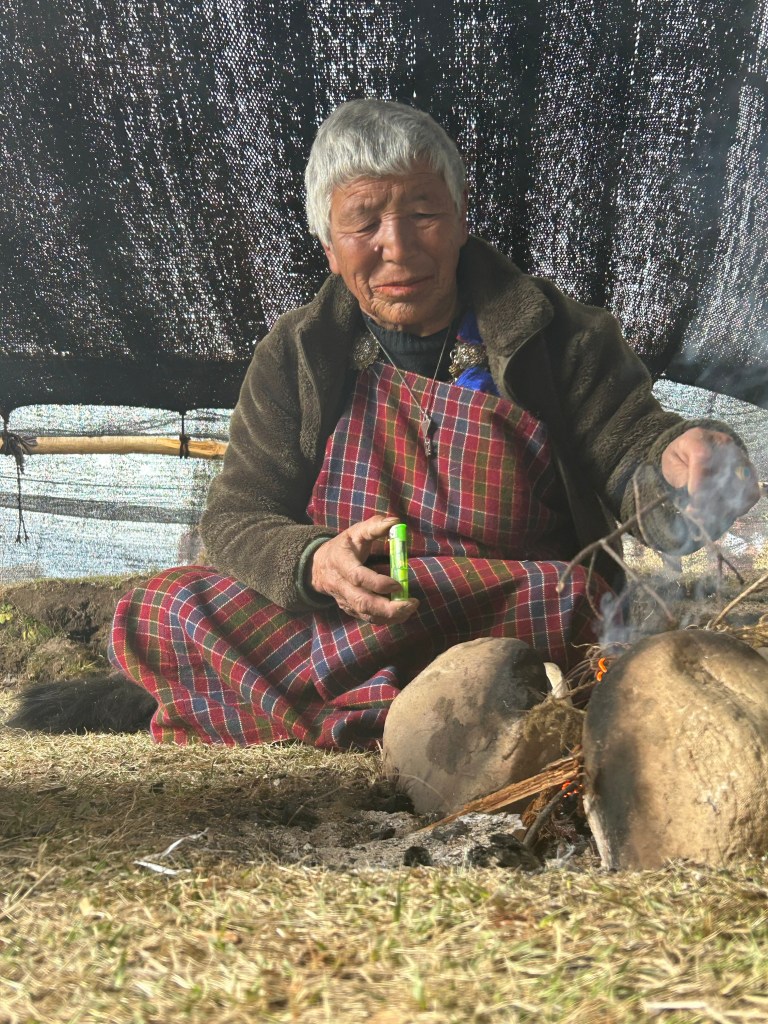
But the bigger charm was the reason we came – the Haa Spring Festival! This was not a formal religious dance festival like the one we went to in Paro. Instead, it was more like a fall fair, with people coming in from villages up and down the valley and putting on singing and dancing on the big stage and setting up food stalls in both wooden huts scattered about the grounds and in yurt-like tents that they brought in from the higher valleys where they herd their yaks. And there were animals, if you count indolent dogs lying sleeping among the crowds and a few cows strolling through in that contentedly confused way that cows do. We zeroed in on a traditional buckwheat momo place, and sat in a hut behind the cooking pots on low benches covered in rugs and had momos and hot black tea. The dough for these things is not rolled like a traditional dumpling but instead laboriously hand shaped from a lump. We also went into a yurt to see people making a kind of soft cheese cooked with sugar and butter and, despite the obvious analogy to not watching how sausages are made, we ordered some and were ushered into the yurt next door to sit on rugs on the ground and eat while the eatery’s grandmother lit a little fire. And we ventured into a booth about modernizing agricultural practices and, despite lacking most of the attributes of the target audience, were told more about yak herding and yak wool gathering and the many uses of yak wool than could have been predicted. And we just watched the groups of attendees in their traditional dress and sometimes untraditional hats and soaked it all up.
 bengalbhutanblog.ca
Leave a comment